THE ADVENTURE COLLECTIVE® · Independent discovery and booking for outdoor travel

Spend a day between cool mountain streams and centuries-old kilns: a private tour from Xiamen that pairs a nature walk to Daixian Waterfall with a deep dive into Dehua’s famed blanc de chine ceramics. Expect hands-on cultural insight and easy hiking.
Spend a day between cool mountain streams and centuries-old kilns: a private tour from Xiamen that pairs a nature walk to Daixian Waterfall with a deep dive into Dehua’s famed blanc de chine ceramics. Expect hands-on cultural insight and easy hiking.
You step off the minivan onto a narrow county road and the hill air feels different — cooler, damp, threaded with bamboo that leans like rows of green oars. Ahead, the Daixian Waterfall announces itself before you see it: a steady roar that quickens the pace. Granite ledges channel the stream into a series of polished steps; water dares you closer and the spray sketches cool patterns on your skin.
Verified experiences and guided adventures in the surrounding area.
Operated by China Memory Trip · Dehua, Fujian
You step off the minivan onto a narrow county road and the hill air feels different — cooler, damp, threaded with bamboo that leans like rows of green oars. Ahead, the Daixian Waterfall announces itself before you see it: a steady roar that quickens the pace. Granite ledges channel the stream into a series of polished steps; water dares you closer and the spray sketches cool patterns on your skin.
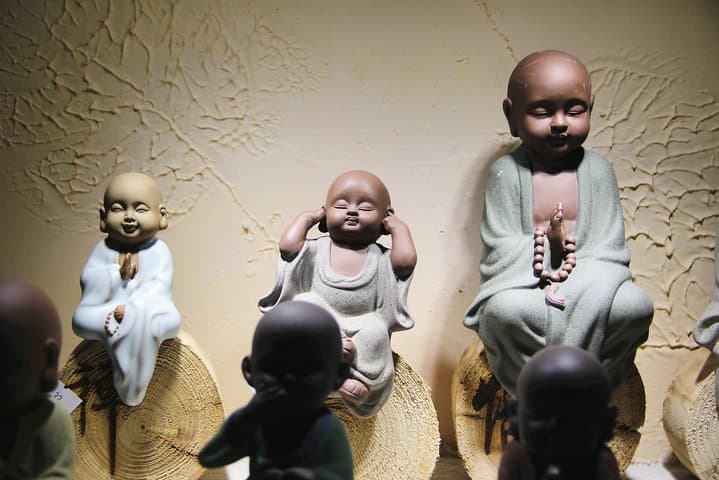
Dehua’s reputation is twofold: a high mountain forest that feeds clear streams, and a centuries-old ceramic tradition. The town is one of China’s Three Ceramics Capitals, and the Dehua “blanc de chine” kilns produced immaculate white wares from the Song Dynasty onward. Geologically, Fujian’s granitic backbone and abundant clay deposits created the conditions for both lush valleys and kiln-based craft. Culturally, local workshops continue time-honored molding and firing techniques alongside modern designs.
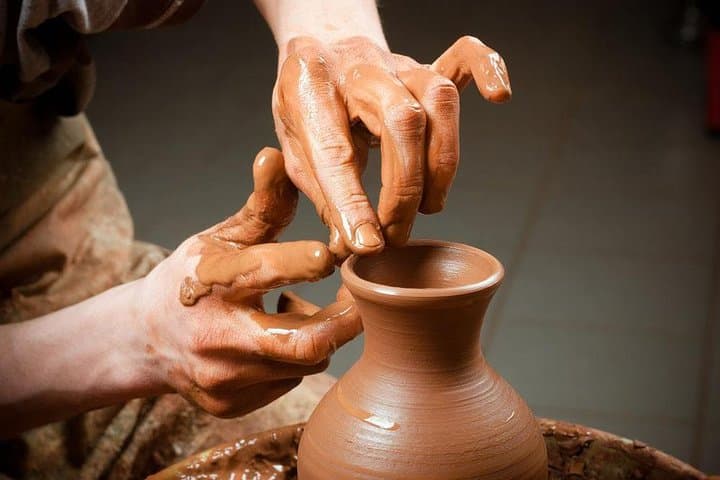
On a typical day tour from Xiamen you’ll split time between short forest walks to the falls and a hands-on ceramics museum visit where demonstrations trace the potter’s wheel to the finished glaze. Expect about nine hours total, hotel pickup, and a mix of paved and packed-earth walking.
Practical tips: wear grippy shoes for wet rock and bring water; the museum and small gift shop accept cash and cards, but small vendors may not. Aim for morning departure to avoid mid-day haze and to see the waterfall with stronger flow after spring rains. Leave no trace at the waterfall — staying on established paths helps protect Dehua’s 77% forest cover and the local craft communities that depend on the land.
easy.
8–9 hours.
Suitable for most fitness levels; expect several short walks on uneven terrain and steps at the waterfall.
The full-day private tour is about nine hours and typically includes hotel pickup/drop-off, private transport, an English-speaking guide, entrance to the museum, and access to the Daixian Waterfall area.
No — the route involves short walks and some steps; uneven, sometimes wet surfaces mean sensible shoes are recommended, but it’s suitable for most people.
The museum offers demonstrations and some hands-on experiences vary by operator; check at booking if a wheel session is required or available.
There are basic facilities at the museum and small eateries or stalls in Dehua town; bring snacks if you prefer specific dietary needs and inform the operator ahead if vegetarian options are required.
Dehua’s white porcelain, known as blanc de chine, has been produced since the Song Dynasty and the county remains a key center for traditional kilns and contemporary ceramic art.
With roughly 77% forest cover, Dehua relies on responsible tourism—stick to trails, avoid disturbing wildlife, and support local studios that source clay responsibly.
China Memory Trip operates guided outdoor trips and adventures with an emphasis on safety, stewardship, and memorable experiences.
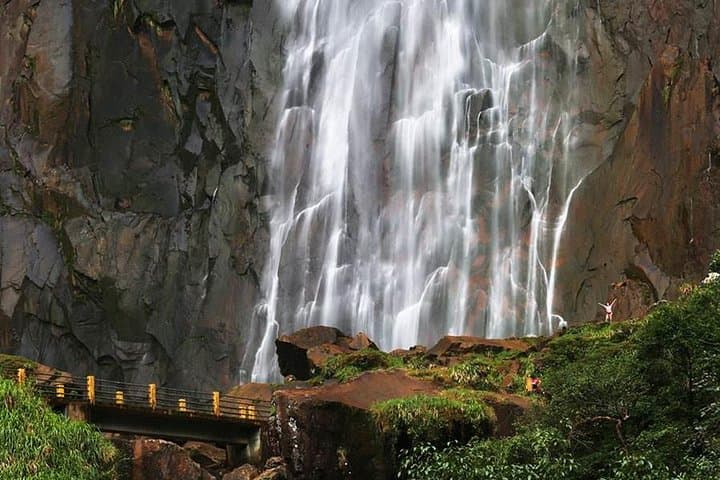
You step off the minivan onto a narrow county road and the hill air feels different — cooler, damp, threaded with bamboo that leans like rows of green oars. Ahead, the Daixian Waterfall announces itself before you see it: a steady roar that quickens the pace. Granite ledges channel the stream into a series of polished steps; water dares you closer and the spray sketches cool patterns on your skin.
You step off the minivan onto a narrow county road and the hill air feels different — cooler, damp, threaded with bamboo that leans like rows of green oars. Ahead, the Daixian Waterfall announces itself before you see it: a steady roar that quickens the pace. Granite ledges channel the stream into a series of polished steps; water dares you closer and the spray sketches cool patterns on your skin.
Dehua’s reputation is twofold: a high mountain forest that feeds clear streams, and a centuries-old ceramic tradition. The town is one of China’s Three Ceramics Capitals, and the Dehua “blanc de chine” kilns produced immaculate white wares from the Song Dynasty onward. Geologically, Fujian’s granitic backbone and abundant clay deposits created the conditions for both lush valleys and kiln-based craft. Culturally, local workshops continue time-honored molding and firing techniques alongside modern designs.
On a typical day tour from Xiamen you’ll split time between short forest walks to the falls and a hands-on ceramics museum visit where demonstrations trace the potter’s wheel to the finished glaze. Expect about nine hours total, hotel pickup, and a mix of paved and packed-earth walking.
Practical tips: wear grippy shoes for wet rock and bring water; the museum and small gift shop accept cash and cards, but small vendors may not. Aim for morning departure to avoid mid-day haze and to see the waterfall with stronger flow after spring rains. Leave no trace at the waterfall — staying on established paths helps protect Dehua’s 77% forest cover and the local craft communities that depend on the land.