THE ADVENTURE COLLECTIVE® · Independent discovery and booking for outdoor travel

Step into a private rainforest river at night and follow a guided 2 km wade upstream to meet frogs, nocturnal birds, and quiet mammals. This two-hour hike near Puerto Jimenez combines close-up wildlife viewing with wet‑feet adventure—plan for slippery rocks, headlamps, and a high level of fitness.
Step into a private rainforest river at night and follow a guided 2 km wade upstream to meet frogs, nocturnal birds, and quiet mammals. This two-hour hike near Puerto Jimenez combines close-up wildlife viewing with wet‑feet adventure—plan for slippery rocks, headlamps, and a high level of fitness.
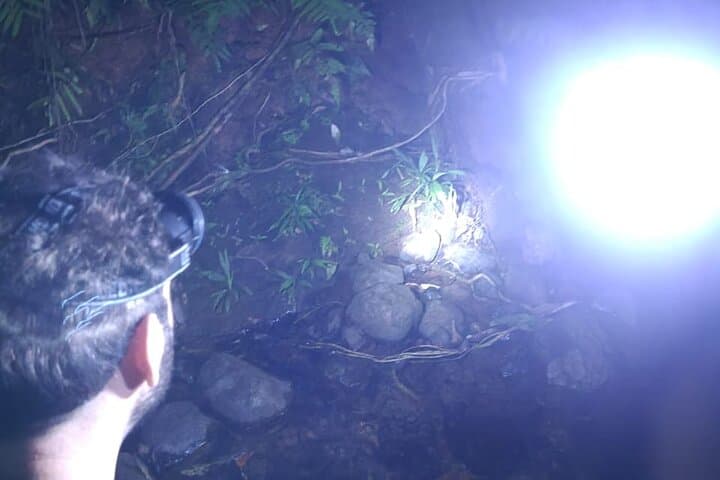
Headlamps carve thin rivers of light through hanging vines as you step into ankle‑to‑knee water and let the river carry the first footsteps. The jungle closes behind you; frogs become a chorus, a metallic rustle hints at a climbing mammal, and the river dares you to keep moving upstream toward wildlife that only shows itself after dusk.
Verified experiences and guided adventures in the surrounding area.
Operated by Cascadas Corcovado · Puerto Jimenez, Puntarenas
Headlamps carve thin rivers of light through hanging vines as you step into ankle‑to‑knee water and let the river carry the first footsteps. The jungle closes behind you; frogs become a chorus, a metallic rustle hints at a climbing mammal, and the river dares you to keep moving upstream toward wildlife that only shows itself after dusk.
This stretch of rainforest on the Osa Peninsula sits on ancient volcanic and sedimentary soils where steep, quick-draining slopes feed narrow, fast rivers. Indigenous peoples and small coastal settlements have long read the land by tides and trails; today private reserves protect corridors leading to larger public parks like Corcovado. The cultural rhythm here is slow: guides pass knowledge of frog calls, snake posture, and night birds by voice and light, not by signboards.
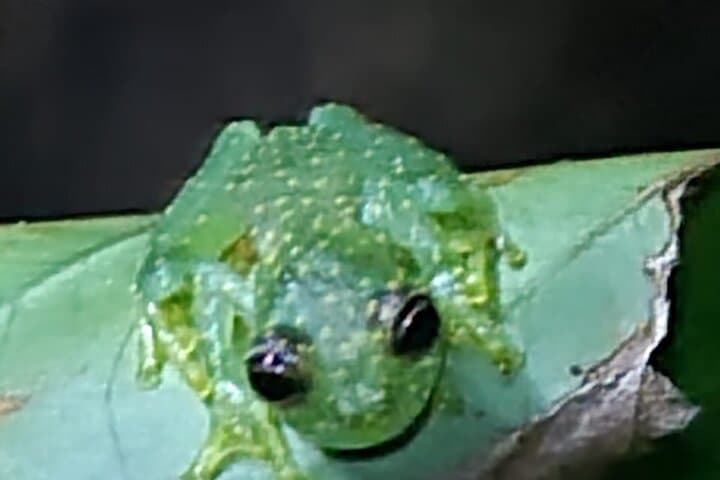
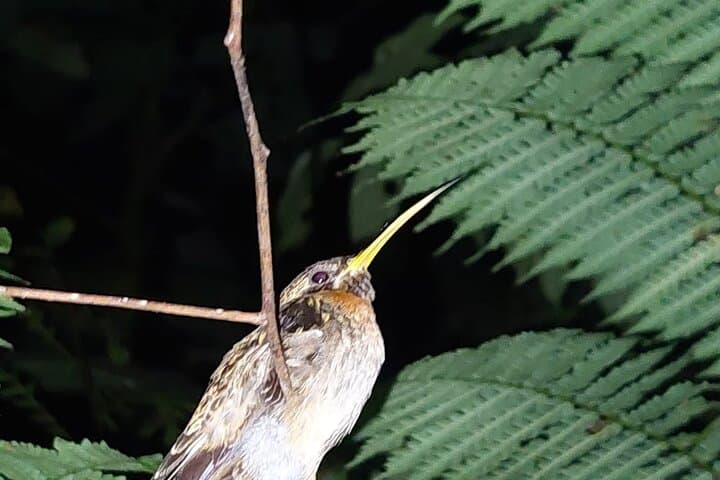
Expect about 2 km upriver wading followed by a short trail return in roughly a two-hour window. The terrain alternates soft riverbed, submerged roots, and slick rocks; currents are usually mild but unpredictable after heavy rain. Night insects and amphibians are the show—glass frogs, tree frogs, and nocturnal birds—while reptiles and small mammals may pause at the water’s edge.
Practically: wear sturdy water sandals or shoes with grip, bring a reliable headlamp, and waterproof a small pack. Travel light to stay agile; keep hands free for balance. Guides limit group size and provide flashlights and sticks, but personal comfort with wet, uneven ground and low-light navigation is essential. Leave no trace: stick to the guide’s path, avoid flashlight glare into animal eyes, and silence phones to preserve the forest’s nightscape.
challenging.
2 hours.
Should be in good cardiovascular shape, comfortable with river wading, balance on uneven slippery terrain, and walking at night.
Yes—the route includes walking in the river at ankle to knee depth for about 2 km; expect wet legs and pack contents unless stored in a dry bag.
No; the activity is not recommended for pregnant travelers or anyone with spinal or serious cardiovascular conditions, and children should be strong, steady walkers.
Tours may be cancelled for heavy rain or unsafe river conditions; the provider typically requires 24-hour cancellation for a full refund.
Flashlights or headlamps are recommended; guides provide basic lighting but a personal headlamp improves safety and comfort.
Private reserves on the Osa Peninsula were established by local land stewards to protect corridors between coastal settlements and Corcovado, preserving both biodiversity and traditional uses of the land.
Tours keep groups small and limit trail impact; visitors should follow guide instructions, avoid touching wildlife, and pack out all waste to reduce disturbance.
Cascadas Corcovado operates guided outdoor trips and adventures with an emphasis on safety, stewardship, and memorable experiences.
Headlamps carve thin rivers of light through hanging vines as you step into ankle‑to‑knee water and let the river carry the first footsteps. The jungle closes behind you; frogs become a chorus, a metallic rustle hints at a climbing mammal, and the river dares you to keep moving upstream toward wildlife that only shows itself after dusk.
Headlamps carve thin rivers of light through hanging vines as you step into ankle‑to‑knee water and let the river carry the first footsteps. The jungle closes behind you; frogs become a chorus, a metallic rustle hints at a climbing mammal, and the river dares you to keep moving upstream toward wildlife that only shows itself after dusk.
This stretch of rainforest on the Osa Peninsula sits on ancient volcanic and sedimentary soils where steep, quick-draining slopes feed narrow, fast rivers. Indigenous peoples and small coastal settlements have long read the land by tides and trails; today private reserves protect corridors leading to larger public parks like Corcovado. The cultural rhythm here is slow: guides pass knowledge of frog calls, snake posture, and night birds by voice and light, not by signboards.
Expect about 2 km upriver wading followed by a short trail return in roughly a two-hour window. The terrain alternates soft riverbed, submerged roots, and slick rocks; currents are usually mild but unpredictable after heavy rain. Night insects and amphibians are the show—glass frogs, tree frogs, and nocturnal birds—while reptiles and small mammals may pause at the water’s edge.
Practically: wear sturdy water sandals or shoes with grip, bring a reliable headlamp, and waterproof a small pack. Travel light to stay agile; keep hands free for balance. Guides limit group size and provide flashlights and sticks, but personal comfort with wet, uneven ground and low-light navigation is essential. Leave no trace: stick to the guide’s path, avoid flashlight glare into animal eyes, and silence phones to preserve the forest’s nightscape.