THE ADVENTURE COLLECTIVE® · Independent discovery and booking for outdoor travel

Build on open-water skills with a three-dive deep diving specialty that extends your certified dives to 40m. Operated from Tutukaka with instructor-led theory, practical drills and equipment hire included, this course opens access to steep reefs and wrecks.
Build on open-water skills with a three-dive deep diving specialty that extends your certified dives to 40m. Operated from Tutukaka with instructor-led theory, practical drills and equipment hire included, this course opens access to steep reefs and wrecks.
You step onto the charter at first light, salt on your lips and the boat cutting a clean line through the Pacific as the coastline slips aft. The sea here feels deliberate — a deep blue that invites and warns in the same breath. By the time the instructor runs through the day’s plan, the reef walls and pinnacles of the Poor Knights country are already waiting below, their shadows promising the kind of vertical terrain that defines deep diving.
Verified experiences and guided adventures in the surrounding area.
Operated by New Zealand Diving Ltd · Tutukaka, Northland
You step onto the charter at first light, salt on your lips and the boat cutting a clean line through the Pacific as the coastline slips aft. The sea here feels deliberate — a deep blue that invites and warns in the same breath. By the time the instructor runs through the day’s plan, the reef walls and pinnacles of the Poor Knights country are already waiting below, their shadows promising the kind of vertical terrain that defines deep diving.
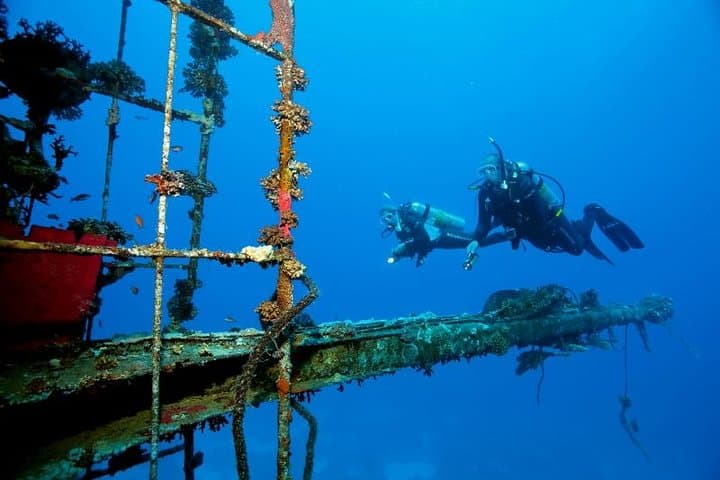
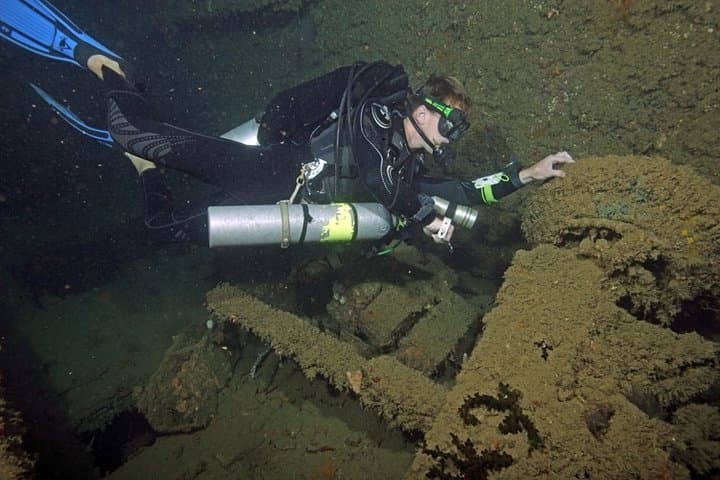
The dive sites off Tutukaka sit on old volcanic structures and steep submarine cliffs; currents sculpt caves and arches that draw curious fish and schooling predators. The area’s rich kelp forests and sponge gardens create vertical gardens that shift with the light, and wrecks like the Waikato add human history to a geological story shaped over millions of years. Local dive culture values respect for these systems: buoyancy control, low-impact finning and careful navigation are standard practice.
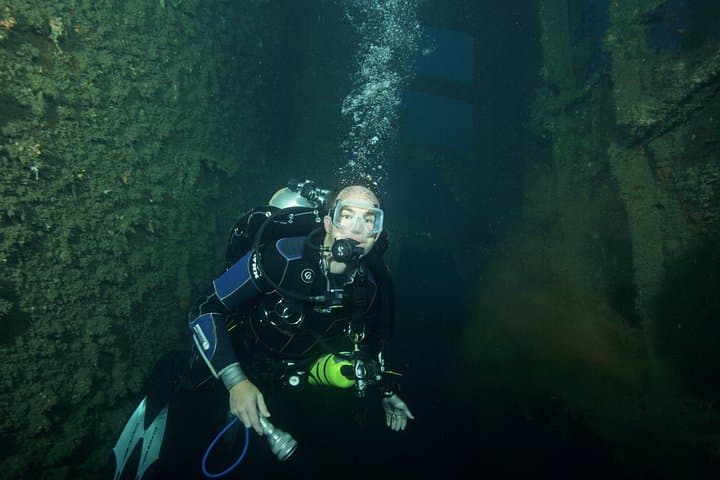
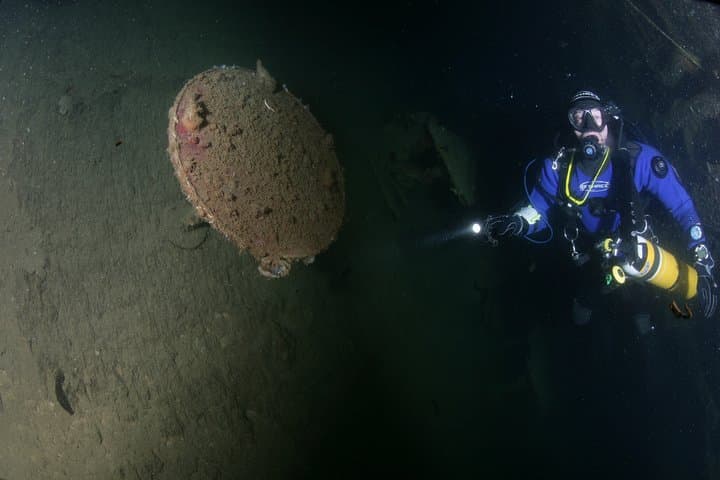
This three-dive specialty combines classroom theory with practical open-water skills to extend certified divers’ range to 40m. Expect focused drills on gas planning, accelerated ascent and decompression awareness, use of a dive computer, and staged safety stops. The operator supplies scuba gear and an instructor; dives typically run from an early-morning rendezvous at the shop or Tutukaka boat ramp.
Practical prep makes the day smoother: sharpen equalization techniques, carry a dive computer and surface signaling device, and be ready for cooler water temps that may require a thicker suit. Fitness should be moderate—this course demands concentration, controlled breathing and the ability to manage heavier gas loads. When you surface, the ocean will feel alive and, properly respected, eager to reveal deeper chapters of itself.
challenging.
8–10 hours.
Moderate to fit: you should be comfortable making multiple dives, managing heavier gear and following precise safety procedures.
Yes—the program is for certified divers only; you must present your certification card and typically have recent logged dives.
The course teaches planning and skills for dives beyond 18m up to a maximum of 40m, including safety stops and gas management.
The operator includes use of scuba equipment in the booking, but many divers bring personal masks and computers for fit and familiarity.
Meeting is usually around 8–8:30am at the dive shop or 9:15am at Tutukaka boat ramp for specific charters; note the activity’s policy states all sales are final with no refunds.
The Poor Knights area sits on ancient volcanic structures and has long been a focus for local fishing and recreational diving communities.
The region is managed with strong dive stewardship—practices like no‑touch rules and proper buoyancy are emphasized to protect delicate reef life.
New Zealand Diving Ltd operates guided outdoor trips and adventures with an emphasis on safety, stewardship, and memorable experiences.
You step onto the charter at first light, salt on your lips and the boat cutting a clean line through the Pacific as the coastline slips aft. The sea here feels deliberate — a deep blue that invites and warns in the same breath. By the time the instructor runs through the day’s plan, the reef walls and pinnacles of the Poor Knights country are already waiting below, their shadows promising the kind of vertical terrain that defines deep diving.
You step onto the charter at first light, salt on your lips and the boat cutting a clean line through the Pacific as the coastline slips aft. The sea here feels deliberate — a deep blue that invites and warns in the same breath. By the time the instructor runs through the day’s plan, the reef walls and pinnacles of the Poor Knights country are already waiting below, their shadows promising the kind of vertical terrain that defines deep diving.
The dive sites off Tutukaka sit on old volcanic structures and steep submarine cliffs; currents sculpt caves and arches that draw curious fish and schooling predators. The area’s rich kelp forests and sponge gardens create vertical gardens that shift with the light, and wrecks like the Waikato add human history to a geological story shaped over millions of years. Local dive culture values respect for these systems: buoyancy control, low-impact finning and careful navigation are standard practice.
This three-dive specialty combines classroom theory with practical open-water skills to extend certified divers’ range to 40m. Expect focused drills on gas planning, accelerated ascent and decompression awareness, use of a dive computer, and staged safety stops. The operator supplies scuba gear and an instructor; dives typically run from an early-morning rendezvous at the shop or Tutukaka boat ramp.
Practical prep makes the day smoother: sharpen equalization techniques, carry a dive computer and surface signaling device, and be ready for cooler water temps that may require a thicker suit. Fitness should be moderate—this course demands concentration, controlled breathing and the ability to manage heavier gas loads. When you surface, the ocean will feel alive and, properly respected, eager to reveal deeper chapters of itself.