THE ADVENTURE COLLECTIVE® · Independent discovery and booking for outdoor travel

Head upriver from Iquitos into a hands-on Amazon program that teaches traditional hunting, shelter and survival skills. Expect dugout canoe travel, primitive craftwork, and multi-day jungle camping led by local guides.
Head upriver from Iquitos into a hands-on Amazon program that teaches traditional hunting, shelter and survival skills. Expect dugout canoe travel, primitive craftwork, and multi-day jungle camping led by local guides.
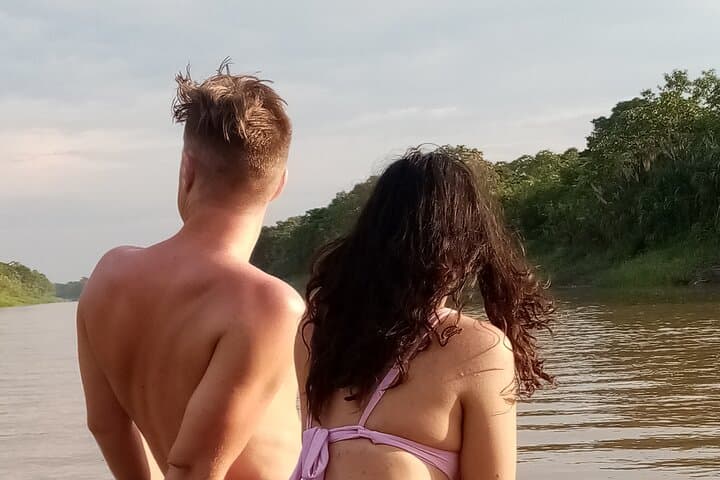
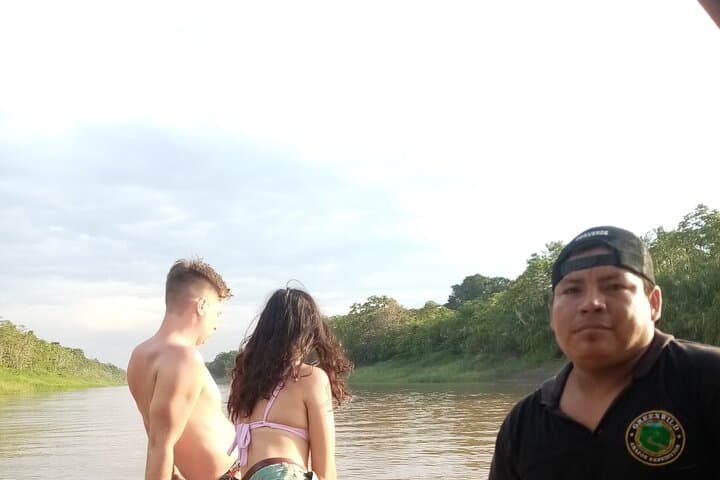
You push away from Iquitos before sunrise and the river swallows the city sounds. The motor hums, the channel narrows, and within hours green walls close in. Currents nudge the boat, and a dugout canoe becomes the only way forward — the jungle seems to breathe around you, masking footsteps and scent.
Verified experiences and guided adventures in the surrounding area.
Operated by Green Wild Amazon Expedition · Iquitos, Loreto
You push away from Iquitos before sunrise and the river swallows the city sounds. The motor hums, the channel narrows, and within hours green walls close in. Currents nudge the boat, and a dugout canoe becomes the only way forward — the jungle seems to breathe around you, masking footsteps and scent.
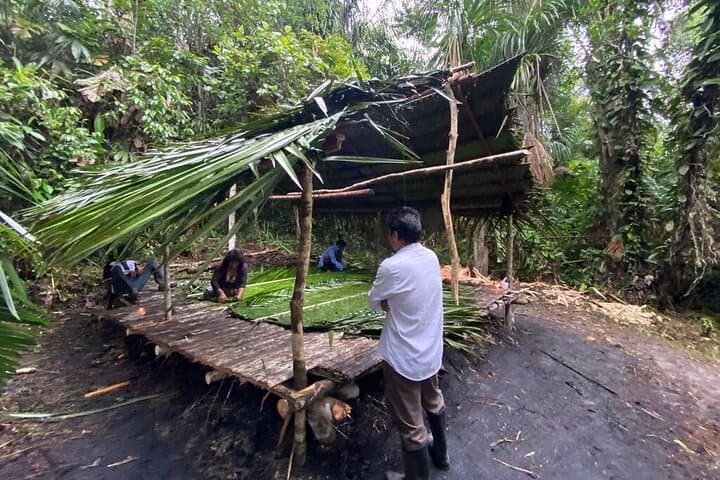
The Amazon here is a living record: recent alluvial deposits built the floodplain, and alternating blackwater and whitewater tributaries shape where fish and plants thrive. Indigenous families have read these rhythms for generations; the course teaches practical survival skills used for food, shelter, and navigation. On this expedition you’ll learn to craft bows and blowguns, build resin-sealed shelters, forage safely, and move quietly so wildlife doesn’t detect you.
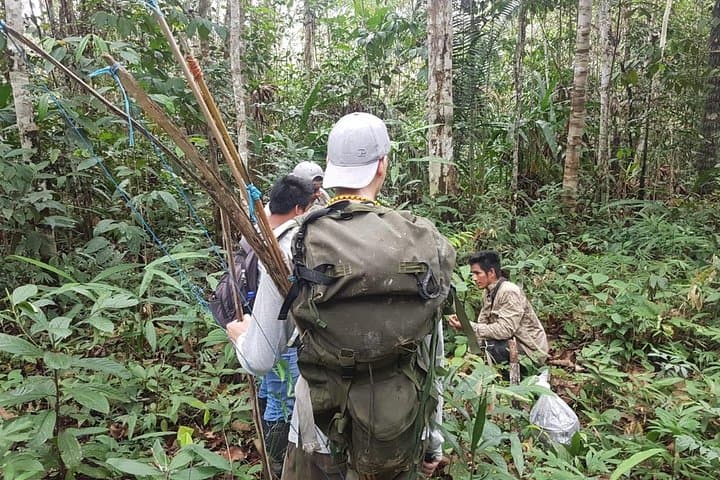
Expect dense understory, root-strewn trails and river travel in small craft. Guides demonstrate low-impact techniques and traditional paints that help mask human scent and repel insects. Nights are spent in simple camps or shelters under tarps with the chorus of frogs and insects as company.
Practical notes: this program is physically demanding — expect long days of hiking, paddling and working with natural materials. Bring durable footwear, layered quick-dry clothing, reliable insect protection, and water treatment. Vaccinations and antimalarial advice are recommended; guides provide instruction, but you should arrive fit and prepared for basic backcountry conditions. Time your travel for the region’s lower-water months if you prefer more walking and less paddling.
challenging.
Approximately 10 days (itinerary varies and can extend up to 12 days).
High level of fitness; expect full days of paddling, trekking on uneven terrain, lifting and manual craft work.
After a short boat transfer from Iquitos you travel several hours upriver then switch to dugout canoes; most camps are deep enough to feel remote from permanent settlements.
Meals (breakfast, lunch and most dinners) are provided; the booking process asks about dietary restrictions — notify organizers in advance but expect simple, local fare.
Consult a travel clinic: routine vaccines, yellow fever vaccination if required, and antimalarial prophylaxis are commonly recommended for the Peruvian Amazon.
No formal experience required, but participants should be fit and comfortable with long days outdoors; guides teach practical skills on-site.
The region has long been home to Amazonian indigenous groups whose river-based lifeways and craft knowledge shaped how people hunt, fish and move through the floodplain.
The floodplain ecosystem is fragile — stick to trails, avoid plastic waste, and follow guide instructions to minimize impact and protect wildlife.
Green Wild Amazon Expedition operates guided outdoor trips and adventures with an emphasis on safety, stewardship, and memorable experiences.
You push away from Iquitos before sunrise and the river swallows the city sounds. The motor hums, the channel narrows, and within hours green walls close in. Currents nudge the boat, and a dugout canoe becomes the only way forward — the jungle seems to breathe around you, masking footsteps and scent.
You push away from Iquitos before sunrise and the river swallows the city sounds. The motor hums, the channel narrows, and within hours green walls close in. Currents nudge the boat, and a dugout canoe becomes the only way forward — the jungle seems to breathe around you, masking footsteps and scent.
The Amazon here is a living record: recent alluvial deposits built the floodplain, and alternating blackwater and whitewater tributaries shape where fish and plants thrive. Indigenous families have read these rhythms for generations; the course teaches practical survival skills used for food, shelter, and navigation. On this expedition you’ll learn to craft bows and blowguns, build resin-sealed shelters, forage safely, and move quietly so wildlife doesn’t detect you.
Expect dense understory, root-strewn trails and river travel in small craft. Guides demonstrate low-impact techniques and traditional paints that help mask human scent and repel insects. Nights are spent in simple camps or shelters under tarps with the chorus of frogs and insects as company.
Practical notes: this program is physically demanding — expect long days of hiking, paddling and working with natural materials. Bring durable footwear, layered quick-dry clothing, reliable insect protection, and water treatment. Vaccinations and antimalarial advice are recommended; guides provide instruction, but you should arrive fit and prepared for basic backcountry conditions. Time your travel for the region’s lower-water months if you prefer more walking and less paddling.