THE ADVENTURE COLLECTIVE® · Independent discovery and booking for outdoor travel

Walk Chongqing from the Great Hall to the Yangtze River Cableway on a single, vertically layered route. This guided urban hike pairs steep stone streets, Republican-era architecture, and river views with local hotpot culture.
Walk Chongqing from the Great Hall to the Yangtze River Cableway on a single, vertically layered route. This guided urban hike pairs steep stone streets, Republican-era architecture, and river views with local hotpot culture.
The city rises like a stepped amphitheater—stone lanes climbing out of river fog, neon catching on wet tiles, and the Yangtze daring you to look down from the cableway. Start at the Great Hall’s golden dome, the city’s mid-century pulse, and move through plane-tree-lined People's Road into the smoke-scented alleys of Qixinggang. Each stair and slope feels intentional: Chongqing is an urban hill that pushes you forward.
Verified experiences and guided adventures in the surrounding area.
Operated by Marc's hiking trip · Chongqing, Chongqing
The city rises like a stepped amphitheater—stone lanes climbing out of river fog, neon catching on wet tiles, and the Yangtze daring you to look down from the cableway. Start at the Great Hall’s golden dome, the city’s mid-century pulse, and move through plane-tree-lined People's Road into the smoke-scented alleys of Qixinggang. Each stair and slope feels intentional: Chongqing is an urban hill that pushes you forward.
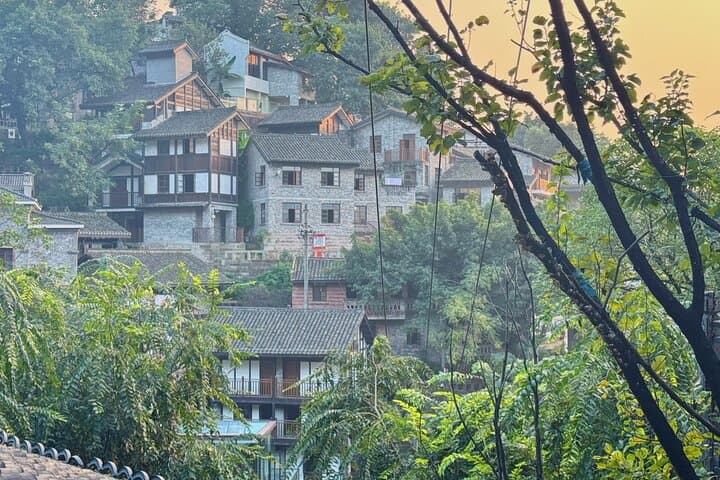
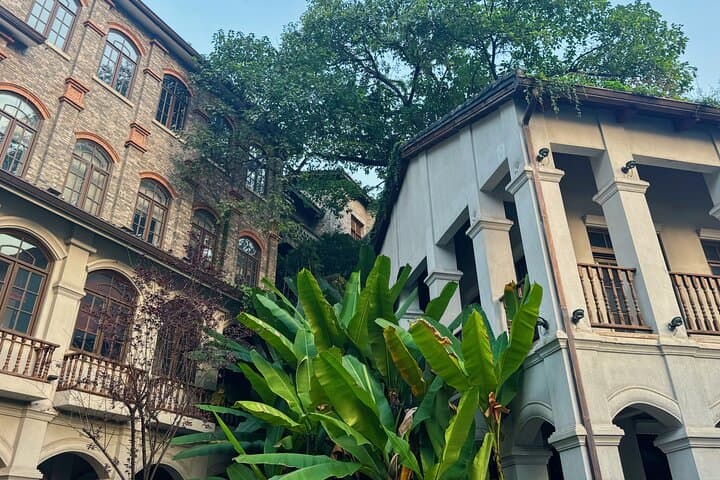
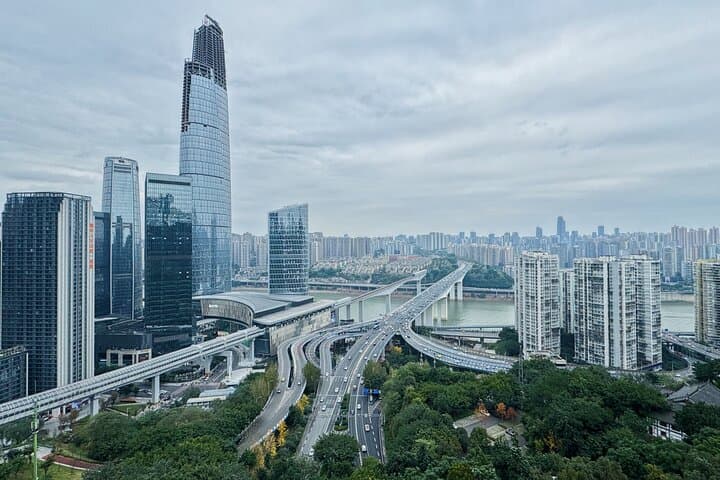
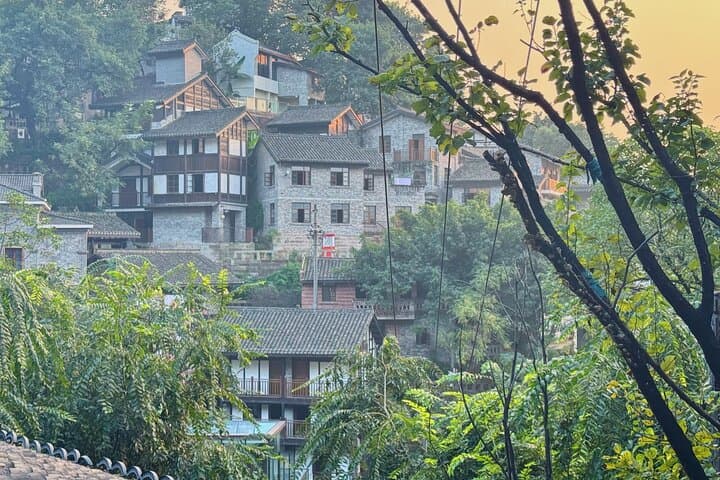
This route threads Republican-era shikumen, Ming and Qing masonry on Longmenhao, and modern high-rises at the river confluence. The Great Hall (built in the 1950s) anchors Communist-era civic pride; Liberation Monument marks wartime endurance and modern commercial life. Geologically, Chongqing sits on the upper Yangtze basin—steep banks and river terraces shape the city’s vertical transit and stair networks. Local culture is loud and edible: hotpot steam and chili oils hang heavy in markets and narrow lanes.
Expect 5–10 km of walking over mixed stone steps, paved pedestrian streets and short staircases, with several sustained uphill stretches and viewing platforms that reward effort with skyline panoramas. Bring water, steady footwear, and a charged phone—the cableway queues move fast but visibility across the two rivers can change with river mist. Midday is hot and spicy in more ways than one; mornings and late afternoons offer softer light for photos. Respect small businesses in old streets, follow pedestrian flow on stairways, and budget time for food—Chongqing’s heat and hospitality are part of the climb.
moderate.
7 hours.
Moderately fit: comfortable with continuous walking, stair climbing, and short uphill bursts.
The itinerary runs about 7 hours with mixed flat and steep sections; expect several stair climbs and 5–10 km of walking—moderate fitness is recommended.
The cableway ride is part of the route experience; access depends on operating hours and weather but is typically available and provides citywide river views.
The tour includes bottled water and snacks; full meals are not included so plan to stop at local restaurants for hotpot or noodles during the route.
Families can join but note the many stairs and slopes—participants with serious spinal or cardiovascular concerns are advised not to take the full route.
Chongqing’s built environment reflects layers: Ming and Qing street layouts, Republican-era shikumen, and mid-20th-century civic projects like the Great Hall that marked the city’s wartime and postwar significance.
Urban growth strains historic lanes—stay on marked paths, avoid graffiti removal, and support local shops to encourage preservation of old-street crafts.
Marc's hiking trip operates guided outdoor trips and adventures with an emphasis on safety, stewardship, and memorable experiences.
The city rises like a stepped amphitheater—stone lanes climbing out of river fog, neon catching on wet tiles, and the Yangtze daring you to look down from the cableway. Start at the Great Hall’s golden dome, the city’s mid-century pulse, and move through plane-tree-lined People's Road into the smoke-scented alleys of Qixinggang. Each stair and slope feels intentional: Chongqing is an urban hill that pushes you forward.
The city rises like a stepped amphitheater—stone lanes climbing out of river fog, neon catching on wet tiles, and the Yangtze daring you to look down from the cableway. Start at the Great Hall’s golden dome, the city’s mid-century pulse, and move through plane-tree-lined People's Road into the smoke-scented alleys of Qixinggang. Each stair and slope feels intentional: Chongqing is an urban hill that pushes you forward.
This route threads Republican-era shikumen, Ming and Qing masonry on Longmenhao, and modern high-rises at the river confluence. The Great Hall (built in the 1950s) anchors Communist-era civic pride; Liberation Monument marks wartime endurance and modern commercial life. Geologically, Chongqing sits on the upper Yangtze basin—steep banks and river terraces shape the city’s vertical transit and stair networks. Local culture is loud and edible: hotpot steam and chili oils hang heavy in markets and narrow lanes.
Expect 5–10 km of walking over mixed stone steps, paved pedestrian streets and short staircases, with several sustained uphill stretches and viewing platforms that reward effort with skyline panoramas. Bring water, steady footwear, and a charged phone—the cableway queues move fast but visibility across the two rivers can change with river mist. Midday is hot and spicy in more ways than one; mornings and late afternoons offer softer light for photos. Respect small businesses in old streets, follow pedestrian flow on stairways, and budget time for food—Chongqing’s heat and hospitality are part of the climb.