THE ADVENTURE COLLECTIVE® · Independent discovery and booking for outdoor travel

Spend a day in the Sacred Valley decoding centuries-old Andean textile traditions. This private, 8-hour workshop in a local community covers shearing, natural dyes, symbolism and a home-cooked lunch.
Spend a day in the Sacred Valley decoding centuries-old Andean textile traditions. This private, 8-hour workshop in a local community covers shearing, natural dyes, symbolism and a home-cooked lunch.
You arrive on a cool highland morning as mountain air pushes gently through the valley and the community of Amaru unfurls before you—stone courtyards, looped alpaca yarns, and the steady rhythm of foot-spun fibers. Local musicians welcome you with kantu flowers and flutes; the scent of boiling dye hangs warm, daring you closer.
Verified experiences and guided adventures in the surrounding area.
Operated by VIPAC Travel · Cusco, Cusco Region
You arrive on a cool highland morning as mountain air pushes gently through the valley and the community of Amaru unfurls before you—stone courtyards, looped alpaca yarns, and the steady rhythm of foot-spun fibers. Local musicians welcome you with kantu flowers and flutes; the scent of boiling dye hangs warm, daring you closer.
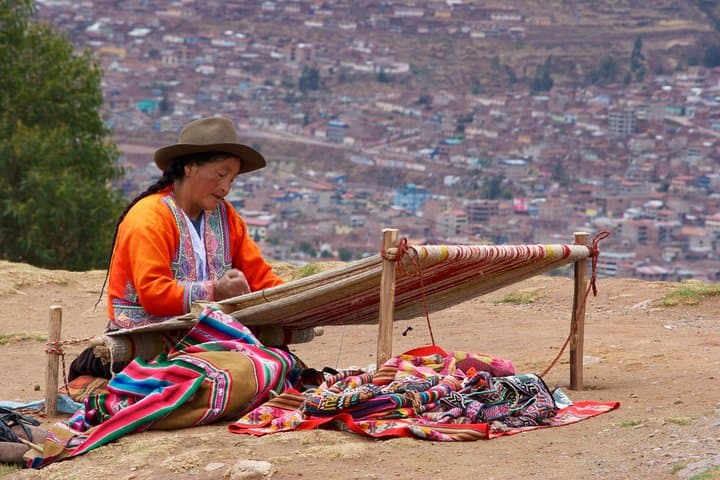
The Sacred Valley has been a weaving ground since pre-Inca and Inca times; textile patterns here encode lineage, farming cycles, and cosmology. Geologically, the valley is carved by the Urubamba River, its terraces clinging to volcanic and sedimentary slopes that create microclimates for the dye plants you’ll see. Culturally, weaving remains a living craft: motifs mean more than decoration—they record stories and medicinal knowledge passed down by yachaqs (traditional knowledge-keepers).
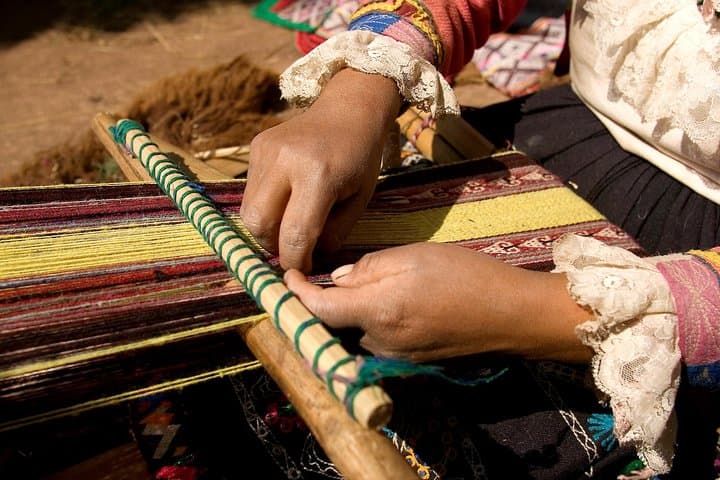
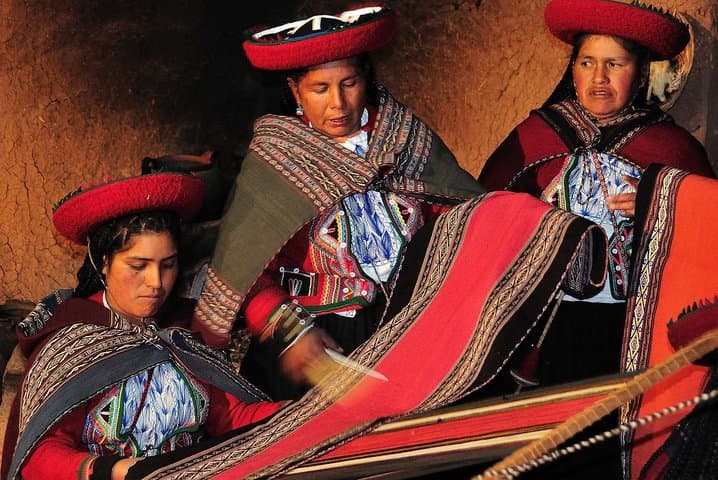
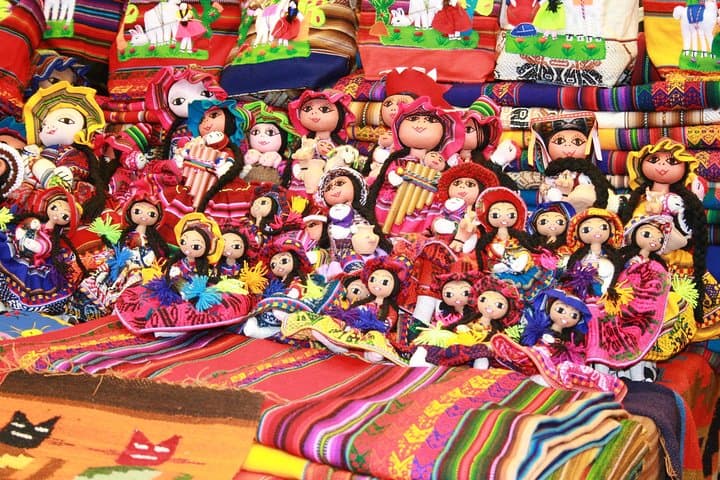
During the workshop you’ll watch shearing, cleaning and coiling, then the boiling vats where cochineal, indigo, and native plants yield color. A guide explains iconography—mountain creatures, crops and cosmological lines—and you’ll have time to shop handcrafted runners and belts directly from makers. Lunch is homestyle, locally sourced, and offers a taste of Quechua culinary tradition before a relaxed transfer back to your hotel.
Practical guidance: wear comfortable shoes for uneven stone surfaces, carry sun protection for high-altitude exposure, and budget time for photos and shopping. The tour is low-impact but culturally immersive—listen, ask about technique, and support artisans by buying locally produced pieces.
easy.
8 hours.
Suitable for light physical activity; mostly standing and short walks on uneven ground
This is an 8-hour private tour that includes hotel pick-up/drop-off, a community textile workshop, a guided explanation of dyes and iconography, a local lunch and time to shop.
The tour is family-friendly but involves uneven grounds and brief standing; infants must sit on laps and people with serious back or heart issues are advised to consult organizers.
Local guides and interpreters are included; English-speaking guides are typically available—confirm at booking if you need another language.
Yes—authentic, hand-made textiles are available for purchase; bring local currency and check for handmade labels and natural-dye descriptions.
Weaving in the Sacred Valley predates the Inca and was codified by Andean communities as a record-keeping and spiritual practice; motifs often mark family and agricultural identity.
Support sustainable craft by purchasing local, naturally dyed textiles and avoiding mass-produced imitations; respect workshop waste practices and avoid single-use plastics.
VIPAC Travel operates guided outdoor trips and adventures with an emphasis on safety, stewardship, and memorable experiences.
You arrive on a cool highland morning as mountain air pushes gently through the valley and the community of Amaru unfurls before you—stone courtyards, looped alpaca yarns, and the steady rhythm of foot-spun fibers. Local musicians welcome you with kantu flowers and flutes; the scent of boiling dye hangs warm, daring you closer.
You arrive on a cool highland morning as mountain air pushes gently through the valley and the community of Amaru unfurls before you—stone courtyards, looped alpaca yarns, and the steady rhythm of foot-spun fibers. Local musicians welcome you with kantu flowers and flutes; the scent of boiling dye hangs warm, daring you closer.
The Sacred Valley has been a weaving ground since pre-Inca and Inca times; textile patterns here encode lineage, farming cycles, and cosmology. Geologically, the valley is carved by the Urubamba River, its terraces clinging to volcanic and sedimentary slopes that create microclimates for the dye plants you’ll see. Culturally, weaving remains a living craft: motifs mean more than decoration—they record stories and medicinal knowledge passed down by yachaqs (traditional knowledge-keepers).
During the workshop you’ll watch shearing, cleaning and coiling, then the boiling vats where cochineal, indigo, and native plants yield color. A guide explains iconography—mountain creatures, crops and cosmological lines—and you’ll have time to shop handcrafted runners and belts directly from makers. Lunch is homestyle, locally sourced, and offers a taste of Quechua culinary tradition before a relaxed transfer back to your hotel.
Practical guidance: wear comfortable shoes for uneven stone surfaces, carry sun protection for high-altitude exposure, and budget time for photos and shopping. The tour is low-impact but culturally immersive—listen, ask about technique, and support artisans by buying locally produced pieces.