THE ADVENTURE COLLECTIVE® · Independent discovery and booking for outdoor travel

A full‑day outing from Addis Ababa to Debre Libanos and the 17th‑century Portuguese Bridge offers dramatic gorge views, a scenic waterfall and opportunities to spot gelada baboons. Expect cultural sites, short cliffside walks, and a moderate level of fitness.
A full‑day outing from Addis Ababa to Debre Libanos and the 17th‑century Portuguese Bridge offers dramatic gorge views, a scenic waterfall and opportunities to spot gelada baboons. Expect cultural sites, short cliffside walks, and a moderate level of fitness.
The morning light breaks over a cliff rim and the Jemma River gashes the uplands below — you step from an air-conditioned van onto a narrow trail and hear the gorge before you see it: water throwing itself from a 15th‑century stone span while gelada baboons patrol the cliffs like furtive residents.
Verified experiences and guided adventures in the surrounding area.
Operated by On the go Ethiopia Tours · Debre Libanos, Oromia
The morning light breaks over a cliff rim and the Jemma River gashes the uplands below — you step from an air-conditioned van onto a narrow trail and hear the gorge before you see it: water throwing itself from a 15th‑century stone span while gelada baboons patrol the cliffs like furtive residents.
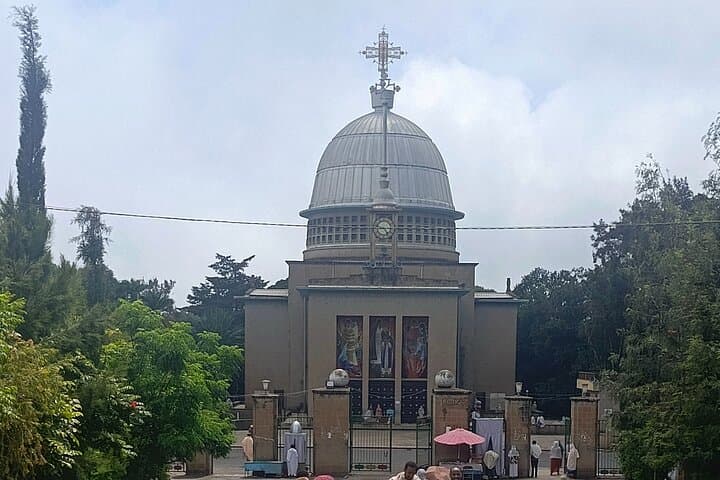
Debre Libanos is an ancient Ethiopian Orthodox monastic center founded by St. Teklehaimanot in the 13th century. The monastery and its museum hold liturgical manuscripts and stonework that speak to Ethiopia’s medieval Christian history; the nearby Portuguese Bridge dates from the later contact period and channels a waterfall into the Jemma (a Blue Nile tributary). Geologically the valley is carved into Tertiary trap and volcanic highlands, producing steep escarpments and fertile ridges where rural villages keep traditional thatch roofs and terraced fields.
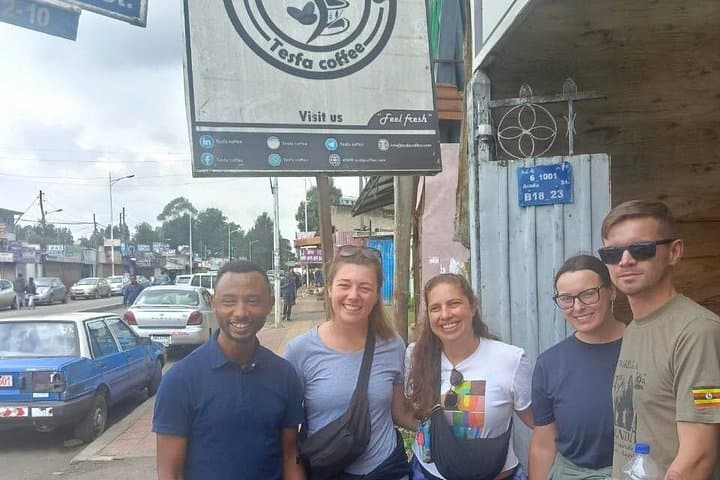
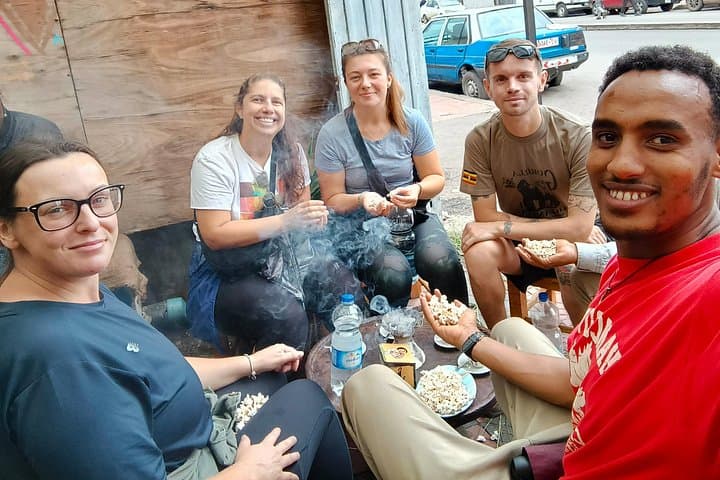
Culturally the route offers a quick immersion: roadside coffee stalls, roadside churches with local worship, and shepherds tending flocks on the hills. Wildlife viewers will scan for geladas and birds endemic to the Ethiopian highlands.
Practical guidance: plan for an 8‑hour round trip from Addis Ababa; bring sturdy shoes for uneven cliff paths, a sun hat for exposed viewpoints, and binoculars for wildlife. Photography is best in the morning light or late afternoon. The visit involves short walks with some steps and loose footing — moderate fitness and steady footing are recommended. Respect monastic spaces: modest dress, quiet photography, and following guide directions preserve both culture and safety.
moderate.
8 hours.
Moderate — able to stand and walk on uneven terrain for several short walks during the day
Expect roughly 1.5–2 hours each way depending on traffic and road conditions; the full tour runs about 8 hours including stops.
This tour’s inclusions note that fees and taxes are covered; confirm details with your operator at booking.
Short walks are family‑friendly but the cliffs and steps may be challenging for very young children or mobility‑limited travelers—supervision and care are advised.
Geladas are commonly seen on the cliffs around Debre Libanos, but sightings depend on time of day and season—early morning or late afternoon raises the odds.
Debre Libanos monastery was founded in the 13th century by St. Teklehaimanot and has been an important Ethiopian Orthodox site; the Portuguese Bridge dates to later cross‑cultural contact and frames a waterfall into the Jemma gorge.
The highland plateau is vulnerable to erosion from overgrazing; visitors should stick to trails, avoid feeding wildlife, and support local guides who practice low‑impact touring.
On the go Ethiopia Tours operates guided outdoor trips and adventures with an emphasis on safety, stewardship, and memorable experiences.
The morning light breaks over a cliff rim and the Jemma River gashes the uplands below — you step from an air-conditioned van onto a narrow trail and hear the gorge before you see it: water throwing itself from a 15th‑century stone span while gelada baboons patrol the cliffs like furtive residents.
The morning light breaks over a cliff rim and the Jemma River gashes the uplands below — you step from an air-conditioned van onto a narrow trail and hear the gorge before you see it: water throwing itself from a 15th‑century stone span while gelada baboons patrol the cliffs like furtive residents.
Debre Libanos is an ancient Ethiopian Orthodox monastic center founded by St. Teklehaimanot in the 13th century. The monastery and its museum hold liturgical manuscripts and stonework that speak to Ethiopia’s medieval Christian history; the nearby Portuguese Bridge dates from the later contact period and channels a waterfall into the Jemma (a Blue Nile tributary). Geologically the valley is carved into Tertiary trap and volcanic highlands, producing steep escarpments and fertile ridges where rural villages keep traditional thatch roofs and terraced fields.
Culturally the route offers a quick immersion: roadside coffee stalls, roadside churches with local worship, and shepherds tending flocks on the hills. Wildlife viewers will scan for geladas and birds endemic to the Ethiopian highlands.
Practical guidance: plan for an 8‑hour round trip from Addis Ababa; bring sturdy shoes for uneven cliff paths, a sun hat for exposed viewpoints, and binoculars for wildlife. Photography is best in the morning light or late afternoon. The visit involves short walks with some steps and loose footing — moderate fitness and steady footing are recommended. Respect monastic spaces: modest dress, quiet photography, and following guide directions preserve both culture and safety.