THE ADVENTURE COLLECTIVE® · Independent discovery and booking for outdoor travel

A half-day to full-day drive from Addis Ababa takes you to Debre Libanos monastery, a dramatic gorge and the Portuguese-style bridge where gelada baboons and cliff birds concentrate. Expect chapel history, steep viewpoints and a short, rewarding walk to the bridge.
A half-day to full-day drive from Addis Ababa takes you to Debre Libanos monastery, a dramatic gorge and the Portuguese-style bridge where gelada baboons and cliff birds concentrate. Expect chapel history, steep viewpoints and a short, rewarding walk to the bridge.
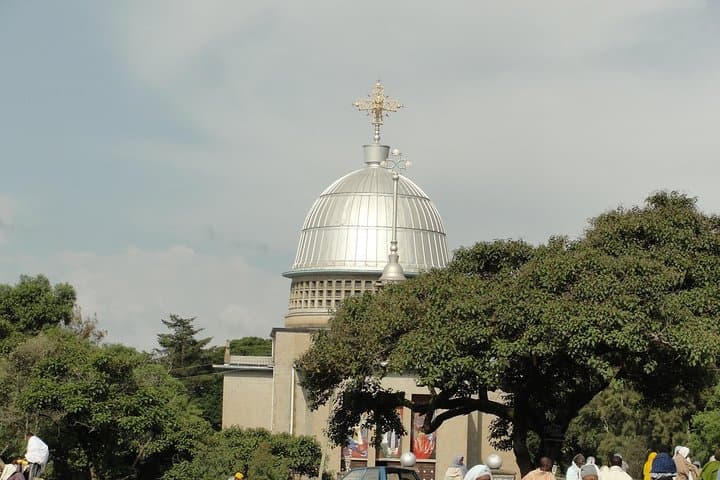
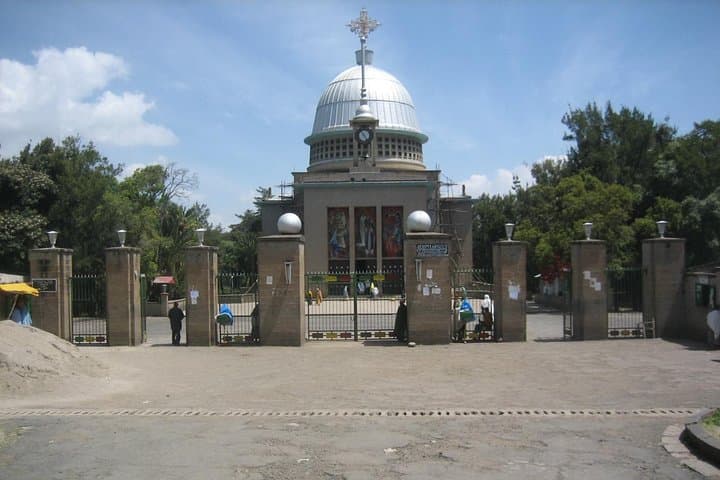
You turn north out of Addis, the highway flattening into wide highland plains, and the air grows cooler as the landscape tightens into cliffs. By mid-morning the bus drops you at Debre Libanos: stone-walled compound, the hush of chanting behind carved doors, and a monastery courtyard that opens onto the Jemma River Gorge. From the rim the valley yawns—green terraces and a ribbon of water daring you toward the Portuguese bridge far below.
Verified experiences and guided adventures in the surrounding area.
Operated by Ethio Travel And Tours · Debre Libanos, Oromia
You turn north out of Addis, the highway flattening into wide highland plains, and the air grows cooler as the landscape tightens into cliffs. By mid-morning the bus drops you at Debre Libanos: stone-walled compound, the hush of chanting behind carved doors, and a monastery courtyard that opens onto the Jemma River Gorge. From the rim the valley yawns—green terraces and a ribbon of water daring you toward the Portuguese bridge far below.
Debre Libanos dates to the 13th century, founded by St. Teklehaimanot, and its museum holds liturgical texts and crosses that map Ethiopia’s Orthodox history. The Portuguese-style bridge, rebuilt by local hands in the 19th century, spans a tight chute where the Jemma plunges nearly 1,000 meters to the lowlands—geology here is volcanic highland plateaus cut by steep river incision.
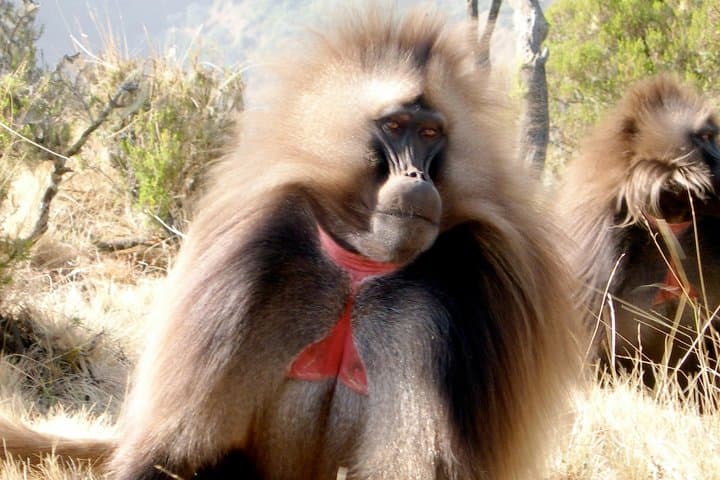
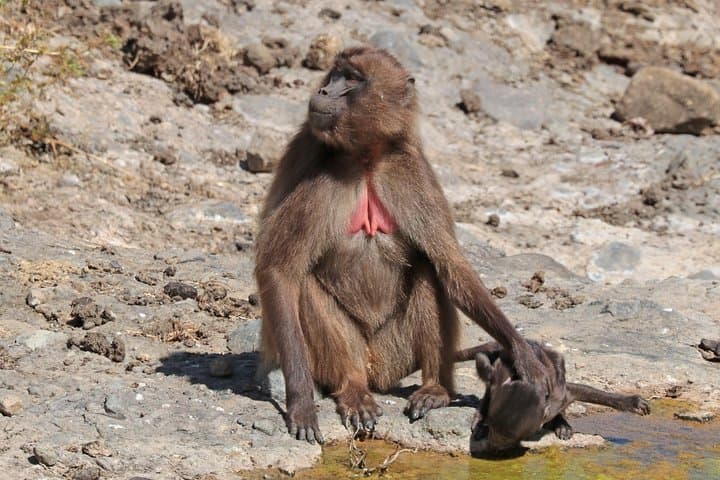
Culture and nature overlap: monks tending gardens, gelada troops grazing on cliff benches, and an array of forest and cliff birds that use the gorge’s microhabitats. Expect uneven stone steps, short steep switchbacks to reach the bridge, and a mix of paved driving with a 20–40 minute hike downhill.
Practical edge: plan for a 6–8 hour day, start early to avoid midday crowds and rain, bring sturdy footwear and sun protection, and carry cash for small entrance or donation fees. Binoculars and a camera reward patient stops; stick to marked paths to protect fragile highland shrubs and to avoid startling geladas. The trip balances easy cultural access with brief, rewarding field walking—ideal for travelers who want intimate wildlife viewing without a multi-day trek.
easy.
6–8 hours.
Suitable for most travelers comfortable with short uphill/downhill walks and uneven terrain; minimal stamina required.
It’s about 100–120 km north of Addis Ababa, typically a 2–3 hour drive depending on traffic and road conditions.
The walk is short but steep in sections with uneven steps; it’s accessible to most people who can manage short uphill/downhill walks.
Yes—geladas are commonly seen on the gorge slopes; sightings are likely but never guaranteed.
Most organized tours include entrance fees and a guide, but bringing local currency for donations or purchases is recommended.
Debre Libanos was established in the 13th century by St. Teklehaimanot; the Portuguese-style bridge reflects historical contacts and later local rebuilding.
The highland grasses and cliff-side scrub are sensitive—stay on trails, avoid feeding wildlife, and use local guides to minimize impact.
Ethio Travel And Tours operates guided outdoor trips and adventures with an emphasis on safety, stewardship, and memorable experiences.
You turn north out of Addis, the highway flattening into wide highland plains, and the air grows cooler as the landscape tightens into cliffs. By mid-morning the bus drops you at Debre Libanos: stone-walled compound, the hush of chanting behind carved doors, and a monastery courtyard that opens onto the Jemma River Gorge. From the rim the valley yawns—green terraces and a ribbon of water daring you toward the Portuguese bridge far below.
You turn north out of Addis, the highway flattening into wide highland plains, and the air grows cooler as the landscape tightens into cliffs. By mid-morning the bus drops you at Debre Libanos: stone-walled compound, the hush of chanting behind carved doors, and a monastery courtyard that opens onto the Jemma River Gorge. From the rim the valley yawns—green terraces and a ribbon of water daring you toward the Portuguese bridge far below.
Debre Libanos dates to the 13th century, founded by St. Teklehaimanot, and its museum holds liturgical texts and crosses that map Ethiopia’s Orthodox history. The Portuguese-style bridge, rebuilt by local hands in the 19th century, spans a tight chute where the Jemma plunges nearly 1,000 meters to the lowlands—geology here is volcanic highland plateaus cut by steep river incision.
Culture and nature overlap: monks tending gardens, gelada troops grazing on cliff benches, and an array of forest and cliff birds that use the gorge’s microhabitats. Expect uneven stone steps, short steep switchbacks to reach the bridge, and a mix of paved driving with a 20–40 minute hike downhill.
Practical edge: plan for a 6–8 hour day, start early to avoid midday crowds and rain, bring sturdy footwear and sun protection, and carry cash for small entrance or donation fees. Binoculars and a camera reward patient stops; stick to marked paths to protect fragile highland shrubs and to avoid startling geladas. The trip balances easy cultural access with brief, rewarding field walking—ideal for travelers who want intimate wildlife viewing without a multi-day trek.