THE ADVENTURE COLLECTIVE® · Independent discovery and booking for outdoor travel

A full-day excursion from Addis that pairs medieval monastery history with cliffside views and seasonal waterfalls. Expect an 8-hour round trip, short steep walks, and cultural highlights like a traditional coffee ceremony.
A full-day excursion from Addis that pairs medieval monastery history with cliffside views and seasonal waterfalls. Expect an 8-hour round trip, short steep walks, and cultural highlights like a traditional coffee ceremony.
You arrive on a high, wind-scoured terrace above a deep gorge; the Jemma River glares down through broken rock and the Portuguese-style bridge arches like a relic daring you to lean over the parapet. The air tastes faintly of coffee and hot stone. Walkways lead to a compact monastery complex where chant and bell time the day, and a short trail drops to a spring-filled cave once used by Saint Tekle Haymanot.
Verified experiences and guided adventures in the surrounding area.
Operated by Daily Addis Tours · Debre Libanos, Oromia Region
You arrive on a high, wind-scoured terrace above a deep gorge; the Jemma River glares down through broken rock and the Portuguese-style bridge arches like a relic daring you to lean over the parapet. The air tastes faintly of coffee and hot stone. Walkways lead to a compact monastery complex where chant and bell time the day, and a short trail drops to a spring-filled cave once used by Saint Tekle Haymanot.
Debre Libanos was established in the 13th century and grew into one of Ethiopia’s most important religious centers; its present church buildings date from later restorations, including work ordered by Emperor Haile Selassie in the 20th century. Geologically, the site sits on the escarpment of the Ethiopian Highlands where volcanic rock gives way to deep, V-shaped gorges carved by tributaries that feed the Blue Nile. Locally, the monastery remains a living institution—pilgrims, students and custodians keep rituals and the coffee ceremony alive.
Practically: this is a full-day, 110 km drive north from Addis Ababa with short walks—expect uneven stone paths and steep viewing points. Waterfalls are most dramatic in the rainy months; in the dry season the gorge opens into expansive, dusty views. Wear grippy shoes, bring sun protection and a refillable bottle, and allow extra time for photography and the coffee ceremony. Accessibility is limited at cliffside viewpoints; brief steep sections lead to the cave spring. Guides handle entrance fees and logistics, leaving you to focus on the landscape, history and the sharp sound of the river below.
easy.
8 hours.
Suitable for general fitness; involves short steep sections and uneven paths so basic mobility is required
The tour is approximately 8 hours total and typically departs from Addis Ababa, covering about 110 km each way with stops at Debre Libanos and the Portuguese Bridge.
Yes—entrance fees to Debre Libanos and the Portuguese Bridge, as well as a non-vegan and vegetarian lunch option, are included in the tour price.
Walks are short but include uneven stone steps and some steep viewpoints; the tour is described as suitable for most fitness levels but not recommended for those with serious spinal or heart conditions.
Waterfall flow is strongest during the main rainy season (roughly June–September); the dry months offer clearer views and firmer trails but smaller cascades.
Founded in the 13th century by Saint Tekle Haymanot, Debre Libanos became a major ecclesiastical center; later rulers rebuilt and expanded the complex, including work under Emperor Haile Selassie.
The Jemma gorge is ecologically sensitive—stay on designated paths, take all litter back to town, and support local guides to help fund conservation efforts.
Daily Addis Tours operates guided outdoor trips and adventures with an emphasis on safety, stewardship, and memorable experiences.
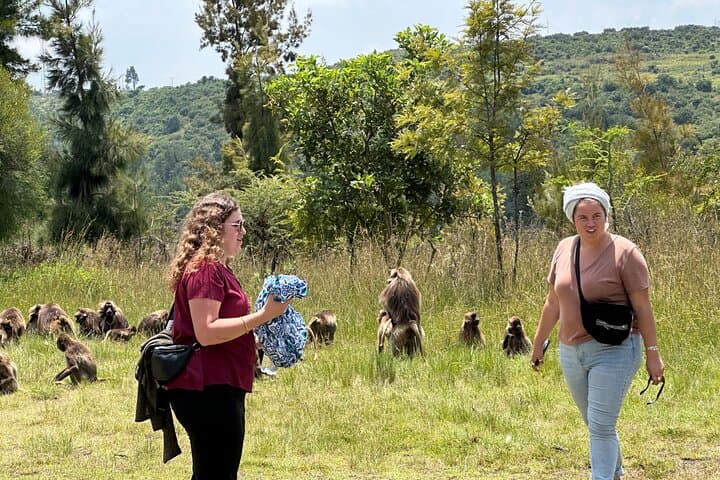

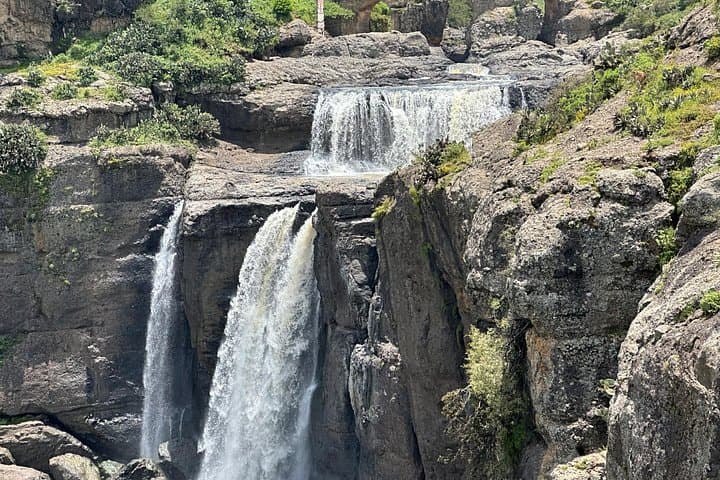
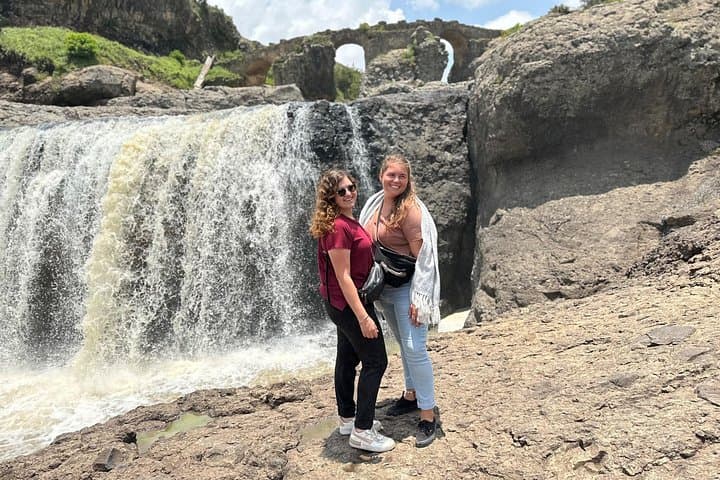
You arrive on a high, wind-scoured terrace above a deep gorge; the Jemma River glares down through broken rock and the Portuguese-style bridge arches like a relic daring you to lean over the parapet. The air tastes faintly of coffee and hot stone. Walkways lead to a compact monastery complex where chant and bell time the day, and a short trail drops to a spring-filled cave once used by Saint Tekle Haymanot.
You arrive on a high, wind-scoured terrace above a deep gorge; the Jemma River glares down through broken rock and the Portuguese-style bridge arches like a relic daring you to lean over the parapet. The air tastes faintly of coffee and hot stone. Walkways lead to a compact monastery complex where chant and bell time the day, and a short trail drops to a spring-filled cave once used by Saint Tekle Haymanot.
Debre Libanos was established in the 13th century and grew into one of Ethiopia’s most important religious centers; its present church buildings date from later restorations, including work ordered by Emperor Haile Selassie in the 20th century. Geologically, the site sits on the escarpment of the Ethiopian Highlands where volcanic rock gives way to deep, V-shaped gorges carved by tributaries that feed the Blue Nile. Locally, the monastery remains a living institution—pilgrims, students and custodians keep rituals and the coffee ceremony alive.
Practically: this is a full-day, 110 km drive north from Addis Ababa with short walks—expect uneven stone paths and steep viewing points. Waterfalls are most dramatic in the rainy months; in the dry season the gorge opens into expansive, dusty views. Wear grippy shoes, bring sun protection and a refillable bottle, and allow extra time for photography and the coffee ceremony. Accessibility is limited at cliffside viewpoints; brief steep sections lead to the cave spring. Guides handle entrance fees and logistics, leaving you to focus on the landscape, history and the sharp sound of the river below.