THE ADVENTURE COLLECTIVE® · Independent discovery and booking for outdoor travel

Drive north from Addis into highland country to visit Debre Libanos monastery, watch gelada baboons along the Blue Nile Gorge, and stand on the rim at the Portuguese Bridge. This full-day excursion blends history, geology, and rural culture with practical, easy-to-follow guidance for travelers.
Drive north from Addis into highland country to visit Debre Libanos monastery, watch gelada baboons along the Blue Nile Gorge, and stand on the rim at the Portuguese Bridge. This full-day excursion blends history, geology, and rural culture with practical, easy-to-follow guidance for travelers.
The road north from Addis unfurls over green ridges and sudden drops; by mid-morning the air thins and the gorge begins to cut a darker line into the landscape, daring you to the rim. You arrive at Debre Libanos, a monastery complex set on a broad terrace between a sheer cliff and the gorge of a Blue Nile tributary. Gelada baboons move like local watchmen on the cliffs while scattered raptors wheel above.
Verified experiences and guided adventures in the surrounding area.
Operated by Dil Tour & Travel · Debre Libanos, Oromia
The road north from Addis unfurls over green ridges and sudden drops; by mid-morning the air thins and the gorge begins to cut a darker line into the landscape, daring you to the rim. You arrive at Debre Libanos, a monastery complex set on a broad terrace between a sheer cliff and the gorge of a Blue Nile tributary. Gelada baboons move like local watchmen on the cliffs while scattered raptors wheel above.
The site is central to Ethiopian Orthodox history and one of the country’s most revered monastic centers. It also bears the memory of 1937, when hundreds of monks were killed during the Italian occupation — an important, solemn chapter that shapes how visitors experience the place today.
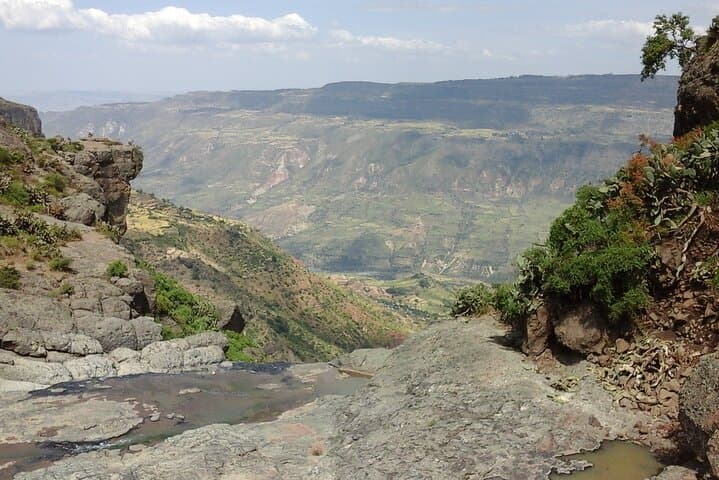
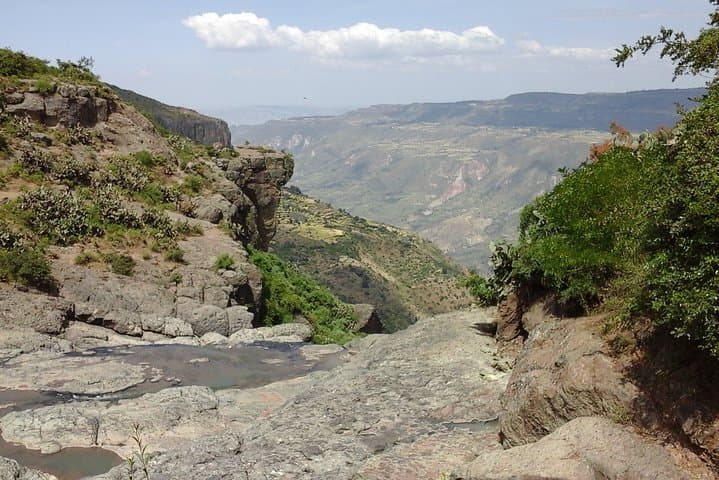
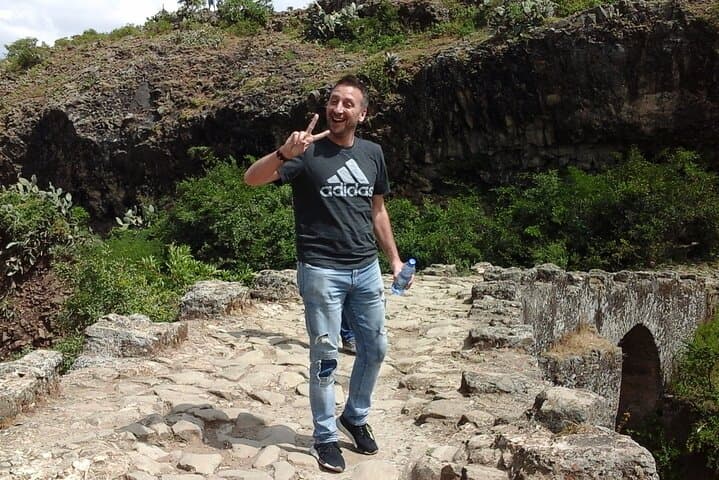
Geologically the Blue Nile Gorge displays layered volcanic basalts and deep incisions carved over millennia; the Portuguese Bridge offers a raw vantage point to read that story in rock and shadow. Culturally, the monastery remains active: you can meet priests, observe liturgy from a respectful distance, and visit a small museum and local farmhouses to glimpse rural life.
Practical guidance: this is a long, full-day excursion (expect 7–8 hours including driving), so start early, bring water, sun protection, and a light jacket for winds on the rim. Wear sensible walking shoes for uneven ground and modest clothing for religious sites. If you want closer wildlife views, bring binoculars and keep a safe distance from baboon groups. Allow time for a lunch break and a beer tasting at Addis’s historic brewery on the return — a pleasant, low-key finish to a day of history, geology, and highland wildlife.
moderate.
7–8 hours.
Suitable for travelers in average fitness — mostly easy walking with some uneven paths and steps; long vehicle time requires basic endurance.
The tour covers roughly 110 km north of Addis with about 2 hours each way depending on traffic and stops.
You can visit much of the complex and meet priests, but respect rules about photography in liturgical areas — ask guides on arrival.
Yes; geladas are commonly seen on cliffs and meadows around the monastery, best observed with binoculars and from a respectful distance.
Yes — the tour includes lunch, bottled water, and transport in an air-conditioned vehicle according to the itinerary.
Debre Libanos is a longstanding Ethiopian Orthodox monastic center and the site of a 1937 massacre of monks during the Italian occupation, a significant historical event visitors encounter respectfully.
Visitor pressure and grazing affect fragile highland vegetation; stick to trails, avoid feeding wildlife, and support local guides and community vendors.
Dil Tour & Travel operates guided outdoor trips and adventures with an emphasis on safety, stewardship, and memorable experiences.
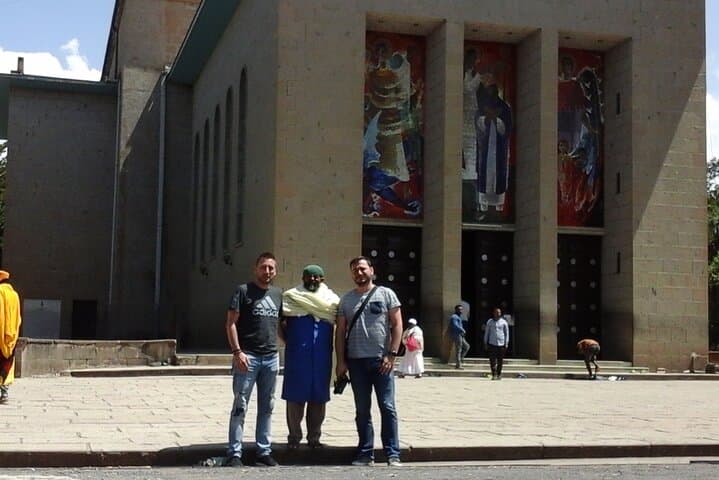
The road north from Addis unfurls over green ridges and sudden drops; by mid-morning the air thins and the gorge begins to cut a darker line into the landscape, daring you to the rim. You arrive at Debre Libanos, a monastery complex set on a broad terrace between a sheer cliff and the gorge of a Blue Nile tributary. Gelada baboons move like local watchmen on the cliffs while scattered raptors wheel above.
The road north from Addis unfurls over green ridges and sudden drops; by mid-morning the air thins and the gorge begins to cut a darker line into the landscape, daring you to the rim. You arrive at Debre Libanos, a monastery complex set on a broad terrace between a sheer cliff and the gorge of a Blue Nile tributary. Gelada baboons move like local watchmen on the cliffs while scattered raptors wheel above.
The site is central to Ethiopian Orthodox history and one of the country’s most revered monastic centers. It also bears the memory of 1937, when hundreds of monks were killed during the Italian occupation — an important, solemn chapter that shapes how visitors experience the place today.
Geologically the Blue Nile Gorge displays layered volcanic basalts and deep incisions carved over millennia; the Portuguese Bridge offers a raw vantage point to read that story in rock and shadow. Culturally, the monastery remains active: you can meet priests, observe liturgy from a respectful distance, and visit a small museum and local farmhouses to glimpse rural life.
Practical guidance: this is a long, full-day excursion (expect 7–8 hours including driving), so start early, bring water, sun protection, and a light jacket for winds on the rim. Wear sensible walking shoes for uneven ground and modest clothing for religious sites. If you want closer wildlife views, bring binoculars and keep a safe distance from baboon groups. Allow time for a lunch break and a beer tasting at Addis’s historic brewery on the return — a pleasant, low-key finish to a day of history, geology, and highland wildlife.