THE ADVENTURE COLLECTIVE® · Independent discovery and booking for outdoor travel

Spend a full day exploring Debre Libanos: cliffside churches, Tekle Haymanot’s tomb, the Jemma River gorge and the quaint Portuguese Bridge. This guided day trip combines history, geology and accessible footpaths for a compact highland adventure.
Spend a full day exploring Debre Libanos: cliffside churches, Tekle Haymanot’s tomb, the Jemma River gorge and the quaint Portuguese Bridge. This guided day trip combines history, geology and accessible footpaths for a compact highland adventure.
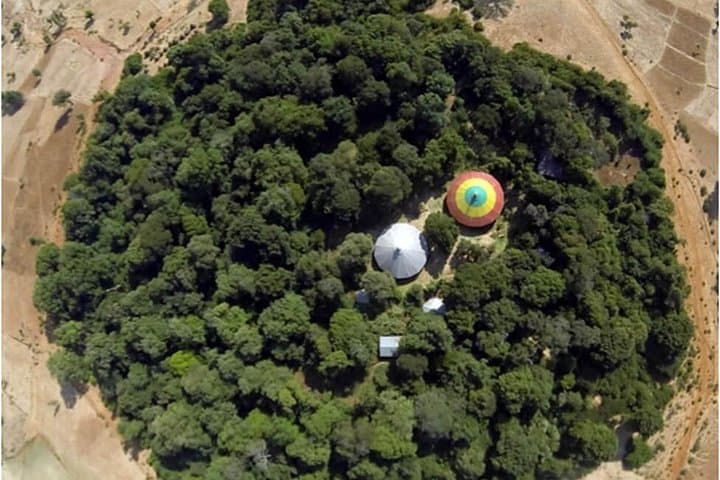
Morning light slides across a high plateau and the Jemma River below, revealing whitewashed church walls clinging to a cliff-edge terrace. On a day trip from Addis Ababa, travelers arrive to a complex of churches, schools and cliff caves that feel carved out of the landscape — wind and water have shaped the gorge that frames the monastery.
Verified experiences and guided adventures in the surrounding area.
Operated by Simien mountain ethiopia tours · Debre Libanos, Oromia Region
Morning light slides across a high plateau and the Jemma River below, revealing whitewashed church walls clinging to a cliff-edge terrace. On a day trip from Addis Ababa, travelers arrive to a complex of churches, schools and cliff caves that feel carved out of the landscape — wind and water have shaped the gorge that frames the monastery.
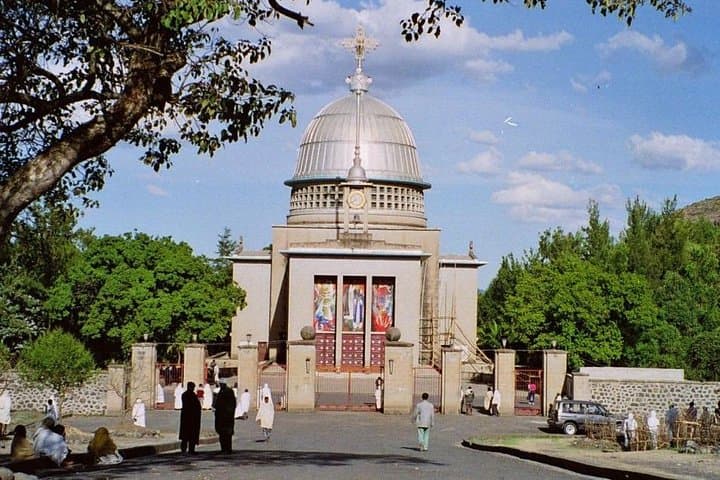
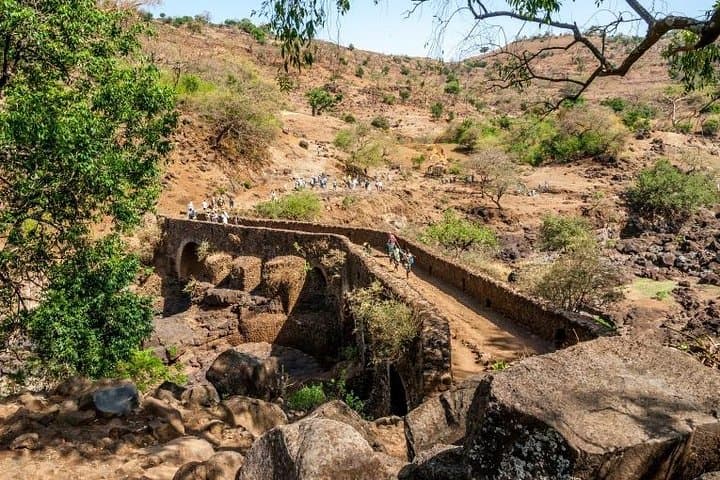
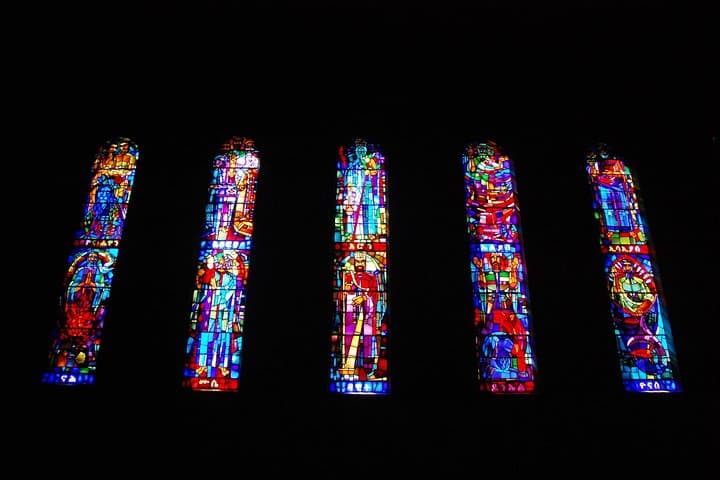
Debre Libanos is a site of deep history: destroyed during Ahmed Gragn’s 16th‑century campaign and rebuilt in stages under later emperors, its present principal church dates to the mid‑20th century and shelters the tomb of Tekle Haymanot. The nearby Portuguese Bridge, built in a European style by Ethiopians, spans a narrow cleft where seasonal waterfalls swell into the Jemma’s roar. Geologically the area sits on the Ethiopian highlands, where rivers cut steep escarpments and expose layered volcanic rock; the cliffs and caves around the monastery tell that same erosional story.
Culturally, the complex remains an active religious center with several seminaries; visitors witness a quiet rhythm of prayer, study and local pilgrimage. Practical guidance: tours typically run 8–9 hours, include a guided visit and lunch, and require minimal fitness but steady footwear for uneven paths and cliffside viewpoints. Expect cool highland air (bring layers), bright sun at midday, and potentially slippery trails in the rainy months. Keep to marked paths near the gorge, carry water, and allow time to explore the Portuguese Bridge and the cave of the saint for a fuller sense of the place.
easy.
8–9 hours.
Suitable for most fitness levels; you should be able to walk on uneven ground and manage short stair sections.
Expect about 8–9 hours total including travel, guided site visits and lunch—road time is typically 1.5–2 hours each way depending on traffic.
Yes; many areas are accessible and strollers can be used on flatter paths, but cliffside viewpoints and steps are not stroller-friendly.
Guided day tours commonly include admissions and lunch—confirm on booking to avoid surprises.
The rainy season (roughly June–September) brings stronger cascades below the Portuguese Bridge; trails may be muddier and more slippery then.
Debre Libanos has been a major monastic and educational center since medieval times; it suffered destruction in the 16th century and was rebuilt in subsequent centuries, with key 20th‑century additions.
The site balances religious use with tourism; stick to paths to reduce erosion on fragile cliffs and avoid disturbing nesting birds or the monastic community.
Simien mountain ethiopia tours operates guided outdoor trips and adventures with an emphasis on safety, stewardship, and memorable experiences.
Morning light slides across a high plateau and the Jemma River below, revealing whitewashed church walls clinging to a cliff-edge terrace. On a day trip from Addis Ababa, travelers arrive to a complex of churches, schools and cliff caves that feel carved out of the landscape — wind and water have shaped the gorge that frames the monastery.
Morning light slides across a high plateau and the Jemma River below, revealing whitewashed church walls clinging to a cliff-edge terrace. On a day trip from Addis Ababa, travelers arrive to a complex of churches, schools and cliff caves that feel carved out of the landscape — wind and water have shaped the gorge that frames the monastery.
Debre Libanos is a site of deep history: destroyed during Ahmed Gragn’s 16th‑century campaign and rebuilt in stages under later emperors, its present principal church dates to the mid‑20th century and shelters the tomb of Tekle Haymanot. The nearby Portuguese Bridge, built in a European style by Ethiopians, spans a narrow cleft where seasonal waterfalls swell into the Jemma’s roar. Geologically the area sits on the Ethiopian highlands, where rivers cut steep escarpments and expose layered volcanic rock; the cliffs and caves around the monastery tell that same erosional story.
Culturally, the complex remains an active religious center with several seminaries; visitors witness a quiet rhythm of prayer, study and local pilgrimage. Practical guidance: tours typically run 8–9 hours, include a guided visit and lunch, and require minimal fitness but steady footwear for uneven paths and cliffside viewpoints. Expect cool highland air (bring layers), bright sun at midday, and potentially slippery trails in the rainy months. Keep to marked paths near the gorge, carry water, and allow time to explore the Portuguese Bridge and the cave of the saint for a fuller sense of the place.