THE ADVENTURE COLLECTIVE® · Independent discovery and booking for outdoor travel

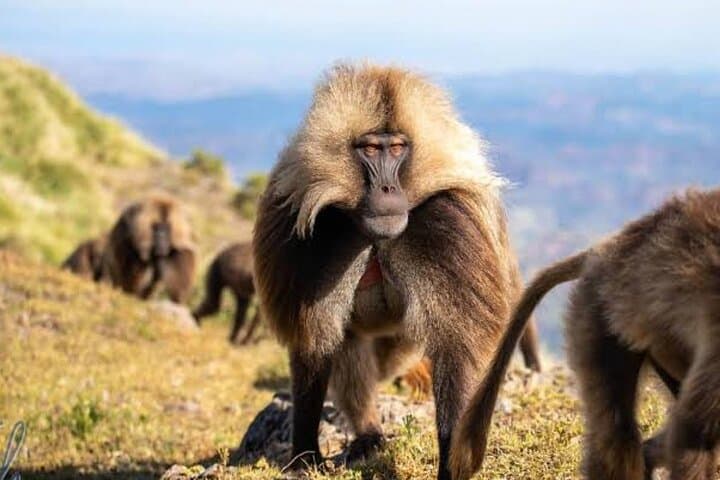
Spend a day north of Addis Ababa visiting Debre Libanos Monastery and the Portuguese Bridge above the Jemma River Gorge. Explore centuries-old religious sites, dramatic volcanic canyon scenery, and chances to see gelada baboons in their highland habitat.
Spend a day north of Addis Ababa visiting Debre Libanos Monastery and the Portuguese Bridge above the Jemma River Gorge. Explore centuries-old religious sites, dramatic volcanic canyon scenery, and chances to see gelada baboons in their highland habitat.
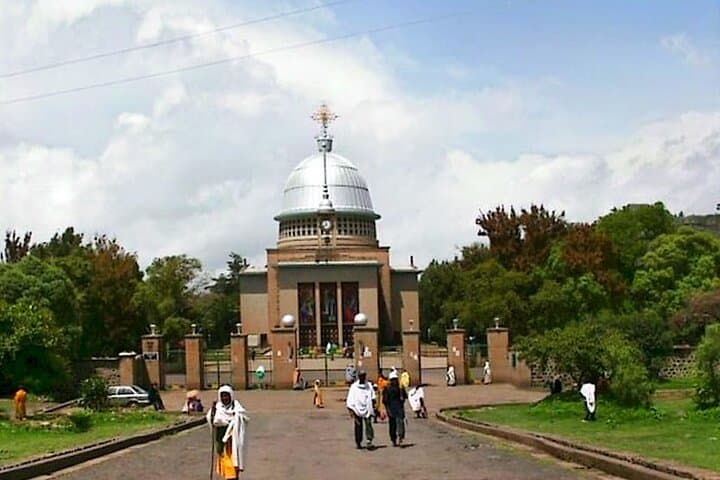
A morning drive north from Addis unfolds across highland road and thinning air; the city’s heat gives way to a cooler plateau and the silhouette of escarpments. You arrive at Debre Libanos with bell calls and stone courtyards, the monastery compound clinging to the rim above the Jemma River Gorge. Later, the Portuguese Bridge arcs across a narrow throat of the gorge, offering a raw view into the river’s churn below and the cliffs that shaped it.
Verified experiences and guided adventures in the surrounding area.
Operated by Seven Days Ethiopia Tours · Debre Libanos, Oromia
A morning drive north from Addis unfolds across highland road and thinning air; the city’s heat gives way to a cooler plateau and the silhouette of escarpments. You arrive at Debre Libanos with bell calls and stone courtyards, the monastery compound clinging to the rim above the Jemma River Gorge. Later, the Portuguese Bridge arcs across a narrow throat of the gorge, offering a raw view into the river’s churn below and the cliffs that shaped it.
Debre Libanos is one of Ethiopia’s oldest monastic sites, associated with Saint Tekle Haymanot and the Ethiopian Orthodox tradition. The Jemma (a Blue Nile tributary) has carved deep canyons through volcanic highlands, exposing columnar basalt and steep cliffs where Gelada baboons forage on grassy ledges. Local lodges, like the Ethio-Germany, have long served travelers and missionaries who came to study the gorge and its biodiversity.
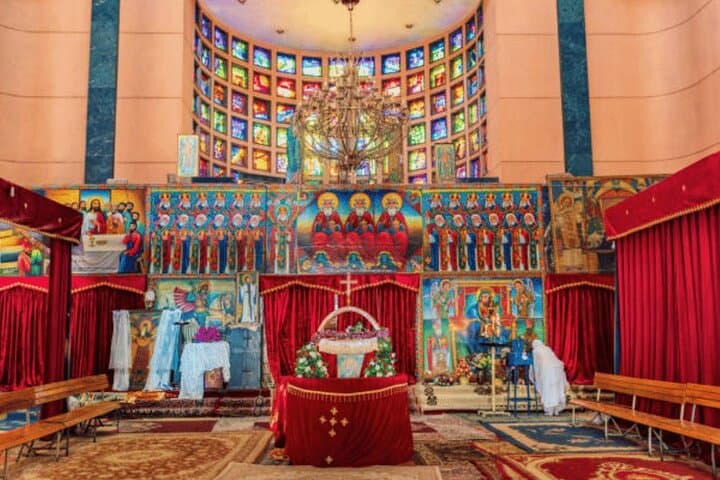
Culturally the day balances quiet religious spaces and panoramic geology; expect to see frescoed churches, a small museum of ecclesiastical artifacts, and a working monastery community. The Portuguese Bridge is less about grand architecture and more about its position—an historic crossing offering broad views of the gorge and birdlife.
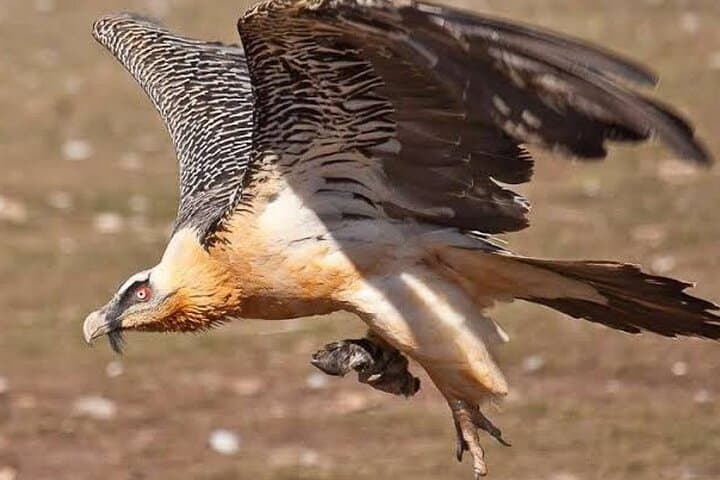
Practical guidance: plan for a full 9-hour day with hotel pickup, bring sun protection and a warm layer for windy ridge-top viewpoints, and carry water and comfortable walking shoes for uneven stone paths. Binoculars reward anyone hoping to find geladas or raptors on the cliff faces.
easy.
9 hours.
Suitable for most fitness levels; requires short, easy walks on uneven stone paths and viewpoints at moderate elevation.
Typical itineraries are full-day tours of about 9 hours including pickup, driving time (roughly 1.5–2 hours each way depending on traffic), stops, and return.
No—both sites require only short, mostly flat walks, but there are uneven stone surfaces and some steps inside monastery compounds.
Geladas are frequently seen on the Jemma Gorge cliffs but sightings cannot be guaranteed; mornings and late afternoons are usually best.
Many operators offer accessible transport and some sites have limited wheelchair access, but stone paths and steps can restrict full access to all viewpoints—confirm accessibility when booking.
Debre Libanos has been a central Ethiopian Orthodox monastery since the 13th century and remains an active spiritual and cultural site; the Portuguese Bridge reflects historical European presence in the region.
The Jemma River Gorge supports unique highland ecosystems; visitors should stick to trails, avoid feeding wildlife, and minimize waste to protect fragile cliff habitats.
Seven Days Ethiopia Tours operates guided outdoor trips and adventures with an emphasis on safety, stewardship, and memorable experiences.
A morning drive north from Addis unfolds across highland road and thinning air; the city’s heat gives way to a cooler plateau and the silhouette of escarpments. You arrive at Debre Libanos with bell calls and stone courtyards, the monastery compound clinging to the rim above the Jemma River Gorge. Later, the Portuguese Bridge arcs across a narrow throat of the gorge, offering a raw view into the river’s churn below and the cliffs that shaped it.
A morning drive north from Addis unfolds across highland road and thinning air; the city’s heat gives way to a cooler plateau and the silhouette of escarpments. You arrive at Debre Libanos with bell calls and stone courtyards, the monastery compound clinging to the rim above the Jemma River Gorge. Later, the Portuguese Bridge arcs across a narrow throat of the gorge, offering a raw view into the river’s churn below and the cliffs that shaped it.
Debre Libanos is one of Ethiopia’s oldest monastic sites, associated with Saint Tekle Haymanot and the Ethiopian Orthodox tradition. The Jemma (a Blue Nile tributary) has carved deep canyons through volcanic highlands, exposing columnar basalt and steep cliffs where Gelada baboons forage on grassy ledges. Local lodges, like the Ethio-Germany, have long served travelers and missionaries who came to study the gorge and its biodiversity.
Culturally the day balances quiet religious spaces and panoramic geology; expect to see frescoed churches, a small museum of ecclesiastical artifacts, and a working monastery community. The Portuguese Bridge is less about grand architecture and more about its position—an historic crossing offering broad views of the gorge and birdlife.
Practical guidance: plan for a full 9-hour day with hotel pickup, bring sun protection and a warm layer for windy ridge-top viewpoints, and carry water and comfortable walking shoes for uneven stone paths. Binoculars reward anyone hoping to find geladas or raptors on the cliff faces.