THE ADVENTURE COLLECTIVE® · Independent discovery and booking for outdoor travel

A full-day outing from Addis Ababa that pairs a historic Ethiopian Orthodox monastery with a dramatic descent into the Jemma River (Blue Nile) Gorge. Expect steep viewpoints, abundant birdlife, and the endemic gelada monkeys.
A full-day outing from Addis Ababa that pairs a historic Ethiopian Orthodox monastery with a dramatic descent into the Jemma River (Blue Nile) Gorge. Expect steep viewpoints, abundant birdlife, and the endemic gelada monkeys.
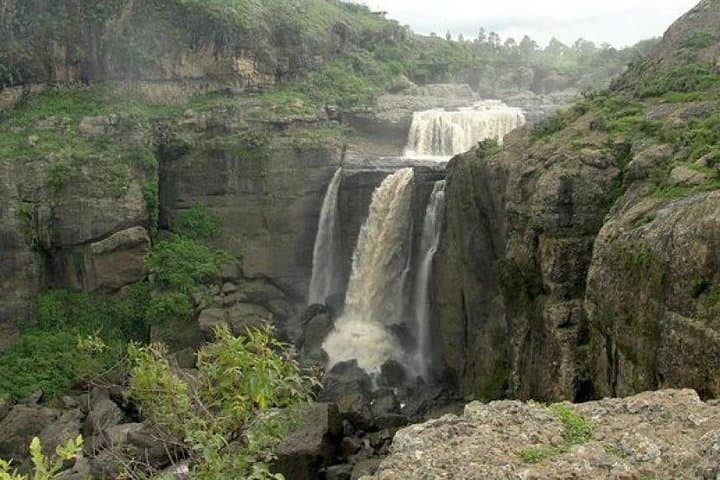
You leave Addis Ababa before the sun softens the highland air and the rutted road opens into broad views. The land tilts and the Jemma (a Blue Nile tributary) pulls the earth away beneath you — a gorge that drops nearly 1,000 meters — and the river dares you to look over the rim.
Verified experiences and guided adventures in the surrounding area.
Operated by Guide to Addis · Debre Libanos, Oromia
You leave Addis Ababa before the sun softens the highland air and the rutted road opens into broad views. The land tilts and the Jemma (a Blue Nile tributary) pulls the earth away beneath you — a gorge that drops nearly 1,000 meters — and the river dares you to look over the rim.
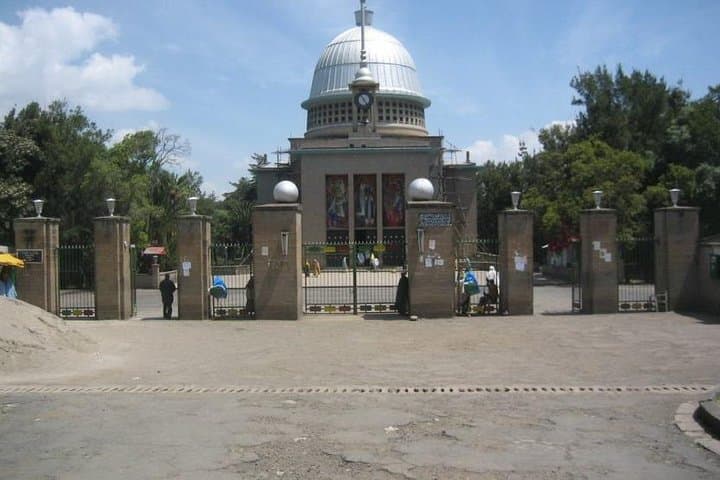
Debre Libanos is an active monastic center founded by St. Teklehaimanot in the 13th century; its stone church and small museum hold objects of Ethiopian Orthodox practice and local history. Geologically, this stretch of the Ethiopian plateau is a carved volcanic highland: basalt plateaus cut by deep river canyons produce sheer cliffs and a patchwork of cultivated terraces. Culturally, monks still live and pray here and local villages preserve traditional grass-roofed huts visible from roadside viewpoints.
On foot you’ll descend to the so-called Portuguese Bridge, a narrow span built in an old Portuguese style and rebuilt locally — a photogenic crossing above a small cascade that swells in the rains. Birdlife is prolific: look for white-billed starlings, Hemprich’s hornbill and cliff chats. The endemic gelada (often called a “bleeding-heart” baboon) grazes cliff-side grasslands in small bands.
Practical guidance: expect a 9-hour day with roughly two hours at the monastery and two hours at the gorge, moderate walking on uneven, sometimes steep trails, and an air-conditioned vehicle between sites. Bring sturdy shoes, sun protection, binoculars and at least 1–2 liters of water. Respect monastery rules (modest dress, quiet) and keep distance from wildlife; trails can be slippery after rain.
moderate.
9 hours.
Moderate fitness recommended — includes downhill and uphill walking on uneven ground; stamina for a full-day outing helps.
Yes for older children who can handle a full day; infants are usually required to sit on laps during transport and steeper trail sections can be challenging.
The itinerary notes admission for the Portuguese Bridge site; small local fees for the monastery museum may apply—confirm at booking.
No — maintain distance and do not feed wildlife; geladas tolerate human presence but will defend territory or young if provoked.
Debre Libanos sits at highland elevations similar to Addis Ababa (around 2,300–2,700 m); most visitors acclimatized to Addis should be fine but take it easy if newly arrived.
Debre Libanos was founded in the 13th century by St. Teklehaimanot and remains a key Ethiopian Orthodox monastic center; the Portuguese-style bridge reflects contact with European builders and later local reconstruction.
The gorge supports specialized highland grassland and forest-edge bird communities; stick to trails, avoid littering and do not feed wildlife to limit disturbance.
Guide to Addis operates guided outdoor trips and adventures with an emphasis on safety, stewardship, and memorable experiences.


You leave Addis Ababa before the sun softens the highland air and the rutted road opens into broad views. The land tilts and the Jemma (a Blue Nile tributary) pulls the earth away beneath you — a gorge that drops nearly 1,000 meters — and the river dares you to look over the rim.
You leave Addis Ababa before the sun softens the highland air and the rutted road opens into broad views. The land tilts and the Jemma (a Blue Nile tributary) pulls the earth away beneath you — a gorge that drops nearly 1,000 meters — and the river dares you to look over the rim.
Debre Libanos is an active monastic center founded by St. Teklehaimanot in the 13th century; its stone church and small museum hold objects of Ethiopian Orthodox practice and local history. Geologically, this stretch of the Ethiopian plateau is a carved volcanic highland: basalt plateaus cut by deep river canyons produce sheer cliffs and a patchwork of cultivated terraces. Culturally, monks still live and pray here and local villages preserve traditional grass-roofed huts visible from roadside viewpoints.
On foot you’ll descend to the so-called Portuguese Bridge, a narrow span built in an old Portuguese style and rebuilt locally — a photogenic crossing above a small cascade that swells in the rains. Birdlife is prolific: look for white-billed starlings, Hemprich’s hornbill and cliff chats. The endemic gelada (often called a “bleeding-heart” baboon) grazes cliff-side grasslands in small bands.
Practical guidance: expect a 9-hour day with roughly two hours at the monastery and two hours at the gorge, moderate walking on uneven, sometimes steep trails, and an air-conditioned vehicle between sites. Bring sturdy shoes, sun protection, binoculars and at least 1–2 liters of water. Respect monastery rules (modest dress, quiet) and keep distance from wildlife; trails can be slippery after rain.