THE ADVENTURE COLLECTIVE® · Independent discovery and booking for outdoor travel

Escape the Strip for a full-day guided tour into Death Valley: salt flats, sand dunes, colorful badlands, and ghost-town ruins packed into a photo-ready 10-hour loop from Las Vegas. Learn where to walk, when to shoot, and what to bring for a safe day below sea level.
Escape the Strip for a full-day guided tour into Death Valley: salt flats, sand dunes, colorful badlands, and ghost-town ruins packed into a photo-ready 10-hour loop from Las Vegas. Learn where to walk, when to shoot, and what to bring for a safe day below sea level.
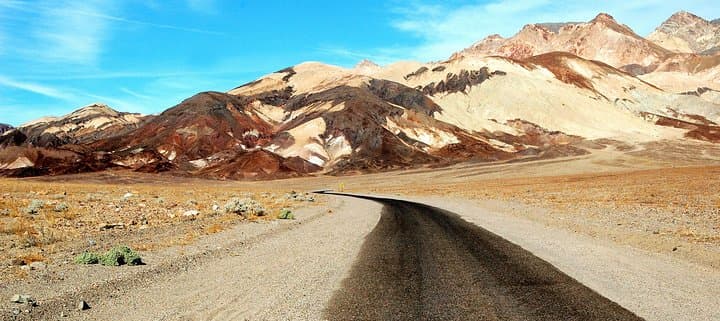
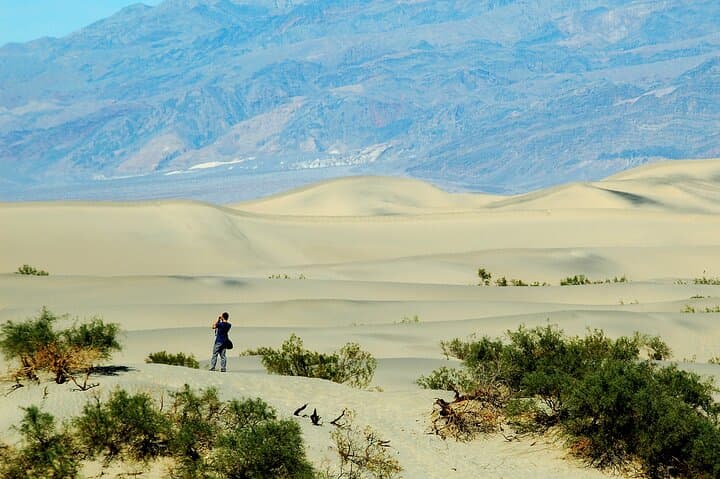
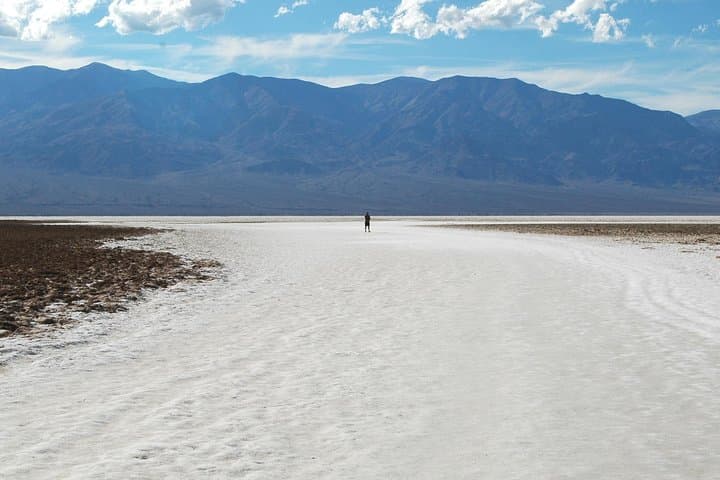
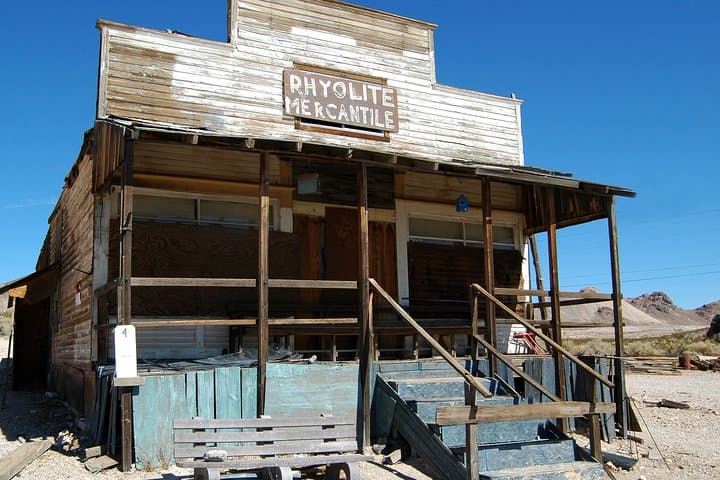
The bus eases out of the neon grid of Las Vegas before dawn, and the city’s hum gives way to a horizon of hard light and long shadow. By mid-morning the air has thinned into the clear, brittle brightness that defines Death Valley: salt crusts gleam like a frozen sea, hills blush with mineral stains, and windsculpted dunes hold the footprints of early risers. On a well-paced, full-day tour you move through these contrasts—ghost town bones at Rhyolite, the otherworldly whiteness of Badwater Basin, the painterly slopes of Artist’s Palette—each stop giving a different face to a landscape that demands close attention.
Verified experiences and guided adventures in the surrounding area.
Operated by Adventure Photo Tours · Las Vegas, Nevada
The bus eases out of the neon grid of Las Vegas before dawn, and the city’s hum gives way to a horizon of hard light and long shadow. By mid-morning the air has thinned into the clear, brittle brightness that defines Death Valley: salt crusts gleam like a frozen sea, hills blush with mineral stains, and windsculpted dunes hold the footprints of early risers. On a well-paced, full-day tour you move through these contrasts—ghost town bones at Rhyolite, the otherworldly whiteness of Badwater Basin, the painterly slopes of Artist’s Palette—each stop giving a different face to a landscape that demands close attention.
Geology here reads like deep time laid bare: ancient seas left behind salt pans that now crack into polygonal tiles, volcanic eruptions and tectonic shifts tilted ranges that funnel heat into the valley floor, and episodic flash floods carved canyons that flash bright color when the light hits them right. Badwater Basin sits 282 feet below sea level, the lowest point in North America; Zabriskie Point perches roughly 740 feet above the valley, offering a classic sweep of eroded badlands. Rhyolite, a turn-of-the-century mining town, stands as a human afterimage—shells of brick and steel against an uncompromising desert.
Culture and conservation are part of the story. Native Timbisha Shoshone people have lived with and managed resources here for millennia, and the National Park Service now balances visitor access with fragile desert ecosystems. That means staying on trails, packing out trash, and respecting seasonal closures when temperatures spike.
Practically, this itinerary is built for photographers and curious travelers: expect about a 10-hour day with roughly 130 miles one way from the Vegas Strip and a total driving loop near 260 miles round trip. Most stops require only short walks—Zabriskie Point’s viewpoint is a 0.5-mile round-trip scramble; Badwater’s salt crust is flat and walkable for about a mile if you want to explore. The sand dunes invite longer, softer-stride hikes over loose sand. Terrain is a mix of paved pullouts, compacted dirt, and loose sand; elevation change between viewpoints and basin floor can be over 1,000–2,000 feet, so layers are useful as temperatures vary.
Timing matters: winter and spring offer the most comfortable daytime temperatures and clearer skies for color at Artist’s Palette; summers can exceed 110°F and are best avoided for extended walking. Bring at least 2 liters of water per person, sun protection, and good walking shoes. Guides handle logistics—air-conditioned transport, lunch options, and historical context—so you can focus on the light and the strange, beautiful geometry of a place that pushes both camera and senses to pay attention.
easy.
10 hours (full day).
Suitable for average fitness; involves short walks and some uneven footing but no technical hiking required
The guided tour is a full 10-hour day with roughly a 130-mile drive each way; most operators plan multiple photo stops and short walks.
Yes—there's a park entrance fee; some tour operators include it in the price, so confirm at booking.
Yes—you can walk onto the salt flats; wear sunscreen and carry water, and avoid walking during extreme heat in summer.
Restrooms are available at visitor centers and main stops like Furnace Creek; bring snacks and advised lunch choices are often requested at booking.
Summer temperatures can exceed 110°F; tours run year-round but extended walking in summer is not recommended—follow operator guidance and stay hydrated.
Many operators provide hotel pickup and can accommodate infants with specialized seats; advise special needs when booking to confirm accessibility.
Death Valley’s modern features reflect millennia of Timbisha Shoshone land use and a late-19th-century mining boom—Rhyolite’s ruins are remnants of that gold rush era.
Park management balances photography tourism with fragile habitats; stick to marked areas to protect salt crusts and cryptobiotic soils and carry out all waste.
Adventure Photo Tours operates guided outdoor trips and adventures with an emphasis on safety, stewardship, and memorable experiences.
The bus eases out of the neon grid of Las Vegas before dawn, and the city’s hum gives way to a horizon of hard light and long shadow. By mid-morning the air has thinned into the clear, brittle brightness that defines Death Valley: salt crusts gleam like a frozen sea, hills blush with mineral stains, and windsculpted dunes hold the footprints of early risers. On a well-paced, full-day tour you move through these contrasts—ghost town bones at Rhyolite, the otherworldly whiteness of Badwater Basin, the painterly slopes of Artist’s Palette—each stop giving a different face to a landscape that demands close attention.
The bus eases out of the neon grid of Las Vegas before dawn, and the city’s hum gives way to a horizon of hard light and long shadow. By mid-morning the air has thinned into the clear, brittle brightness that defines Death Valley: salt crusts gleam like a frozen sea, hills blush with mineral stains, and windsculpted dunes hold the footprints of early risers. On a well-paced, full-day tour you move through these contrasts—ghost town bones at Rhyolite, the otherworldly whiteness of Badwater Basin, the painterly slopes of Artist’s Palette—each stop giving a different face to a landscape that demands close attention.
Geology here reads like deep time laid bare: ancient seas left behind salt pans that now crack into polygonal tiles, volcanic eruptions and tectonic shifts tilted ranges that funnel heat into the valley floor, and episodic flash floods carved canyons that flash bright color when the light hits them right. Badwater Basin sits 282 feet below sea level, the lowest point in North America; Zabriskie Point perches roughly 740 feet above the valley, offering a classic sweep of eroded badlands. Rhyolite, a turn-of-the-century mining town, stands as a human afterimage—shells of brick and steel against an uncompromising desert.
Culture and conservation are part of the story. Native Timbisha Shoshone people have lived with and managed resources here for millennia, and the National Park Service now balances visitor access with fragile desert ecosystems. That means staying on trails, packing out trash, and respecting seasonal closures when temperatures spike.
Practically, this itinerary is built for photographers and curious travelers: expect about a 10-hour day with roughly 130 miles one way from the Vegas Strip and a total driving loop near 260 miles round trip. Most stops require only short walks—Zabriskie Point’s viewpoint is a 0.5-mile round-trip scramble; Badwater’s salt crust is flat and walkable for about a mile if you want to explore. The sand dunes invite longer, softer-stride hikes over loose sand. Terrain is a mix of paved pullouts, compacted dirt, and loose sand; elevation change between viewpoints and basin floor can be over 1,000–2,000 feet, so layers are useful as temperatures vary.
Timing matters: winter and spring offer the most comfortable daytime temperatures and clearer skies for color at Artist’s Palette; summers can exceed 110°F and are best avoided for extended walking. Bring at least 2 liters of water per person, sun protection, and good walking shoes. Guides handle logistics—air-conditioned transport, lunch options, and historical context—so you can focus on the light and the strange, beautiful geometry of a place that pushes both camera and senses to pay attention.