THE ADVENTURE COLLECTIVE® · Independent discovery and booking for outdoor travel

Float in one of the world’s saltiest seas, slather on mineral mud, and relax at a serviced shoreline on this full-day excursion from Jerusalem. Learn what to pack, when to go, and how to make the most of the unique geology and wellness culture of the Dead Sea.
Float in one of the world’s saltiest seas, slather on mineral mud, and relax at a serviced shoreline on this full-day excursion from Jerusalem. Learn what to pack, when to go, and how to make the most of the unique geology and wellness culture of the Dead Sea.
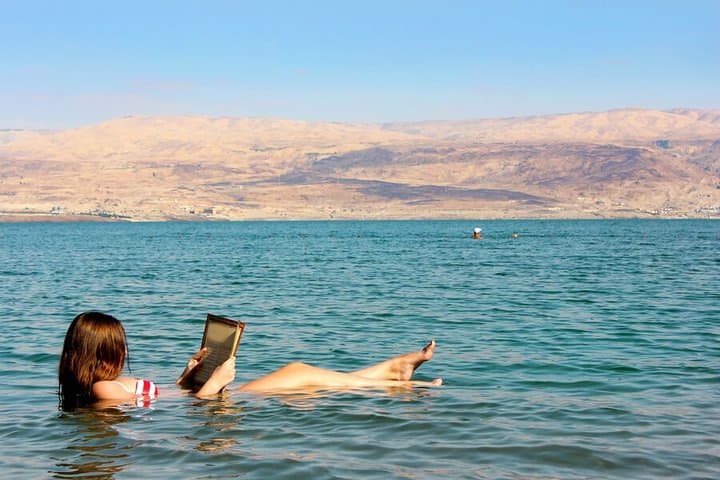
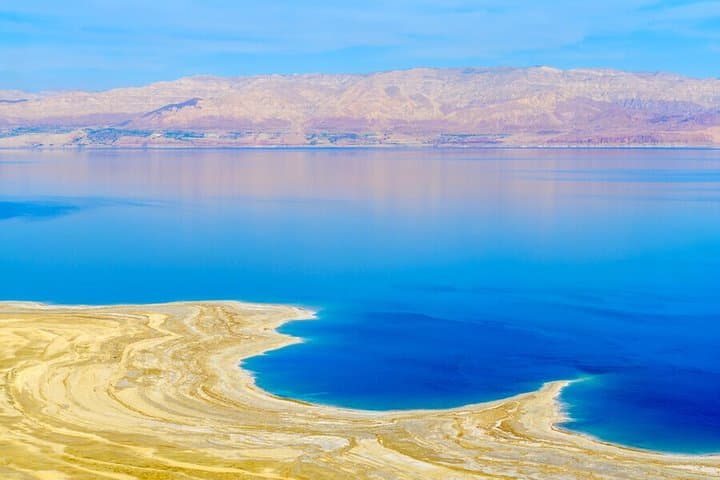
A ribbon of asphalt drops from the Judean Hills and the air opens onto a pale, glassy sea that refuses to sink you. Salt crystals rim the shoreline like brittle jewelry; the water’s density lifts your body and the mineral mud tugs at your skin, leaving a fine, dark mask that feels medicinal and a little theatrical. This is the Dead Sea — the planet’s lowest exposed point — presented in a single, restorative day.
Verified experiences and guided adventures in the surrounding area.
Operated by Bein Harim Ltd · Ein Bokek, Dead Sea region
A ribbon of asphalt drops from the Judean Hills and the air opens onto a pale, glassy sea that refuses to sink you. Salt crystals rim the shoreline like brittle jewelry; the water’s density lifts your body and the mineral mud tugs at your skin, leaving a fine, dark mask that feels medicinal and a little theatrical. This is the Dead Sea — the planet’s lowest exposed point — presented in a single, restorative day.
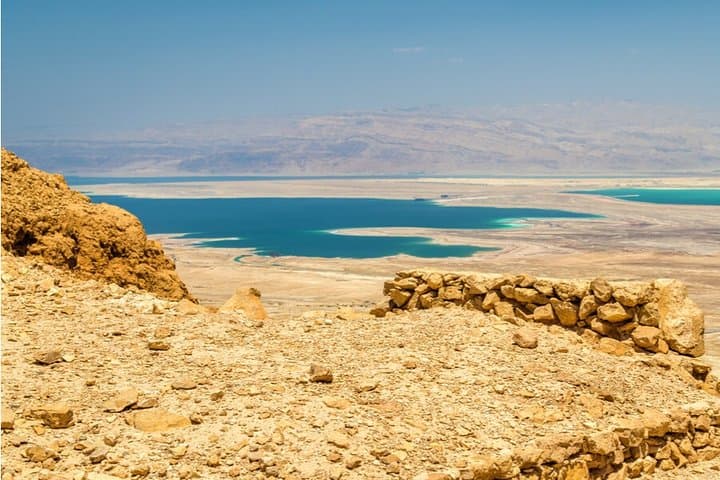
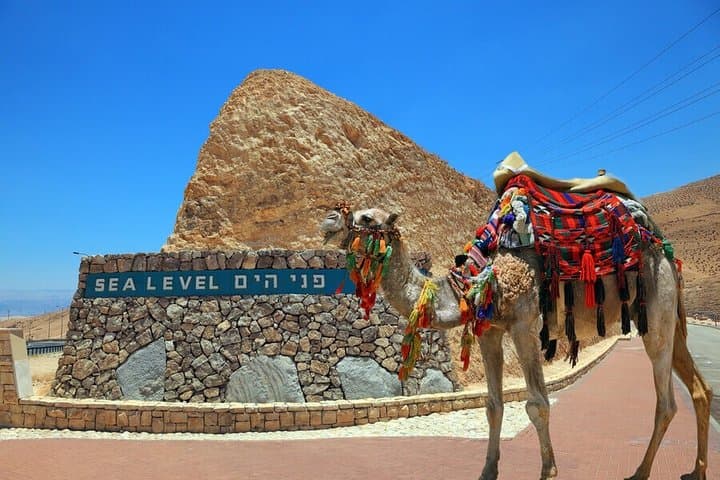
Geology and history press close: the basin is a remnant of an ancient rift, its hyper-saline waters concentrated by evaporation over millennia. Empires and pilgrims have used these shores for salt, skin treatments, and scriptural moments; modern visitors come for the same reason, now serviced by well-facilitated public beaches and resort strips. The drive from Jerusalem threads olive-dotted slopes and a sea-level marker that reminds you how far below the world you’ve travelled.
Expect structured time at a developed shore area with changing rooms, shaded spots, and lifeguarded zones: cover yourself in therapeutic mud, float on the buoyant water, rinse at freshwater stations, and relax under the sun. Practicalities matter — the sun is intense, the salt stings open cuts, and the shoreline can be sharp with salt deposits. Tours commonly include air-conditioned transport, hotel pickup and drop-off, and entrance fees, making it an easy, low-effort outing for most travelers.
Plan for hydration, sun protection, and footwear that can handle gritty salt. Go early or late in the day to avoid the peak heat and to make the most of the shore facilities and quiet water.
easy.
10 hours.
Suitable for all fitness levels; mostly low exertion but requires ability to get in/out of shallow shore water.
Yes—floating is safe for most people because the high salinity prevents standard swimming; stay in designated areas and avoid getting salt in eyes or open wounds.
Most well-facilitated beaches provide basic changing areas and freshwater showers to rinse salt off after floating.
Children are generally allowed but this particular tour is not suitable for children under age 4; always supervise young swimmers closely around salt water.
Avoid applying mud near eyes and mouth, and do not leave the mud on too long if you have sensitive skin; rinse thoroughly with fresh water after use.
The Dead Sea region has been exploited for salt and minerals since antiquity and appears repeatedly in biblical and historical records; modern spa culture builds on that long tradition of therapeutic use.
Water levels have fallen due to upstream diversion and mineral extraction; stick to marked paths, use provided facilities, and avoid taking mineral crusts as souvenirs to limit impact.
Bein Harim Ltd operates guided outdoor trips and adventures with an emphasis on safety, stewardship, and memorable experiences.
A ribbon of asphalt drops from the Judean Hills and the air opens onto a pale, glassy sea that refuses to sink you. Salt crystals rim the shoreline like brittle jewelry; the water’s density lifts your body and the mineral mud tugs at your skin, leaving a fine, dark mask that feels medicinal and a little theatrical. This is the Dead Sea — the planet’s lowest exposed point — presented in a single, restorative day.
A ribbon of asphalt drops from the Judean Hills and the air opens onto a pale, glassy sea that refuses to sink you. Salt crystals rim the shoreline like brittle jewelry; the water’s density lifts your body and the mineral mud tugs at your skin, leaving a fine, dark mask that feels medicinal and a little theatrical. This is the Dead Sea — the planet’s lowest exposed point — presented in a single, restorative day.
Geology and history press close: the basin is a remnant of an ancient rift, its hyper-saline waters concentrated by evaporation over millennia. Empires and pilgrims have used these shores for salt, skin treatments, and scriptural moments; modern visitors come for the same reason, now serviced by well-facilitated public beaches and resort strips. The drive from Jerusalem threads olive-dotted slopes and a sea-level marker that reminds you how far below the world you’ve travelled.
Expect structured time at a developed shore area with changing rooms, shaded spots, and lifeguarded zones: cover yourself in therapeutic mud, float on the buoyant water, rinse at freshwater stations, and relax under the sun. Practicalities matter — the sun is intense, the salt stings open cuts, and the shoreline can be sharp with salt deposits. Tours commonly include air-conditioned transport, hotel pickup and drop-off, and entrance fees, making it an easy, low-effort outing for most travelers.
Plan for hydration, sun protection, and footwear that can handle gritty salt. Go early or late in the day to avoid the peak heat and to make the most of the shore facilities and quiet water.