THE ADVENTURE COLLECTIVE® · Independent discovery and booking for outdoor travel

Travel from Jerusalem down into the Judean Desert to hike Masada’s ancient fortress and float in the mineral-dense Dead Sea. This private day tour mixes archaeology, striking geology, and an unforgettable flotation experience.
Travel from Jerusalem down into the Judean Desert to hike Masada’s ancient fortress and float in the mineral-dense Dead Sea. This private day tour mixes archaeology, striking geology, and an unforgettable flotation experience.
A dust-scented wind pushes across the Judean desert as the road drops away from Jerusalem and the horizon opens toward a mirage of salt and water. The morning at Masada begins with terraces and cisterns carved into bedrock; the plateau stakes its claim above the earth like an ancient watchman, and the stones keep the story of 73 CE in clear relief.
Verified experiences and guided adventures in the surrounding area.
Operated by Israel in Color with Dr. David Gurevich · Jerusalem, Jerusalem District
A dust-scented wind pushes across the Judean desert as the road drops away from Jerusalem and the horizon opens toward a mirage of salt and water. The morning at Masada begins with terraces and cisterns carved into bedrock; the plateau stakes its claim above the earth like an ancient watchman, and the stones keep the story of 73 CE in clear relief.
Masada’s history is blunt: Herod built palaces and water systems here; later, it became the site of the Romans’ final siege of the Jewish rebels. Geologically, the fortress sits on a basalt and limestone mesa formed by tectonic uplift along the Dead Sea rift, offering dramatic views into the lowest rift valley on the planet.
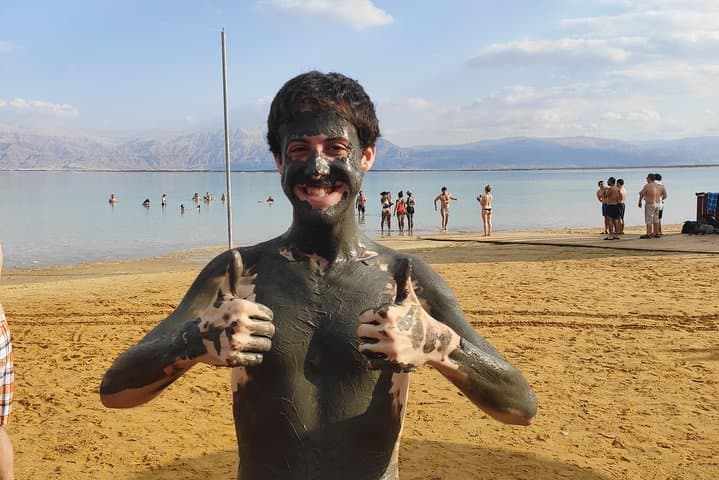
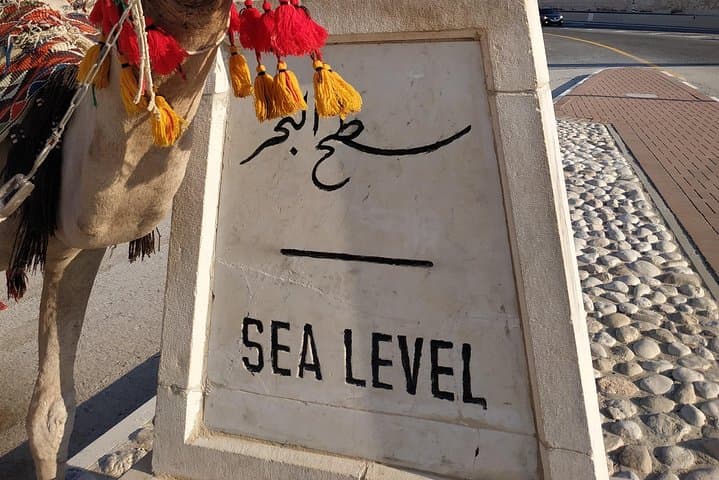
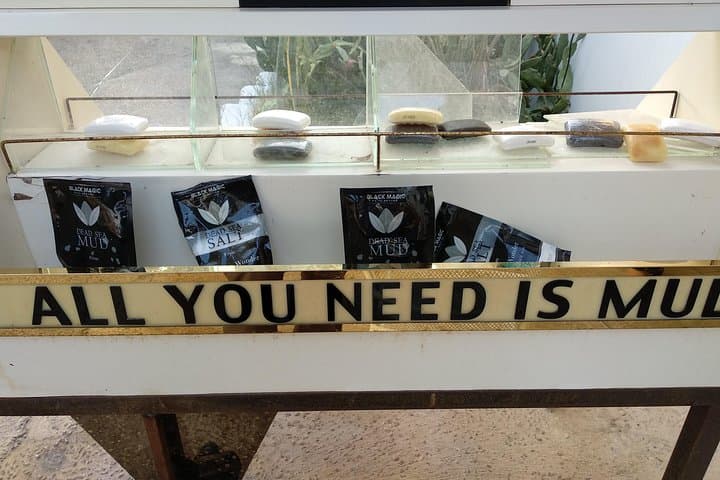
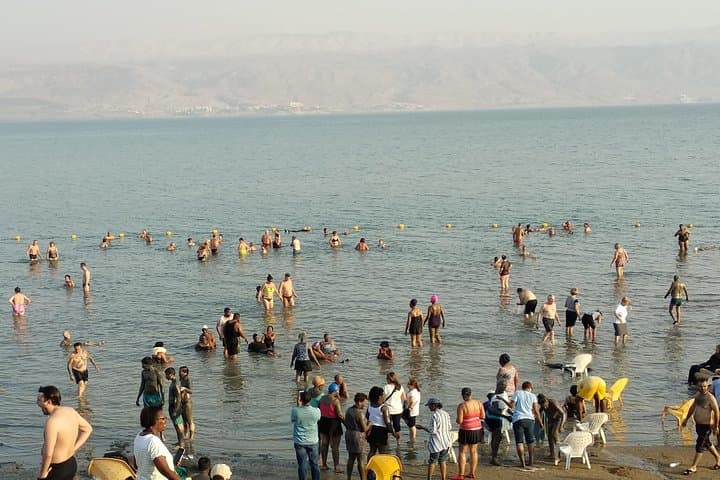
Down at the Dead Sea the landscape changes: the water’s surface glitters with suspended salt crystals and buoyancy that practically dares you to let go. Local culture here is pragmatic — bathhouses and small bars at minus 420 meters cater to visitors who want the ritual of mineral mud and a cold drink at the world’s lowest cafés.
Practical guidance: this private tour runs roughly 8–9 hours, with a moderate amount of walking on uneven stone at Masada and sandy beach access at the Dead Sea. Bring plenty of water, sun protection, and sturdy shoes for the plateau; plan for limited shade and check admission needs in advance (guiding only—entry not included). Time your visit for morning or late afternoon to avoid peak heat and to get the best light for the ruins and the salt flats.
moderate.
8–9 hours.
Light to moderate fitness—comfortable walking and some short steep sections at Masada; minimal sustained exertion required.
No—price covers guiding only; transportation to and from the sites is not included and must be arranged separately.
Admissions are not included in the guide-only price; purchase entrance tickets in advance or on-site when possible to avoid delays.
The tour is described as suitable for all fitness levels, but infants must sit on an adult’s lap and parents should assess heat exposure and walking demands.
Yes—floating is safe due to the high salinity, but avoid shaving beforehand, keep water out of eyes, and use designated beaches for mud application and rinsing.
Masada was fortified by Herod the Great and became the site of a Roman siege in 73 CE, remembered for the mass suicide of Jewish defenders at the end of the revolt.
The Dead Sea is shrinking due to upstream water diversion and mineral extraction; stick to designated beaches, avoid removing salt or mud, and support local conservation initiatives.
Israel in Color with Dr. David Gurevich operates guided outdoor trips and adventures with an emphasis on safety, stewardship, and memorable experiences.
A dust-scented wind pushes across the Judean desert as the road drops away from Jerusalem and the horizon opens toward a mirage of salt and water. The morning at Masada begins with terraces and cisterns carved into bedrock; the plateau stakes its claim above the earth like an ancient watchman, and the stones keep the story of 73 CE in clear relief.
A dust-scented wind pushes across the Judean desert as the road drops away from Jerusalem and the horizon opens toward a mirage of salt and water. The morning at Masada begins with terraces and cisterns carved into bedrock; the plateau stakes its claim above the earth like an ancient watchman, and the stones keep the story of 73 CE in clear relief.
Masada’s history is blunt: Herod built palaces and water systems here; later, it became the site of the Romans’ final siege of the Jewish rebels. Geologically, the fortress sits on a basalt and limestone mesa formed by tectonic uplift along the Dead Sea rift, offering dramatic views into the lowest rift valley on the planet.
Down at the Dead Sea the landscape changes: the water’s surface glitters with suspended salt crystals and buoyancy that practically dares you to let go. Local culture here is pragmatic — bathhouses and small bars at minus 420 meters cater to visitors who want the ritual of mineral mud and a cold drink at the world’s lowest cafés.
Practical guidance: this private tour runs roughly 8–9 hours, with a moderate amount of walking on uneven stone at Masada and sandy beach access at the Dead Sea. Bring plenty of water, sun protection, and sturdy shoes for the plateau; plan for limited shade and check admission needs in advance (guiding only—entry not included). Time your visit for morning or late afternoon to avoid peak heat and to get the best light for the ruins and the salt flats.