THE ADVENTURE COLLECTIVE® · Independent discovery and booking for outdoor travel

Drive 275 km from Aqaba to float in the world’s lowest lake and enjoy hotel beach access, showers and optional Dead Sea spa treatments. This private full‑day tour combines comfortable transfers with ample time to swim, lounge and try mineral mud therapies.
Drive 275 km from Aqaba to float in the world’s lowest lake and enjoy hotel beach access, showers and optional Dead Sea spa treatments. This private full‑day tour combines comfortable transfers with ample time to swim, lounge and try mineral mud therapies.
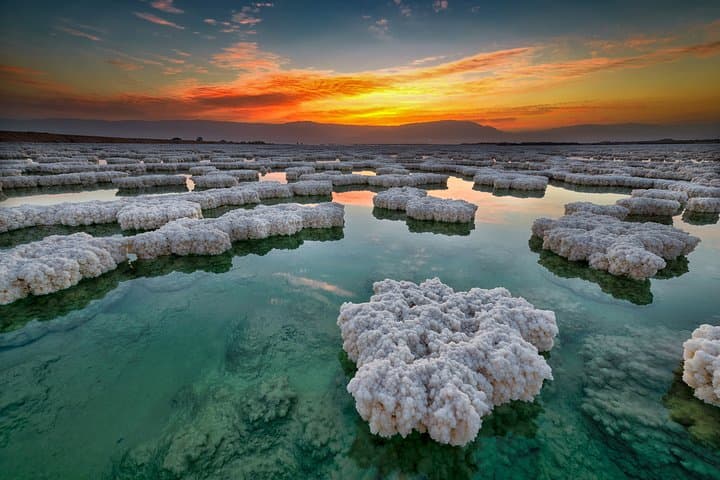
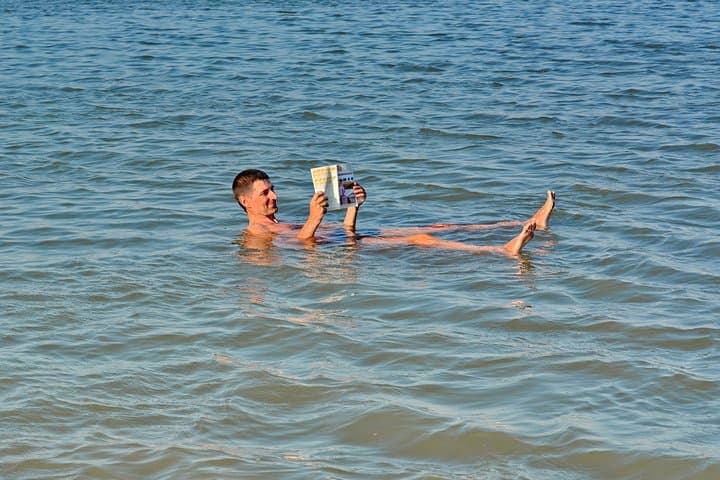
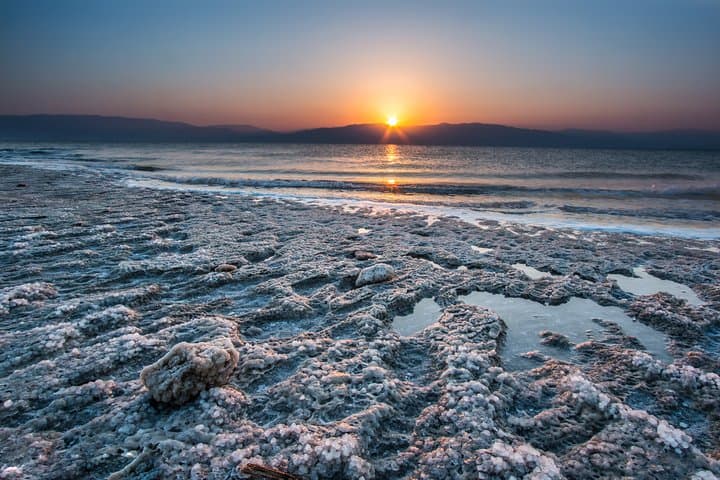
The morning sun flattens the desert as your private air-conditioned vehicle peels away from Aqaba, the Red Sea shrinking in the rearview while the road draws you north across 275 kilometres of ochre hills toward the Dead Sea. Arriving at the eastern shore around Sweimeh, the water sits lower than the land — the surface of the Dead Sea lies roughly 400 meters below sea level — and the shoreline feels otherworldly: mineral crusts sparkle, and the water’s density lifts bodies like a careful hand.
Verified experiences and guided adventures in the surrounding area.
Operated by Zaid Tours and Travel · Sweimeh, Madaba Governorate
The morning sun flattens the desert as your private air-conditioned vehicle peels away from Aqaba, the Red Sea shrinking in the rearview while the road draws you north across 275 kilometres of ochre hills toward the Dead Sea. Arriving at the eastern shore around Sweimeh, the water sits lower than the land — the surface of the Dead Sea lies roughly 400 meters below sea level — and the shoreline feels otherworldly: mineral crusts sparkle, and the water’s density lifts bodies like a careful hand.
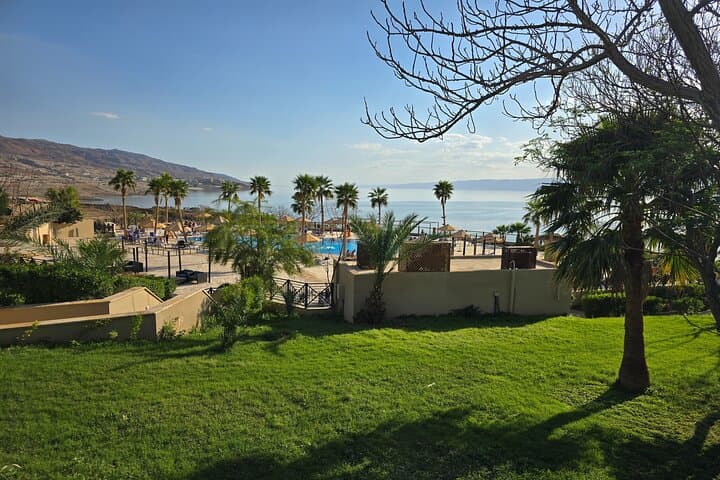
The Dead Sea’s geology is simple and extreme: high evaporation and mineral concentration leave a shallow, salt-heavy lake that supports no fish but supports a long cultural history. References to Sodom and Gomorrah appear in ancient texts, and since antiquity people have prized the mud and brine for therapeutic uses. Local culture around Sweimeh and Madaba Governorate combines Bedouin hospitality with resort services; modern hotels operate private beaches and spas that let visitors use showers and pools after floating.
Practically, expect 10 hours total for the round trip with roughly 3–3.5 hours driving each way and several hours at a beach/hotel site. Bring a swimsuit (required), sun protection, plenty of fresh water, and a change of clothes — towels and showers are provided at partnered hotels but having your own is convenient. Mud treatments and upgraded hotel access are optional and paid locally; lunch can be added between 13:00–15:00. Mobility-friendly but not strenuous, the experience centers on buoyancy, warm mineral air, and quiet shoreline time. Respect marked areas, rinse thoroughly after bathing, and plan travel time back to Aqaba to avoid late-night roads.
easy.
10 hours (approx.).
Light fitness; mostly seated time in vehicle with short walks on flat, sandy shorelines
The tour covers about 275 km; expect roughly 3–3.5 hours each way depending on stops and road conditions.
Yes—because of the high salt content people float easily; avoid swallowing water, keep eyes closed in the brine, and rinse off in showers provided at hotels if you feel any irritation.
No—Dead Sea mud scrubs and massages at the spa are optional and charged locally; hotel access and basic facilities may be included depending on your booking option.
Generally yes; the tour is listed as suitable for all fitness levels. Contact the operator ahead if you have mobility concerns to arrange accessible pick-up or shore access.
The Dead Sea region appears in ancient texts and was long valued for its mineral-rich mud; the southern Jordanian shore has been a trade and pilgrimage corridor for millennia.
Water diversion and mineral extraction have lowered the Dead Sea level; stick to managed beaches, avoid littering, and use hotel facilities to minimize local environmental impact.
Zaid Tours and Travel operates guided outdoor trips and adventures with an emphasis on safety, stewardship, and memorable experiences.
The morning sun flattens the desert as your private air-conditioned vehicle peels away from Aqaba, the Red Sea shrinking in the rearview while the road draws you north across 275 kilometres of ochre hills toward the Dead Sea. Arriving at the eastern shore around Sweimeh, the water sits lower than the land — the surface of the Dead Sea lies roughly 400 meters below sea level — and the shoreline feels otherworldly: mineral crusts sparkle, and the water’s density lifts bodies like a careful hand.
The morning sun flattens the desert as your private air-conditioned vehicle peels away from Aqaba, the Red Sea shrinking in the rearview while the road draws you north across 275 kilometres of ochre hills toward the Dead Sea. Arriving at the eastern shore around Sweimeh, the water sits lower than the land — the surface of the Dead Sea lies roughly 400 meters below sea level — and the shoreline feels otherworldly: mineral crusts sparkle, and the water’s density lifts bodies like a careful hand.
The Dead Sea’s geology is simple and extreme: high evaporation and mineral concentration leave a shallow, salt-heavy lake that supports no fish but supports a long cultural history. References to Sodom and Gomorrah appear in ancient texts, and since antiquity people have prized the mud and brine for therapeutic uses. Local culture around Sweimeh and Madaba Governorate combines Bedouin hospitality with resort services; modern hotels operate private beaches and spas that let visitors use showers and pools after floating.
Practically, expect 10 hours total for the round trip with roughly 3–3.5 hours driving each way and several hours at a beach/hotel site. Bring a swimsuit (required), sun protection, plenty of fresh water, and a change of clothes — towels and showers are provided at partnered hotels but having your own is convenient. Mud treatments and upgraded hotel access are optional and paid locally; lunch can be added between 13:00–15:00. Mobility-friendly but not strenuous, the experience centers on buoyancy, warm mineral air, and quiet shoreline time. Respect marked areas, rinse thoroughly after bathing, and plan travel time back to Aqaba to avoid late-night roads.