THE ADVENTURE COLLECTIVE® · Independent discovery and booking for outdoor travel

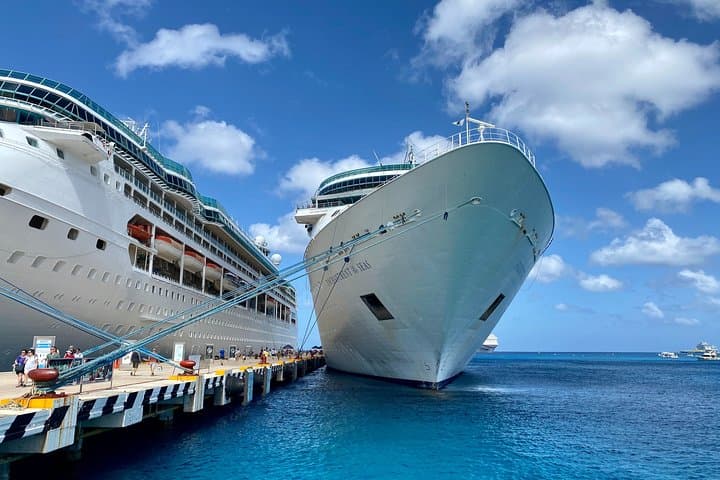
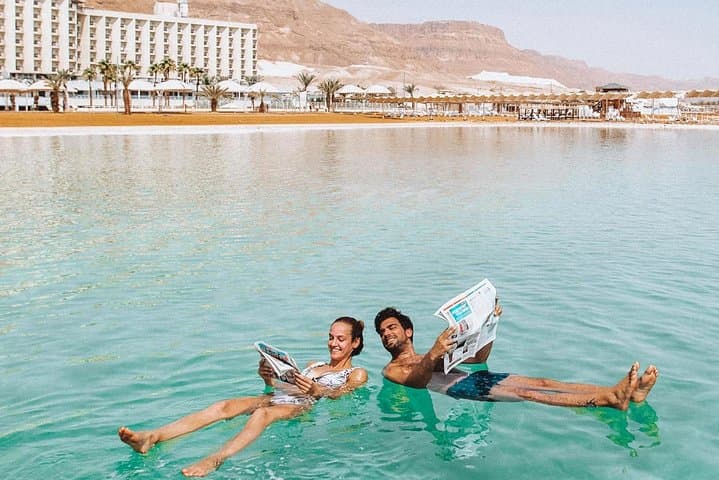
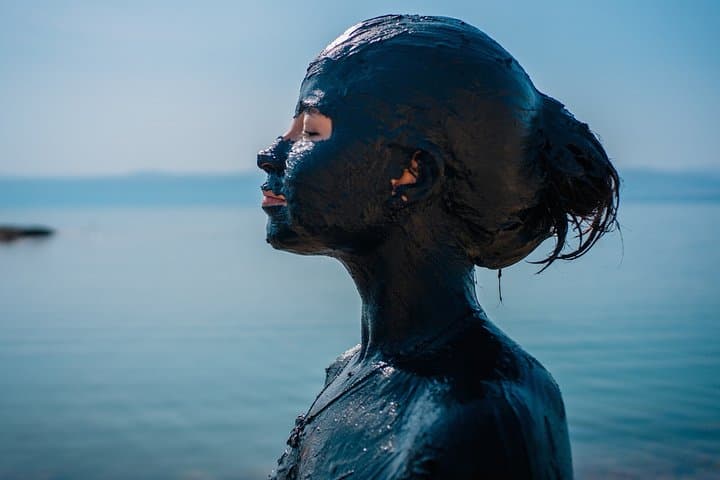
Short on time in port? This full-day private transfer from Aqaba delivers the Dead Sea experience—float in hypersaline water, smear therapeutic mud and enjoy a buffet lunch—then returns you to the ship on schedule.
Short on time in port? This full-day private transfer from Aqaba delivers the Dead Sea experience—float in hypersaline water, smear therapeutic mud and enjoy a buffet lunch—then returns you to the ship on schedule.
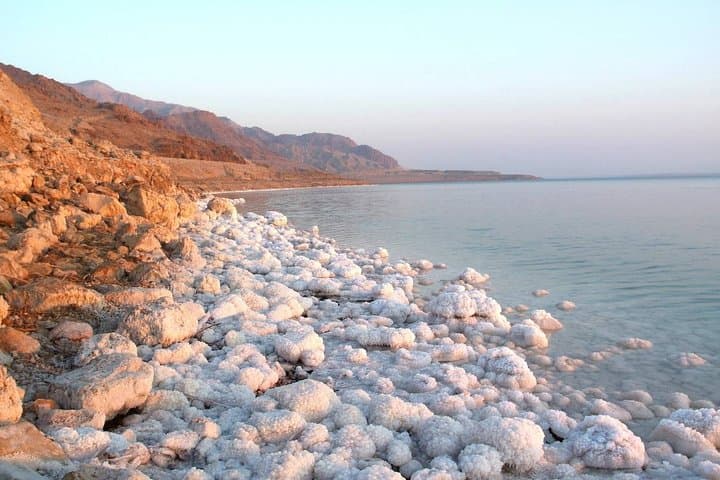
You arrive off the ship into Aqaba’s bright harbor and step into an air-conditioned vehicle that carries you up the King's Way toward the Dead Sea. The road peels away from red sandstone cliffs, then opens to a low plain; the water lies below—an impossible, glassy blue rimmed by white salt crusts that dare you to wade.
Verified experiences and guided adventures in the surrounding area.
Operated by The Jordanian Mappers · Dead Sea, Madaba Governorate
You arrive off the ship into Aqaba’s bright harbor and step into an air-conditioned vehicle that carries you up the King's Way toward the Dead Sea. The road peels away from red sandstone cliffs, then opens to a low plain; the water lies below—an impossible, glassy blue rimmed by white salt crusts that dare you to wade.
The Dead Sea sits at roughly 430 meters below sea level, the planet’s lowest exposed point. For millennia this lake has been a source of salt, medicinal mud and myth—Herod’s fortifications, Byzantine trade routes and modern balneotherapy all left their marks. Geologically it’s a terminal basin: water flows in but rarely out, concentrating minerals until the surface shimmers with density and salt bands.
Culturally, the shoreline has been an intersection of Bedouin livelihood, early Christian pilgrimage and contemporary spa tourism; small boutiques sell concentrated mineral creams that locals have repackaged for visitors. Expect a few minutes of guided orientation, a dedicated beach area with mud stations, and a buffet lunch before the return drive to Aqaba port.
Practical guidance: rinse cuts before entering—high salinity stings—and float on your back or let the buoyancy do the work. Wear water shoes to protect feet from sharp salt and use biodegradable sunscreen; electronics should stay dry or sealed. Time your visit to avoid the hottest midday hours in summer and leave yourself 30–45 minutes for changing and rinsing after the experience. This is an easy, sensory day trip that pairs geological wonder with low-effort relaxation.
easy.
6 hours.
Suitable for all fitness levels; involves short walks on flat beach and sitting time while floating.
No—the Dead Sea’s high salinity increases buoyancy so most people float easily on their backs without effort.
Most beach sites provide basic changing areas and showers, but bringing your own towel and quick-dry clothes is recommended.
Therapeutic mud is generally safe; avoid open wounds and keep mud out of eyes and mouth—rinse thoroughly afterward.
Expect a long one-day round trip—the itinerary is about six hours total including beach time; exact driving time varies with route and traffic.
The Dead Sea has been harvested for minerals since antiquity and appears in many biblical and classical texts; modern spa tourism began here in the 19th and 20th centuries.
Water levels have dropped dramatically from diversion and mineral extraction—use designated beaches, avoid disturbing salt pans and buy local products that follow sustainable sourcing.
The Jordanian Mappers operates guided outdoor trips and adventures with an emphasis on safety, stewardship, and memorable experiences.
You arrive off the ship into Aqaba’s bright harbor and step into an air-conditioned vehicle that carries you up the King's Way toward the Dead Sea. The road peels away from red sandstone cliffs, then opens to a low plain; the water lies below—an impossible, glassy blue rimmed by white salt crusts that dare you to wade.
You arrive off the ship into Aqaba’s bright harbor and step into an air-conditioned vehicle that carries you up the King's Way toward the Dead Sea. The road peels away from red sandstone cliffs, then opens to a low plain; the water lies below—an impossible, glassy blue rimmed by white salt crusts that dare you to wade.
The Dead Sea sits at roughly 430 meters below sea level, the planet’s lowest exposed point. For millennia this lake has been a source of salt, medicinal mud and myth—Herod’s fortifications, Byzantine trade routes and modern balneotherapy all left their marks. Geologically it’s a terminal basin: water flows in but rarely out, concentrating minerals until the surface shimmers with density and salt bands.
Culturally, the shoreline has been an intersection of Bedouin livelihood, early Christian pilgrimage and contemporary spa tourism; small boutiques sell concentrated mineral creams that locals have repackaged for visitors. Expect a few minutes of guided orientation, a dedicated beach area with mud stations, and a buffet lunch before the return drive to Aqaba port.
Practical guidance: rinse cuts before entering—high salinity stings—and float on your back or let the buoyancy do the work. Wear water shoes to protect feet from sharp salt and use biodegradable sunscreen; electronics should stay dry or sealed. Time your visit to avoid the hottest midday hours in summer and leave yourself 30–45 minutes for changing and rinsing after the experience. This is an easy, sensory day trip that pairs geological wonder with low-effort relaxation.