THE ADVENTURE COLLECTIVE® · Independent discovery and booking for outdoor travel

Get up close to South Africa’s fastest land mammal at De Wildt: a guided experience that pairs a cheetah run demonstration with broader carnivore conservation interpretation. Ideal for day-trippers from Pretoria.
Get up close to South Africa’s fastest land mammal at De Wildt: a guided experience that pairs a cheetah run demonstration with broader carnivore conservation interpretation. Ideal for day-trippers from Pretoria.
You step out of the air-conditioned vehicle into a scrubby veld where the light is sharp and every shadow seems to move. The guides—calm, practiced—lead the group along compacted service tracks toward the enclosure. Ahead, a cheetah lifts its head, measuring distance and wind; the animal reads the scene as surely as you study a map. The run is deliberate: handlers prepare, the cheetah stretches, and then, in a sudden ribbon of speed, it commits.
Verified experiences and guided adventures in the surrounding area.
Operated by MHLANGANISI TRAVEL AND TOURS · De Wildt, Gauteng
You step out of the air-conditioned vehicle into a scrubby veld where the light is sharp and every shadow seems to move. The guides—calm, practiced—lead the group along compacted service tracks toward the enclosure. Ahead, a cheetah lifts its head, measuring distance and wind; the animal reads the scene as surely as you study a map. The run is deliberate: handlers prepare, the cheetah stretches, and then, in a sudden ribbon of speed, it commits.
De Wildt sits on the edge of the Magaliesberg foothills, an area shaped by ancient quartzite ridges and gold-bearing geology. The reserve was established as part of conservation efforts to protect South Africa’s threatened carnivores; its work ties into larger historical efforts to preserve species after intense 20th-century declines. Guides explain captive-breeding history, reintroduction goals, and local community programs that fund education and catchment management.
Expect an accessible, interpretation-heavy visit rather than a safari-by-jeep. Walks take place on flat to gently rolling paths, with viewing platforms and secure enclosures. Hear vultures wing overhead and note how the grasslands themselves push back after fire—nature with agency.
Practical guidance: arrive early for the cheetah run demonstration when animals are most active; bring binoculars and a camera with a fast shutter speed; wear sturdy closed-toe shoes and sun protection; hydrate even on cooler days. Tours run in the morning and mid-afternoon; check the schedule for the cheetah run specifically. Respect distance rules, follow guides’ instructions, and avoid sudden movements near viewing areas. The experience combines raw speed with thoughtful conservation context—the kind of close encounter that informs as much as it thrills.
easy.
2–5 hours.
Suitable for most fitness levels; minimal walking on mostly flat terrain.
No—only specific sessions include the cheetah run; morning tours most often feature the demonstration, so check the schedule when booking.
Yes; the site and transport are wheelchair and stroller accessible, and walks are short and on level surfaces.
Photography is allowed from viewing areas; flash should be avoided and handlers’ instructions followed to prevent disturbing animals.
Tours run from about 90 minutes to 2 hours on-site; the full product lists a 5-hour duration including transport and other program elements, and bottled water is provided.
The centre grew from mid-20th-century captive-breeding and rehabilitation efforts to reduce human–carnivore conflict and rebuild vulnerable populations.
Programs focus on breeding, education, and community outreach; visitors’ fees often support habitat management and anti-poaching education.
MHLANGANISI TRAVEL AND TOURS operates guided outdoor trips and adventures with an emphasis on safety, stewardship, and memorable experiences.
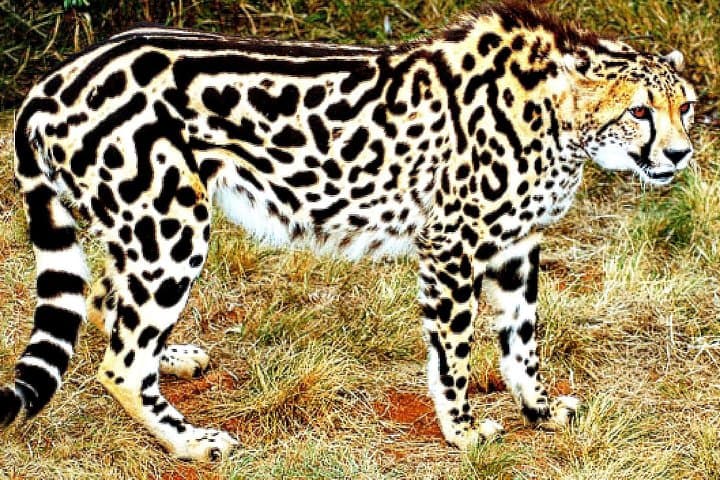
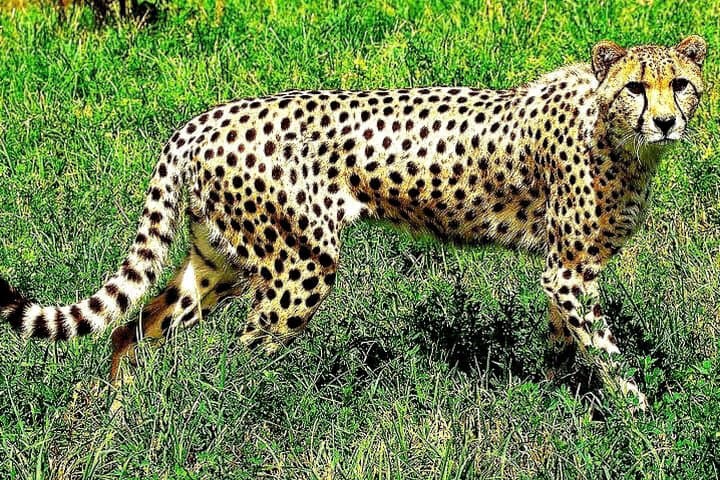
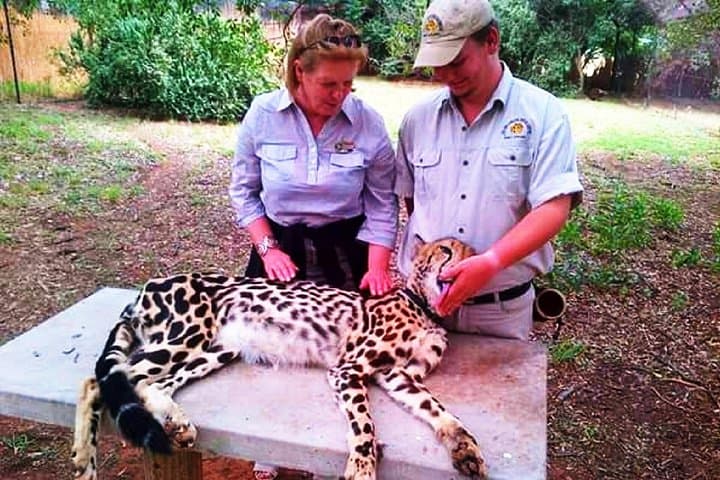
You step out of the air-conditioned vehicle into a scrubby veld where the light is sharp and every shadow seems to move. The guides—calm, practiced—lead the group along compacted service tracks toward the enclosure. Ahead, a cheetah lifts its head, measuring distance and wind; the animal reads the scene as surely as you study a map. The run is deliberate: handlers prepare, the cheetah stretches, and then, in a sudden ribbon of speed, it commits.
You step out of the air-conditioned vehicle into a scrubby veld where the light is sharp and every shadow seems to move. The guides—calm, practiced—lead the group along compacted service tracks toward the enclosure. Ahead, a cheetah lifts its head, measuring distance and wind; the animal reads the scene as surely as you study a map. The run is deliberate: handlers prepare, the cheetah stretches, and then, in a sudden ribbon of speed, it commits.
De Wildt sits on the edge of the Magaliesberg foothills, an area shaped by ancient quartzite ridges and gold-bearing geology. The reserve was established as part of conservation efforts to protect South Africa’s threatened carnivores; its work ties into larger historical efforts to preserve species after intense 20th-century declines. Guides explain captive-breeding history, reintroduction goals, and local community programs that fund education and catchment management.
Expect an accessible, interpretation-heavy visit rather than a safari-by-jeep. Walks take place on flat to gently rolling paths, with viewing platforms and secure enclosures. Hear vultures wing overhead and note how the grasslands themselves push back after fire—nature with agency.
Practical guidance: arrive early for the cheetah run demonstration when animals are most active; bring binoculars and a camera with a fast shutter speed; wear sturdy closed-toe shoes and sun protection; hydrate even on cooler days. Tours run in the morning and mid-afternoon; check the schedule for the cheetah run specifically. Respect distance rules, follow guides’ instructions, and avoid sudden movements near viewing areas. The experience combines raw speed with thoughtful conservation context—the kind of close encounter that informs as much as it thrills.