THE ADVENTURE COLLECTIVE® · Independent discovery and booking for outdoor travel

Spend an afternoon with a local party host exploring Berlin’s techno landmarks, street art and riverside hangouts before dancing at a daytime rave. Small groups, local anecdotes and a beer at the Späti make this an accessible introduction to the city’s underground scene.
Spend an afternoon with a local party host exploring Berlin’s techno landmarks, street art and riverside hangouts before dancing at a daytime rave. Small groups, local anecdotes and a beer at the Späti make this an accessible introduction to the city’s underground scene.
A late-afternoon beer at a Späti turns into a crawl through Berlin’s daylight underground: the Spree hisses at the riverbank while your guide — a professional partygoer — corrals the group and hands out the first cold drink.
Verified experiences and guided adventures in the surrounding area.
Operated by Blocklife030 · Berlin, Berlin
A late-afternoon beer at a Späti turns into a crawl through Berlin’s daylight underground: the Spree hisses at the riverbank while your guide — a professional partygoer — corrals the group and hands out the first cold drink.
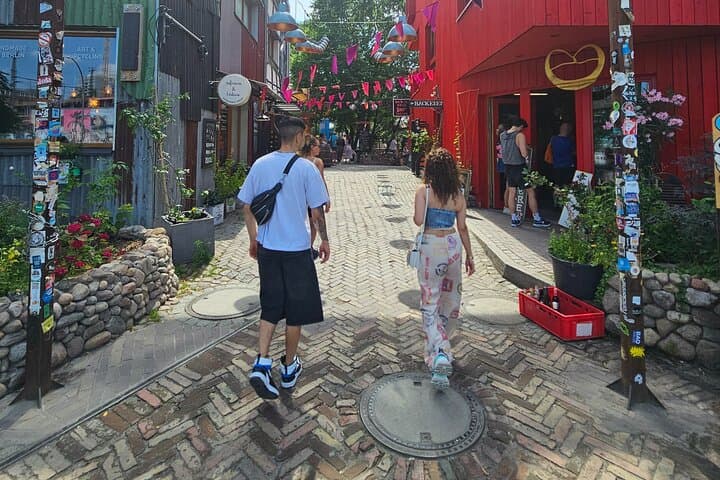
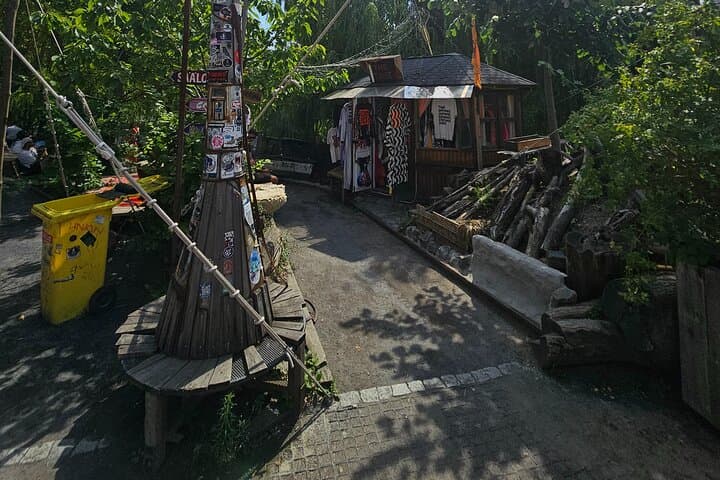
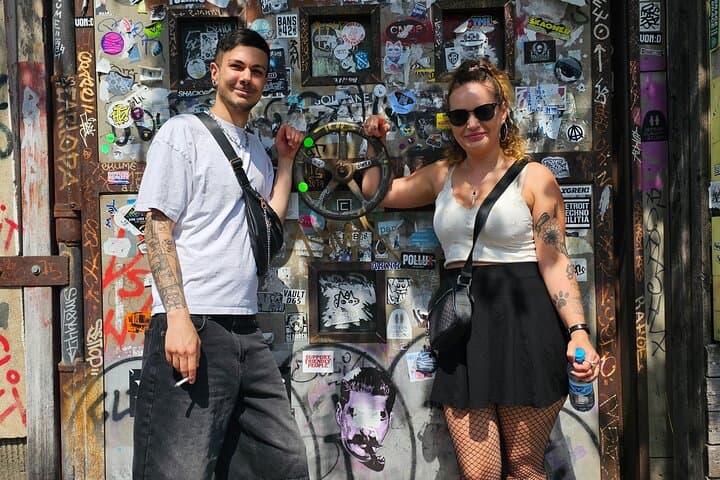
The walk threads through Mitte past Tresor and the graffiti-pocked facades of RAW-Gelände, where hard-edged electronic history rubs shoulders with improvised street art. Holzmarkt 25 offers a breather on the water; the Spree dares you to slow down as concrete, murals and the distant thump of bass paint a local scene that grew from post‑Wall DIY club culture, industrial spaces repurposed into sound systems and safe havens for experimental music.
You’ll hear stories about Tresor, Berghain’s precursors and how daytime raves became a response to city life’s shifting rhythms. Expect a mix of cultural context and first‑hand anecdotes, then the tour culminates at a daytime rave — entry fee not included (typically €10–20) — where dancers keep moving until the light fades.
Practicalities: the tour lasts about three hours, runs in small shared groups (max ~10), and meets near the KitKat Club Späti. Public transit connects all stops; wear comfortable shoes and carry ID. The experience is social and low‑impact physically, but not recommended for pregnant travelers or those with serious heart conditions. Bring cash for entrance and drinks, and plan for loud music — earplugs help. This is a compact, culture‑heavy urban outing for people who want history, street art and a safe, curated entry into Berlin’s daytime techno circuit.
easy.
3 hours.
Low fitness required; be able to stand and walk up to a few kilometers over varied urban surfaces.
The shared tour runs about three hours, including the riverside stop, street-art walk and the daytime rave finale.
No—club or rave entry is typically extra, roughly €10–20 depending on the venue and event.
The meeting point is at the late‑purchase opposite the KitKat Club (a local Späti); your guide will be waiting with the free welcome drink.
The tour is physically easy and open to most adults, but it’s not recommended for pregnant travelers or those with serious cardiovascular conditions due to loud music and crowded spaces.
Berlin’s techno scene grew from post‑1989 club culture when warehouses and power plants became clubs like Tresor, birthing a DIY electronic scene that later influenced global nightlife.
Respect graffiti as living culture—avoid adding unauthorized tags; carry out trash and use public bins to help keep riverside spaces clean.
Blocklife030 operates guided outdoor trips and adventures with an emphasis on safety, stewardship, and memorable experiences.
A late-afternoon beer at a Späti turns into a crawl through Berlin’s daylight underground: the Spree hisses at the riverbank while your guide — a professional partygoer — corrals the group and hands out the first cold drink.
A late-afternoon beer at a Späti turns into a crawl through Berlin’s daylight underground: the Spree hisses at the riverbank while your guide — a professional partygoer — corrals the group and hands out the first cold drink.
The walk threads through Mitte past Tresor and the graffiti-pocked facades of RAW-Gelände, where hard-edged electronic history rubs shoulders with improvised street art. Holzmarkt 25 offers a breather on the water; the Spree dares you to slow down as concrete, murals and the distant thump of bass paint a local scene that grew from post‑Wall DIY club culture, industrial spaces repurposed into sound systems and safe havens for experimental music.
You’ll hear stories about Tresor, Berghain’s precursors and how daytime raves became a response to city life’s shifting rhythms. Expect a mix of cultural context and first‑hand anecdotes, then the tour culminates at a daytime rave — entry fee not included (typically €10–20) — where dancers keep moving until the light fades.
Practicalities: the tour lasts about three hours, runs in small shared groups (max ~10), and meets near the KitKat Club Späti. Public transit connects all stops; wear comfortable shoes and carry ID. The experience is social and low‑impact physically, but not recommended for pregnant travelers or those with serious heart conditions. Bring cash for entrance and drinks, and plan for loud music — earplugs help. This is a compact, culture‑heavy urban outing for people who want history, street art and a safe, curated entry into Berlin’s daytime techno circuit.