THE ADVENTURE COLLECTIVE® · Independent discovery and booking for outdoor travel

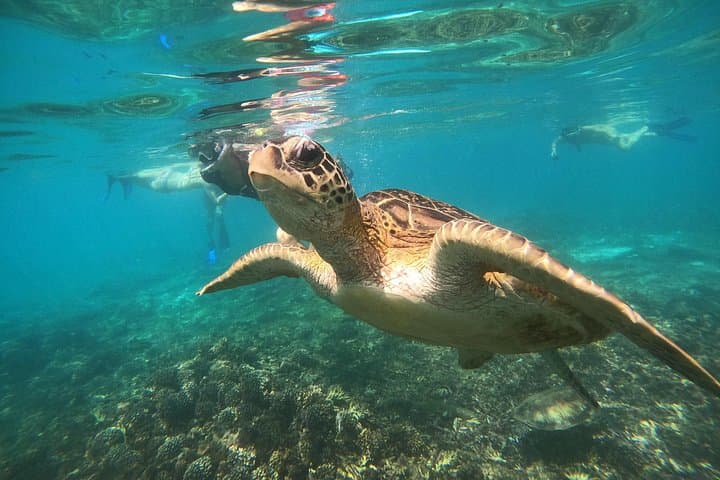
A half-day snorkel from Seeb Marina to Daymaniyat Islands that visits two reef sites and a white-sand cay. Expect turtles, rays and coral gardens; boats supply equipment and light snacks.
A half-day snorkel from Seeb Marina to Daymaniyat Islands that visits two reef sites and a white-sand cay. Expect turtles, rays and coral gardens; boats supply equipment and light snacks.
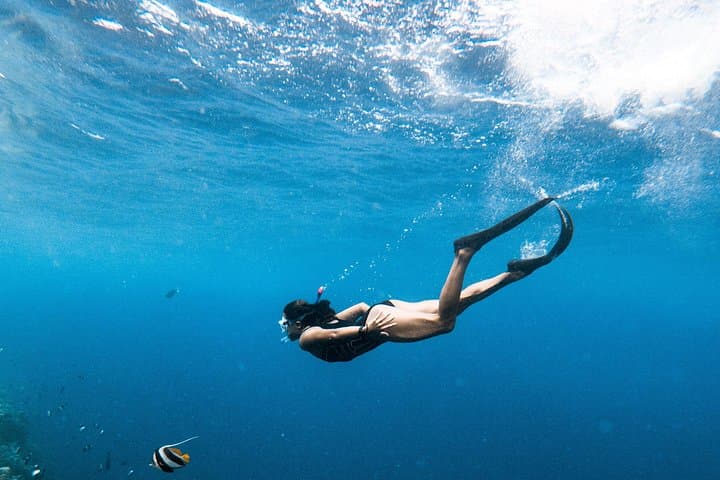
The boat slips away from Seeb Marina and the city’s glass-and-concrete edge falls behind as the Gulf opens up. Salt spray lifts off the bow, and within half an hour the water changes color — from pale blue to the deep turquoise that frames the Daymaniyat Islands. Divers and snorkelers don masks on deck; children are fitted with bright life jackets; the sea invites you forward.
Verified experiences and guided adventures in the surrounding area.
Operated by Pearl Dimaniyat Diving Center · Seeb, Muscat Governorate
The boat slips away from Seeb Marina and the city’s glass-and-concrete edge falls behind as the Gulf opens up. Salt spray lifts off the bow, and within half an hour the water changes color — from pale blue to the deep turquoise that frames the Daymaniyat Islands. Divers and snorkelers don masks on deck; children are fitted with bright life jackets; the sea invites you forward.
The Daymaniyat Islands are a protected archipelago off Muscat, known locally for their coral gardens, nesting seabirds and seasonal visits from whale sharks. Geologically they are low limestone and coral formations shaped by currents that push nutrient-rich water across reefs, which in turn feed turtles, rays and reef fish. Culturally the islands are tied to Omani coastal life — traditional fishing communities long respected these shoals as both bounty and sanctuary.
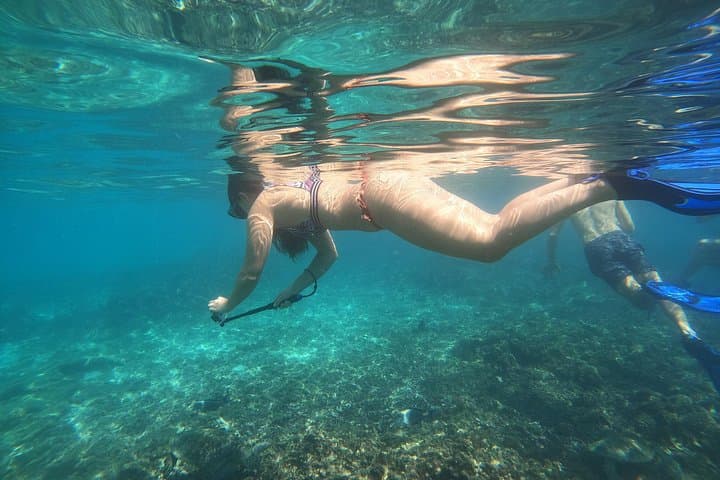
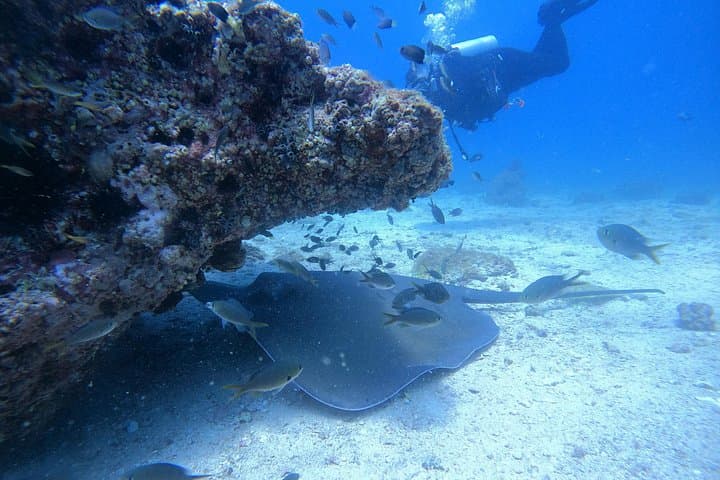
On this typical half-day outing guests visit two snorkeling sites and get beach time on a white-sand cay. You should expect shallow coral plates, pockets of surge, and swim-throughs where eagle rays and moray eels appear around deeper bommies. Guides brief on reef-friendly behavior, life-jacket use for non-swimmers and local safety procedures.
Practicalities: meet at Seeb Marina (behind the fish market), bring reef-safe sunscreen, a towel and a light wind layer for the return. Boats usually provide masks, snorkels and basic snacks and water, but fragile reefs mean no touching or standing on coral. Timing trips for morning calms gives the best visibility; the islands are busiest in high season and subject to reserve regulations.
easy.
4–5 hours.
Suitable for general fitness; children from age 3 can join with adult supervision; non-swimmers can participate with lifejackets.
No — life jackets are provided and required for non-swimmers and children; however, basic comfort in the water improves the experience.
Common sightings include green turtles, rays (including eagle rays), reef fish and occasionally larger visitors like whale sharks during season.
The meeting point is at the Seeb Marina jetty behind the fish market; look for the operator’s boat (ask for Arif’s boat if unsure).
Yes — boats supply masks, snorkels and life jackets as part of the trip; you can bring your own fitted mask if preferred.
Declared a natural reserve to protect nesting seabirds and marine life, the islands have long been recognized by Omani fishers as important breeding grounds.
The islands are a restricted reserve with rules on anchoring, fishing and visitor numbers; visitors are expected to avoid touching coral and to use reef-safe products.
Pearl Dimaniyat Diving Center operates guided outdoor trips and adventures with an emphasis on safety, stewardship, and memorable experiences.
The boat slips away from Seeb Marina and the city’s glass-and-concrete edge falls behind as the Gulf opens up. Salt spray lifts off the bow, and within half an hour the water changes color — from pale blue to the deep turquoise that frames the Daymaniyat Islands. Divers and snorkelers don masks on deck; children are fitted with bright life jackets; the sea invites you forward.
The boat slips away from Seeb Marina and the city’s glass-and-concrete edge falls behind as the Gulf opens up. Salt spray lifts off the bow, and within half an hour the water changes color — from pale blue to the deep turquoise that frames the Daymaniyat Islands. Divers and snorkelers don masks on deck; children are fitted with bright life jackets; the sea invites you forward.
The Daymaniyat Islands are a protected archipelago off Muscat, known locally for their coral gardens, nesting seabirds and seasonal visits from whale sharks. Geologically they are low limestone and coral formations shaped by currents that push nutrient-rich water across reefs, which in turn feed turtles, rays and reef fish. Culturally the islands are tied to Omani coastal life — traditional fishing communities long respected these shoals as both bounty and sanctuary.
On this typical half-day outing guests visit two snorkeling sites and get beach time on a white-sand cay. You should expect shallow coral plates, pockets of surge, and swim-throughs where eagle rays and moray eels appear around deeper bommies. Guides brief on reef-friendly behavior, life-jacket use for non-swimmers and local safety procedures.
Practicalities: meet at Seeb Marina (behind the fish market), bring reef-safe sunscreen, a towel and a light wind layer for the return. Boats usually provide masks, snorkels and basic snacks and water, but fragile reefs mean no touching or standing on coral. Timing trips for morning calms gives the best visibility; the islands are busiest in high season and subject to reserve regulations.