THE ADVENTURE COLLECTIVE® · Independent discovery and booking for outdoor travel

Float above gardens of coral and hand-sized turtles in Oman’s Daymaniyat Islands, a nine-island marine reserve reachable from Muscat in a short boat ride. This four-hour snorkeling trip pairs easy water access with strict conservation rules and spectacular visibility.
Float above gardens of coral and hand-sized turtles in Oman’s Daymaniyat Islands, a nine-island marine reserve reachable from Muscat in a short boat ride. This four-hour snorkeling trip pairs easy water access with strict conservation rules and spectacular visibility.
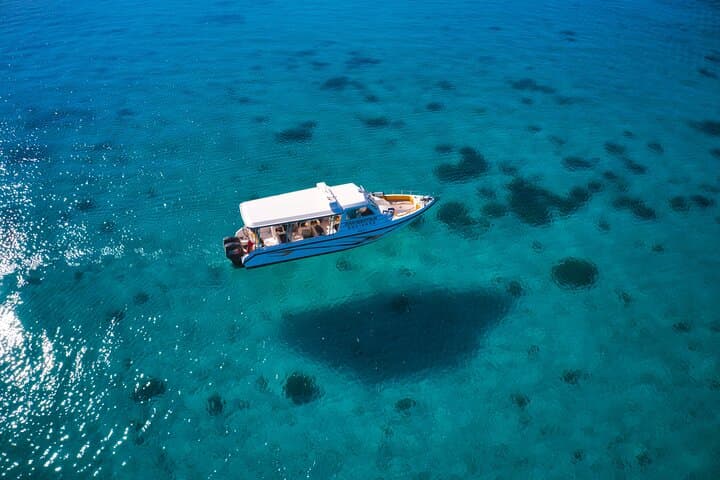
The morning light strips the sea down to glass and cobalt as the boat pulls away from the marina — Muscat shrinking into a line of heat shimmer while the Daymaniyat Islands hang on the horizon like scattered jewels. Wind picks up a clean, saline scent and the engine’s steady thrum becomes part of the rhythm; when the boat reaches the reserve, the water answers by flickering with shoals of silver fish and the slow, deliberate glide of turtles.
Verified experiences and guided adventures in the surrounding area.
Operated by WikiTours Adventures · Muscat, Muscat Governorate
The morning light strips the sea down to glass and cobalt as the boat pulls away from the marina — Muscat shrinking into a line of heat shimmer while the Daymaniyat Islands hang on the horizon like scattered jewels. Wind picks up a clean, saline scent and the engine’s steady thrum becomes part of the rhythm; when the boat reaches the reserve, the water answers by flickering with shoals of silver fish and the slow, deliberate glide of turtles.
A cluster of nine uninhabited islands, Daymaniyat is Oman’s most accessible marine reserve. The archipelago sits on an uplifted carbonate platform formed by ancient coral growth and tectonic nudges; the result is a patchwork of reefs, channels and rocky islets that shelter corals and reefs in surprisingly clear, shallow water. The islands’ protection dates to the early 1990s, reflecting growing national interest in preserving Oman’s coastal biodiversity and the nesting beaches used by green and hawksbill turtles.
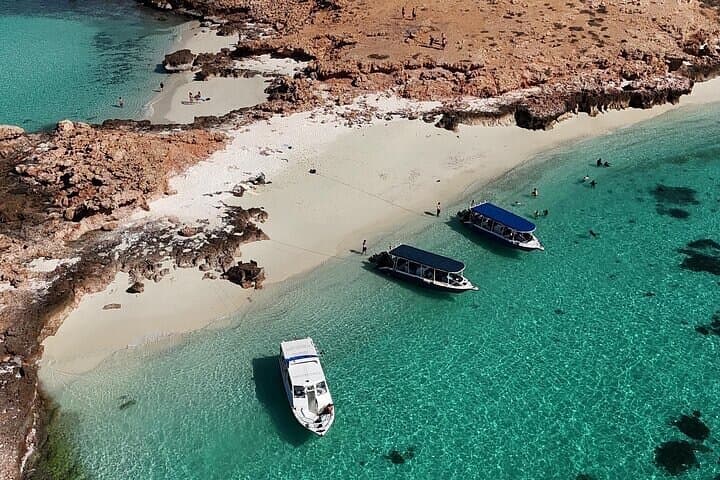
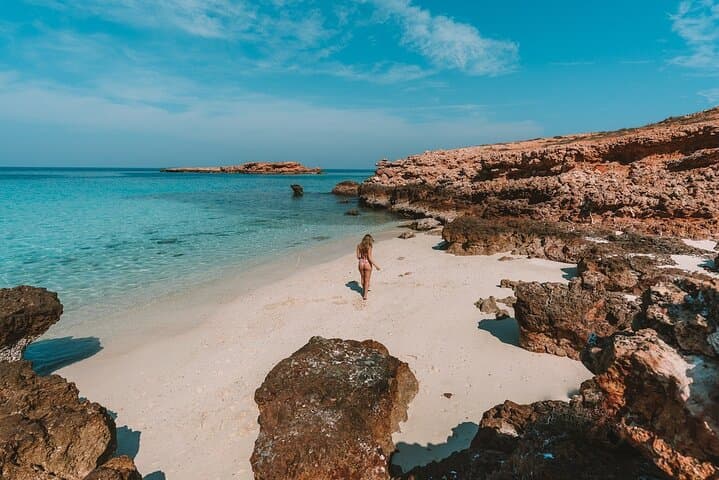
Local fishing villages and coastal forts tell the human side: this stretch of sea has long sustained communities through artisanal fishing and boatbuilding. Today, small tour operators work with reserve rules that limit landings in summer months to protect turtle nesting and coral recovery. Between November and April, brief beach landings are allowed — a chance to climb a low island ridge for an austere, wind-carved panorama that frames the reef below.
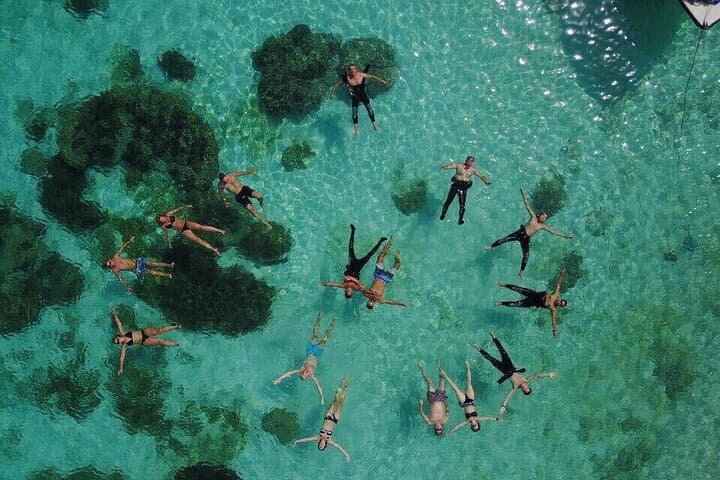
On the surface, snorkeling feels immediate and elemental: mask on, the ocean draws you in and the current toys with you like a curious animal. Visibility in calm conditions can exceed 15 meters; expect bommies of stony coral, pockets of branching coral, and colorful reef fish — angelfish, parrotfish and triggerfish are common — while larger visitors such as green turtles move with patient authority.
Practical edge: trips run roughly four hours from marina departure to return, typically including gear, guide, snacks and short swim stops. Landings on beaches are season-limited (Nov–Apr); when beaches are off-limits you’ll stay aboard and snorkel from the boat. The reserve is exposed to wind in summer; choppier conditions mean stronger currents and reduced visibility — plan early-morning departures, bring reef-safe sunscreen, and consider seasickness prevention.
If you go, treat this place with the restraint required of a protected area: avoid touching coral, keep a respectful distance from turtles, and follow guide instructions on landings and anchor placement. Daymaniyat gives the reward of clear water and uncomplicated wildlife encounters — but only if the rules are part of the experience.
moderate.
4 hours.
Comfortable swimming ability and basic snorkeling skills; suitable for most fitness levels but expect boat transfers and short swims.
Beach landings are allowed from November 1 to April 30; from May through October landings are restricted to protect turtle nesting and reef recovery.
Yes — the trip includes snorkeling kits, masks and fins; you may opt to bring your own mask for a better fit.
Trips are suitable for most fitness levels; children should be comfortable in water and accompanied by an adult, and guides will advise on safe swim zones.
Expect colorful reef fish, parrotfish, surgeonfish and regular sightings of green and hawksbill turtles; seabirds roost on the islets.
Boat time varies by departure marina and sea conditions but typically ranges from 30 to 60 minutes each way.
Operators cancel in rough seas or high winds for safety; they often allow full refunds if canceled at least 24 hours in advance or in bad weather.
The Daymaniyat Islands have been used for centuries by coastal fishermen; the reserve status dates to conservation efforts in the late 20th century to protect nesting turtles and reef habitat.
The islands are a designated marine reserve with seasonal access rules and limits on visitor numbers to protect nesting turtles and fragile coral; follow guide directions to reduce impact.
WikiTours Adventures operates guided outdoor trips and adventures with an emphasis on safety, stewardship, and memorable experiences.
The morning light strips the sea down to glass and cobalt as the boat pulls away from the marina — Muscat shrinking into a line of heat shimmer while the Daymaniyat Islands hang on the horizon like scattered jewels. Wind picks up a clean, saline scent and the engine’s steady thrum becomes part of the rhythm; when the boat reaches the reserve, the water answers by flickering with shoals of silver fish and the slow, deliberate glide of turtles.
The morning light strips the sea down to glass and cobalt as the boat pulls away from the marina — Muscat shrinking into a line of heat shimmer while the Daymaniyat Islands hang on the horizon like scattered jewels. Wind picks up a clean, saline scent and the engine’s steady thrum becomes part of the rhythm; when the boat reaches the reserve, the water answers by flickering with shoals of silver fish and the slow, deliberate glide of turtles.
A cluster of nine uninhabited islands, Daymaniyat is Oman’s most accessible marine reserve. The archipelago sits on an uplifted carbonate platform formed by ancient coral growth and tectonic nudges; the result is a patchwork of reefs, channels and rocky islets that shelter corals and reefs in surprisingly clear, shallow water. The islands’ protection dates to the early 1990s, reflecting growing national interest in preserving Oman’s coastal biodiversity and the nesting beaches used by green and hawksbill turtles.
Local fishing villages and coastal forts tell the human side: this stretch of sea has long sustained communities through artisanal fishing and boatbuilding. Today, small tour operators work with reserve rules that limit landings in summer months to protect turtle nesting and coral recovery. Between November and April, brief beach landings are allowed — a chance to climb a low island ridge for an austere, wind-carved panorama that frames the reef below.
On the surface, snorkeling feels immediate and elemental: mask on, the ocean draws you in and the current toys with you like a curious animal. Visibility in calm conditions can exceed 15 meters; expect bommies of stony coral, pockets of branching coral, and colorful reef fish — angelfish, parrotfish and triggerfish are common — while larger visitors such as green turtles move with patient authority.
Practical edge: trips run roughly four hours from marina departure to return, typically including gear, guide, snacks and short swim stops. Landings on beaches are season-limited (Nov–Apr); when beaches are off-limits you’ll stay aboard and snorkel from the boat. The reserve is exposed to wind in summer; choppier conditions mean stronger currents and reduced visibility — plan early-morning departures, bring reef-safe sunscreen, and consider seasickness prevention.
If you go, treat this place with the restraint required of a protected area: avoid touching coral, keep a respectful distance from turtles, and follow guide instructions on landings and anchor placement. Daymaniyat gives the reward of clear water and uncomplicated wildlife encounters — but only if the rules are part of the experience.