THE ADVENTURE COLLECTIVE® · Independent discovery and booking for outdoor travel

Combine Dayak cultural immersion with river-based wildlife encounters on a six-day journey from Pangkalan Bun into the heart of Tanjung Puting. Expect longhouse ceremonies, klotok nights, orangutan feedings, and guided forest treks.
Combine Dayak cultural immersion with river-based wildlife encounters on a six-day journey from Pangkalan Bun into the heart of Tanjung Puting. Expect longhouse ceremonies, klotok nights, orangutan feedings, and guided forest treks.
A wooden klotok glides out of Kumai at dawn, the Sekonyer River bending like a slow-moving story. Mist lifts off the black water and the rain forest leans toward the wake—branches dipping as if to whisper directions. By midmorning you hear drums from a longhouse upriver; by late afternoon an orangutan watches from a tall rattan vine.
Verified experiences and guided adventures in the surrounding area.
Operated by lookorangutan · Pangkalan Bun, Central Kalimantan
A wooden klotok glides out of Kumai at dawn, the Sekonyer River bending like a slow-moving story. Mist lifts off the black water and the rain forest leans toward the wake—branches dipping as if to whisper directions. By midmorning you hear drums from a longhouse upriver; by late afternoon an orangutan watches from a tall rattan vine.
This six-day circuit pairs two distinct Borneo experiences: deep cultural time with the Dayak Tomun in Lamandau Regency and a wildlife-focused passage through Tanjung Puting National Park. The landscape shifts from lowland peat swamp and nipah palm along the Sekonyer to mixed dipterocarp forest where Camp Leakey and Pondok Tanggui run orangutan feeding programs. Dayak longhouses and ritual sandung (burial houses) speak to a centuries-old riverine culture shaped by sago, rice wine, and river trade.
Expect simple comforts: overnight stays in a communal longhouse and on a wooden klotok with mattresses, mosquito nets and shared facilities. The itinerary profiles pre-dawn hill walks for sunrise, village rituals including the Bagondang ceremony, river cruises, guided forest treks, and timed orangutan feedings (Pondok Tanggui morning, Tanjung Harapan afternoon).
Practical guidance: pack light, bring a reliable rain jacket and insect protection, and be prepared for slippery boardwalks and steep short climbs. Respect Dayak customs—ask before photographing rituals—and carry cash for small village donations and ranger fees. Timing your trip in the dry months reduces river debris and improves sightings, but the forest is lively year-round. This is travel that asks for patience: slower movement, quieter voices, and the reward of close encounters with Borneo’s wildlife and living culture.
moderate.
6 days.
Suitable for travelers in average fitness—comfortable boarding small boats, short hikes (steep or slippery in places), and multi-day travel with basic accommodations.
Pondok Tanggui typically has a morning feeding around 09:00 and Tanjung Harapan an afternoon feeding around 15:00; schedules can change, so follow guide instructions.
Yes—accommodations are basic but accessible; however, long boat rides and early starts may be tiring, and those with serious mobility limits should check specifics with the operator.
Standard travel vaccines plus tetanus and hepatitis A are advised; check malaria prophylaxis with a travel clinic and bring oral rehydration salts and basic first-aid supplies.
Dress modestly, ask permission before photos, accept ceremonial offerings respectfully, and follow your host’s lead—small gifts or contributions to village projects are appreciated.
Dayak Tomun communities have lived along the Lamandau and Sekonyer rivers for generations; longhouses and sandung reflect ancestral social structures and river-based livelihoods.
Tanjung Puting operates rehabilitation centers (Camp Leakey, Pondok Tanggui) that reintroduce ex-captive orangutans and support local reforestation—visitor fees and donations fund these efforts and ranger patrols.
lookorangutan operates guided outdoor trips and adventures with an emphasis on safety, stewardship, and memorable experiences.
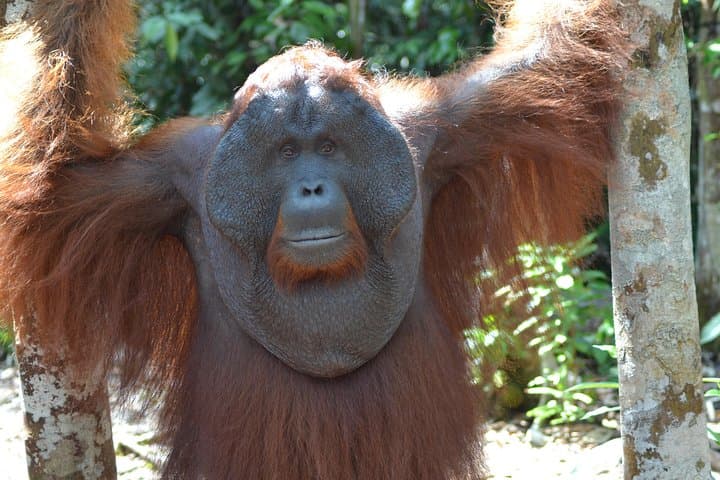
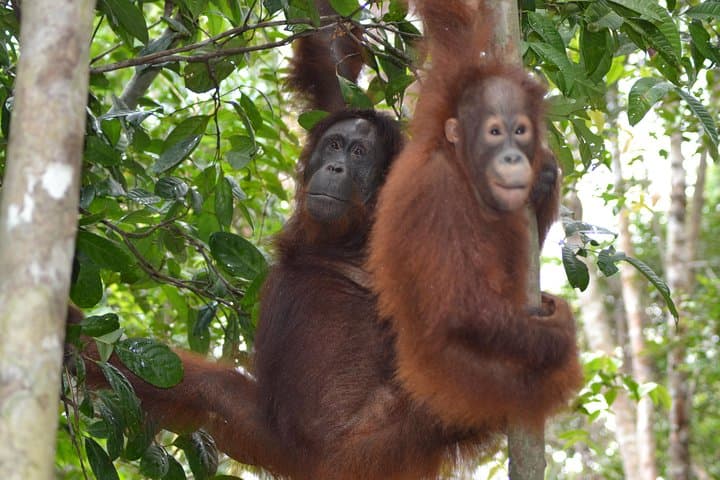
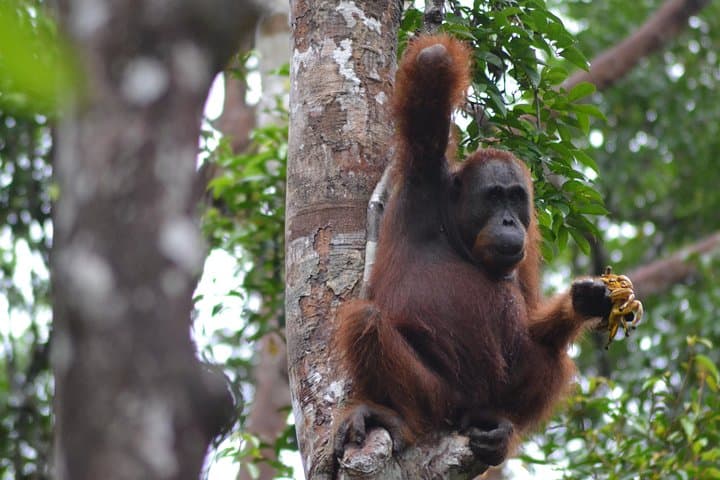
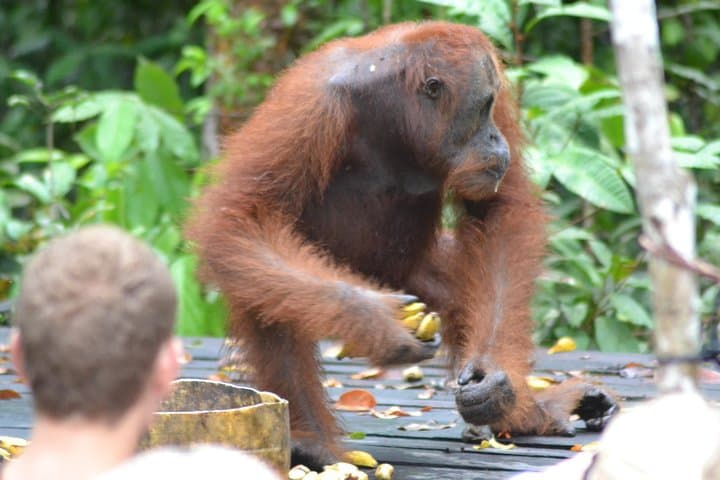
A wooden klotok glides out of Kumai at dawn, the Sekonyer River bending like a slow-moving story. Mist lifts off the black water and the rain forest leans toward the wake—branches dipping as if to whisper directions. By midmorning you hear drums from a longhouse upriver; by late afternoon an orangutan watches from a tall rattan vine.
A wooden klotok glides out of Kumai at dawn, the Sekonyer River bending like a slow-moving story. Mist lifts off the black water and the rain forest leans toward the wake—branches dipping as if to whisper directions. By midmorning you hear drums from a longhouse upriver; by late afternoon an orangutan watches from a tall rattan vine.
This six-day circuit pairs two distinct Borneo experiences: deep cultural time with the Dayak Tomun in Lamandau Regency and a wildlife-focused passage through Tanjung Puting National Park. The landscape shifts from lowland peat swamp and nipah palm along the Sekonyer to mixed dipterocarp forest where Camp Leakey and Pondok Tanggui run orangutan feeding programs. Dayak longhouses and ritual sandung (burial houses) speak to a centuries-old riverine culture shaped by sago, rice wine, and river trade.
Expect simple comforts: overnight stays in a communal longhouse and on a wooden klotok with mattresses, mosquito nets and shared facilities. The itinerary profiles pre-dawn hill walks for sunrise, village rituals including the Bagondang ceremony, river cruises, guided forest treks, and timed orangutan feedings (Pondok Tanggui morning, Tanjung Harapan afternoon).
Practical guidance: pack light, bring a reliable rain jacket and insect protection, and be prepared for slippery boardwalks and steep short climbs. Respect Dayak customs—ask before photographing rituals—and carry cash for small village donations and ranger fees. Timing your trip in the dry months reduces river debris and improves sightings, but the forest is lively year-round. This is travel that asks for patience: slower movement, quieter voices, and the reward of close encounters with Borneo’s wildlife and living culture.