THE ADVENTURE COLLECTIVE® · Independent discovery and booking for outdoor travel

Launch from Muscat for a full-day expedition to the Daymaniyat Islands: clear water, 22 dive sites, coral gardens, and regular turtle encounters. This guide covers what to expect, what to bring, and how to get the most from a day of diving or snorkeling in one of Oman’s most protected marine reserves.
Launch from Muscat for a full-day expedition to the Daymaniyat Islands: clear water, 22 dive sites, coral gardens, and regular turtle encounters. This guide covers what to expect, what to bring, and how to get the most from a day of diving or snorkeling in one of Oman’s most protected marine reserves.
Salt air and the click of tank valves set the tempo as the boat slips away from Muscat’s coast toward a scatter of rocky islets that seem to rise from the Arabian Sea.
Verified experiences and guided adventures in the surrounding area.
Operated by Pearl Dimaniyat Diving Center · Muscat, Muscat Governorate
Salt air and the click of tank valves set the tempo as the boat slips away from Muscat’s coast toward a scatter of rocky islets that seem to rise from the Arabian Sea.
The Daymaniyat Islands Nature Reserve feels alive: currents pushing you gently across coral gardens, reef walls that hold pockets of sunlight, and turtles that patrol shallow flats like slow-moving guardians. With 22 mapped dive sites, each drop reveals different terrain—bombora ledges, sloping coral ribs, and sandy gutters where leopard sharks and stingrays wait.
Geologically the islands are compact carbonate outcrops perched on the Arabian shelf; biologically they’ve become one of Oman's premier marine refuges and an important nesting ground for green and hawksbill turtles. The local coastal communities around Muscat have long relied on these waters for fish and seasonal work, and modern conservation measures now control access—permits and limits keep reef traffic lower than many tourist hotspots.
Practically, trips run as full-day excursions (roughly 5–6 hours), with multiple snorkel and dive stops, equipment provided, and permits usually included. Expect a 30–60 minute boat ride depending on sea state; mornings are calmer and give the best visibility. Beginners can try introductory dives while certified divers can explore deeper gardens and small walls. Bring reef-safe sunscreen, a certified log or ID if you’re a diver, motion-sickness meds if you’re prone, and a sense of patience—the islands reward those who move slowly and watch closely.
moderate.
5–6 hours.
Basic swimming ability and comfort in open water; able to climb a ladder and move around a boat deck.
No—operators typically run both snorkel options and introductory 'try dives' for beginners; certified divers should bring their card for deeper dives.
Most trips are about 30–60 minutes offshore depending on the launch point and sea conditions; operators will advise exact times at booking.
Common sightings include green and hawksbill turtles, stingrays, moray eels, small reef sharks like leopard sharks, and colorful reef fishes around coral gardens.
Yes—the Daymaniyat Islands are a protected reserve; reputable operators include permits and follow visitor limits and rules to minimize impact.
The islands have long been part of local fishing routes off Muscat; more recently they were designated a nature reserve to protect nesting turtles and reefs.
Daymaniyat is a regulated reserve—tour operators use permits and visitor limits to reduce reef impact; avoid anchoring on coral and follow guide instructions.
Pearl Dimaniyat Diving Center operates guided outdoor trips and adventures with an emphasis on safety, stewardship, and memorable experiences.
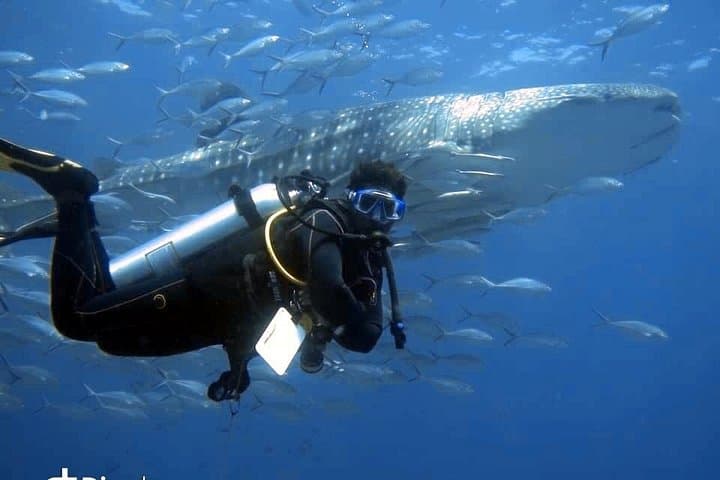
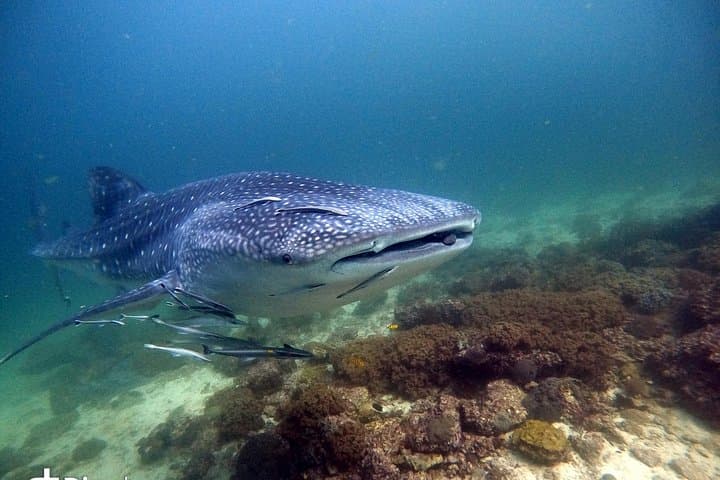
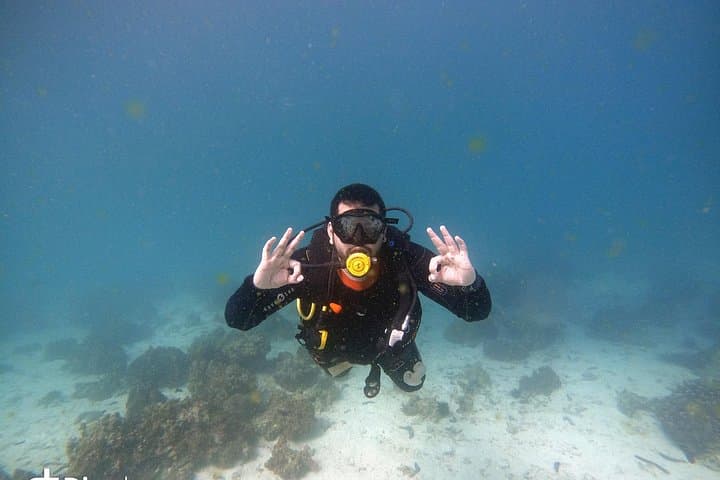
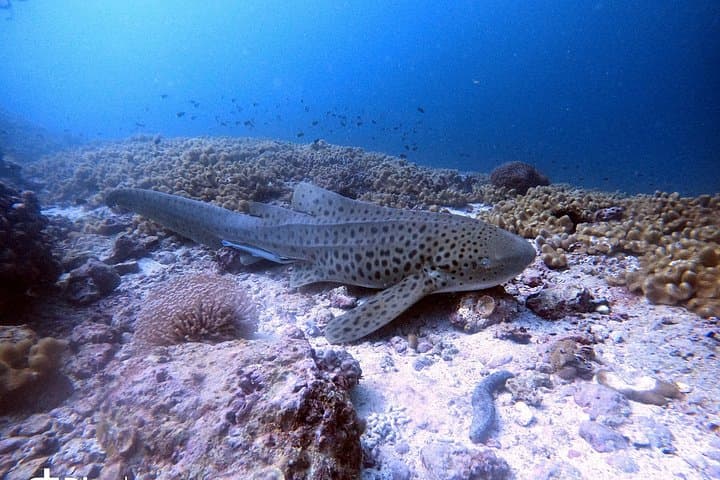
Salt air and the click of tank valves set the tempo as the boat slips away from Muscat’s coast toward a scatter of rocky islets that seem to rise from the Arabian Sea.
Salt air and the click of tank valves set the tempo as the boat slips away from Muscat’s coast toward a scatter of rocky islets that seem to rise from the Arabian Sea.
The Daymaniyat Islands Nature Reserve feels alive: currents pushing you gently across coral gardens, reef walls that hold pockets of sunlight, and turtles that patrol shallow flats like slow-moving guardians. With 22 mapped dive sites, each drop reveals different terrain—bombora ledges, sloping coral ribs, and sandy gutters where leopard sharks and stingrays wait.
Geologically the islands are compact carbonate outcrops perched on the Arabian shelf; biologically they’ve become one of Oman's premier marine refuges and an important nesting ground for green and hawksbill turtles. The local coastal communities around Muscat have long relied on these waters for fish and seasonal work, and modern conservation measures now control access—permits and limits keep reef traffic lower than many tourist hotspots.
Practically, trips run as full-day excursions (roughly 5–6 hours), with multiple snorkel and dive stops, equipment provided, and permits usually included. Expect a 30–60 minute boat ride depending on sea state; mornings are calmer and give the best visibility. Beginners can try introductory dives while certified divers can explore deeper gardens and small walls. Bring reef-safe sunscreen, a certified log or ID if you’re a diver, motion-sickness meds if you’re prone, and a sense of patience—the islands reward those who move slowly and watch closely.