THE ADVENTURE COLLECTIVE® · Independent discovery and booking for outdoor travel

Drive one of Romania’s most dramatic mountain roads on a full-day trip from Bucharest. Visit Balea Lake, stand above Vidraru Dam and see Curtea de Argeș while learning local history and practical tips for mountain weather.
Drive one of Romania’s most dramatic mountain roads on a full-day trip from Bucharest. Visit Balea Lake, stand above Vidraru Dam and see Curtea de Argeș while learning local history and practical tips for mountain weather.
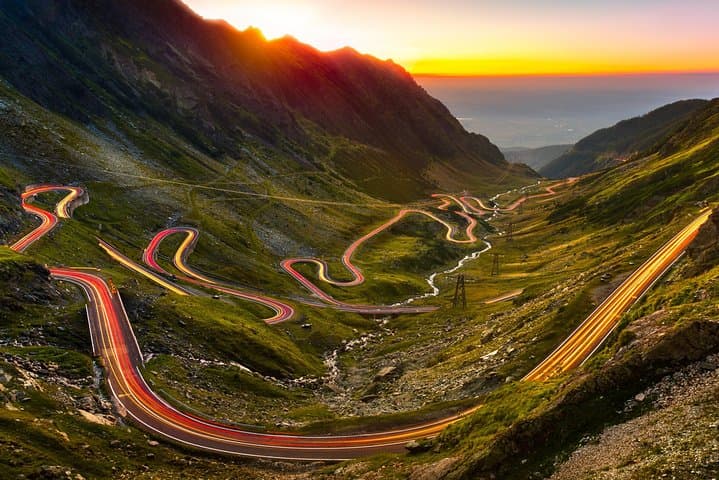
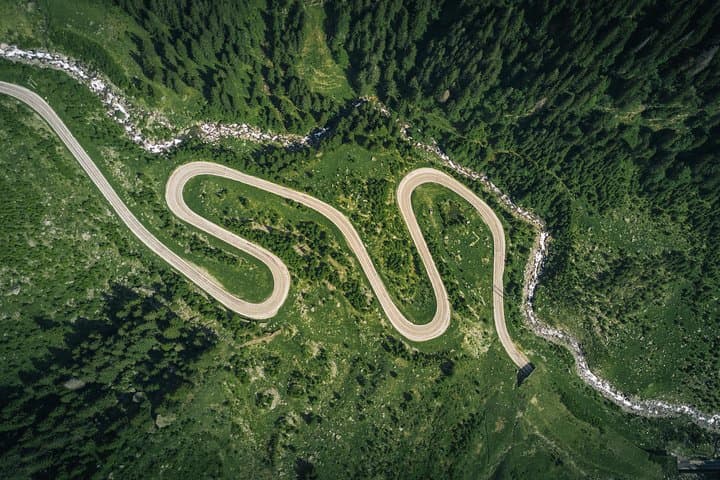
You climb into a modern minivan in Bucharest at dawn and the city shrinks behind you while the Carpathians grow taller ahead. The road tightens, hairpins roll past, and the Transfagarasan—Romania’s high mountain artery—unfurls like a ribbon across bare rock and alpine meadows.
Verified experiences and guided adventures in the surrounding area.
Operated by Rolandia · Bucharest, Argeș County
You climb into a modern minivan in Bucharest at dawn and the city shrinks behind you while the Carpathians grow taller ahead. The road tightens, hairpins roll past, and the Transfagarasan—Romania’s high mountain artery—unfurls like a ribbon across bare rock and alpine meadows.
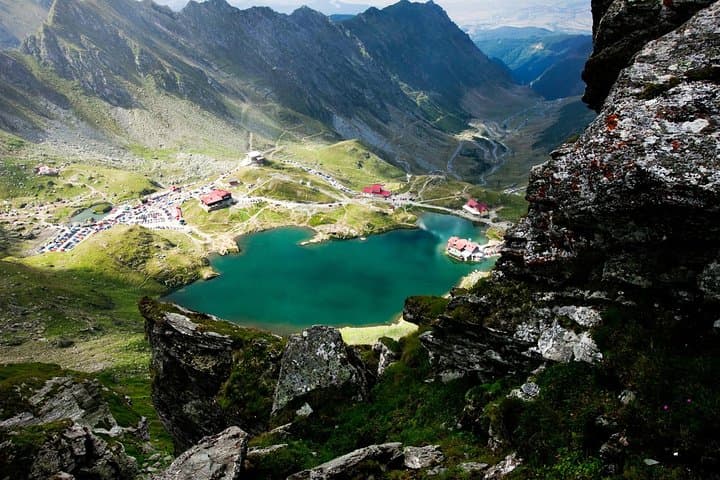
Originally pushed through the Făgăraș range in the late 20th century as a strategic route, the Transfagarasan now draws drivers for its engineered switchbacks and sudden overlooks. Geology here is hard crystalline rock and glacial sculpting: the highway negotiates steep cirques and a high plateau that feeds Balea Lake, a glacier lake sitting above 2,000 meters where thin air sharpens the views.
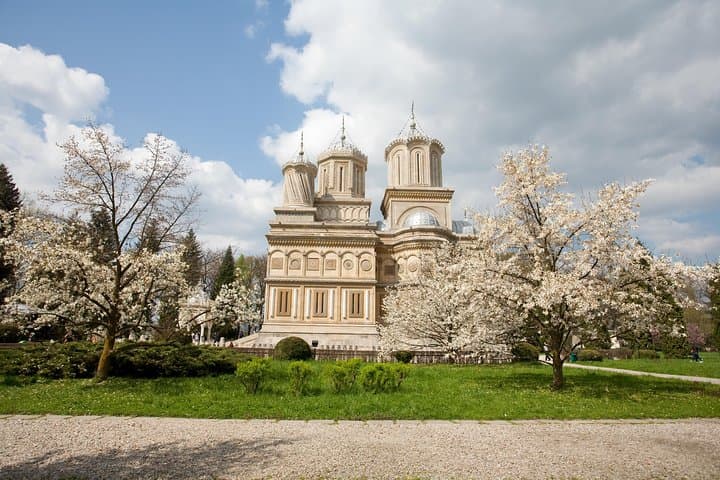
Culture and legend ride the route too: drive past Curtea de Argeș with its storied cathedral and near the ruined Poenari Castle—linked to Vlad Țepeș—then pause at Vidraru Dam, an imposing 525-foot concrete arc that tames a mountain reservoir.
Practically, expect a full 12-hour day of driving with short walks at viewpoints and around Balea Lake. Roadside facilities are limited at high elevation; dress in layers, carry a daypack, and allow time for weather changes—fog and wind can arrive quickly. Guides handle parking and timing, and entrances noted on the itinerary are included or advised.
This is a sightseeing day built for photographers, geology fans, and anyone who likes their landscapes served with a side of history. The route is accessible to most fitness levels, but sharp mountain weather and narrow lanes keep focus on safety and preparedness.
easy.
12 hours.
Suitable for most fitness levels; mostly seated driving with short walks to viewpoints and around lakes.
Expect roughly 3–4 hours each way depending on traffic and stops; the full tour runs about 12 hours including sightseeing.
Poenari Castle is closed for renovations until 2025 per the itinerary—drivers will pass the site but cannot climb the ruins until it reopens.
Most tour inclusions cover entrance fees and transport, but bring some local currency for snacks, souvenirs, or small services at remote stops.
Transfagarasan is often closed or limited in winter due to snow and ice; organized winter access (e.g., snowcat to Balea) is seasonal—confirm seasonal availability with the operator.
The Transfagarasan was constructed during the 1970s to link communities across the Făgăraș Mountains; nearby medieval sites tie to Vlad Țepeș and regional princely history.
High-traffic viewing spots face erosion and litter pressure; follow marked paths, pack out waste, and respect seasonal closures to protect fragile alpine habitat.
Rolandia operates guided outdoor trips and adventures with an emphasis on safety, stewardship, and memorable experiences.
You climb into a modern minivan in Bucharest at dawn and the city shrinks behind you while the Carpathians grow taller ahead. The road tightens, hairpins roll past, and the Transfagarasan—Romania’s high mountain artery—unfurls like a ribbon across bare rock and alpine meadows.
You climb into a modern minivan in Bucharest at dawn and the city shrinks behind you while the Carpathians grow taller ahead. The road tightens, hairpins roll past, and the Transfagarasan—Romania’s high mountain artery—unfurls like a ribbon across bare rock and alpine meadows.
Originally pushed through the Făgăraș range in the late 20th century as a strategic route, the Transfagarasan now draws drivers for its engineered switchbacks and sudden overlooks. Geology here is hard crystalline rock and glacial sculpting: the highway negotiates steep cirques and a high plateau that feeds Balea Lake, a glacier lake sitting above 2,000 meters where thin air sharpens the views.
Culture and legend ride the route too: drive past Curtea de Argeș with its storied cathedral and near the ruined Poenari Castle—linked to Vlad Țepeș—then pause at Vidraru Dam, an imposing 525-foot concrete arc that tames a mountain reservoir.
Practically, expect a full 12-hour day of driving with short walks at viewpoints and around Balea Lake. Roadside facilities are limited at high elevation; dress in layers, carry a daypack, and allow time for weather changes—fog and wind can arrive quickly. Guides handle parking and timing, and entrances noted on the itinerary are included or advised.
This is a sightseeing day built for photographers, geology fans, and anyone who likes their landscapes served with a side of history. The route is accessible to most fitness levels, but sharp mountain weather and narrow lanes keep focus on safety and preparedness.