THE ADVENTURE COLLECTIVE® · Independent discovery and booking for outdoor travel

A single-day escape from Vienna to Zagreb that blends a scenic cross-border drive with a three-hour private walking tour of the city’s historic heart. Expect cathedral spires, medieval streets, and local stories delivered by an expert guide.
A single-day escape from Vienna to Zagreb that blends a scenic cross-border drive with a three-hour private walking tour of the city’s historic heart. Expect cathedral spires, medieval streets, and local stories delivered by an expert guide.
You step into the van before dawn in Vienna; the driver eases onto the motorway and the Austrian countryside unfurls—vineyards, farmsteads, and low karst hills rolling past as Croatia draws nearer.
Verified experiences and guided adventures in the surrounding area.
Operated by Privately Guided Tours In Europe · Zagreb, Zagreb
You step into the van before dawn in Vienna; the driver eases onto the motorway and the Austrian countryside unfurls—vineyards, farmsteads, and low karst hills rolling past as Croatia draws nearer.
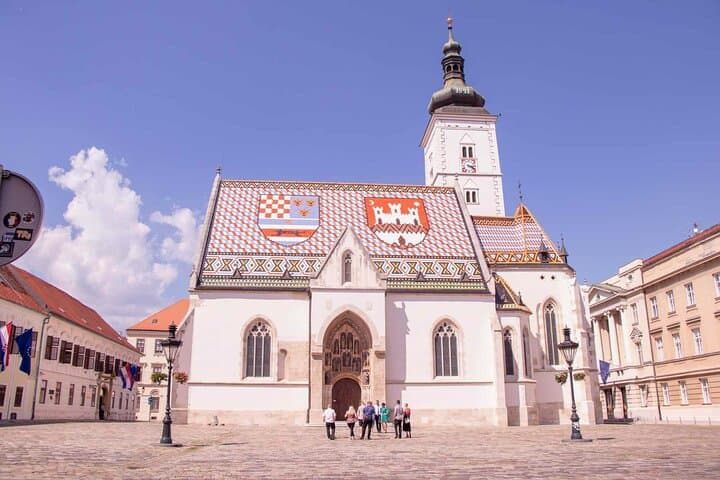
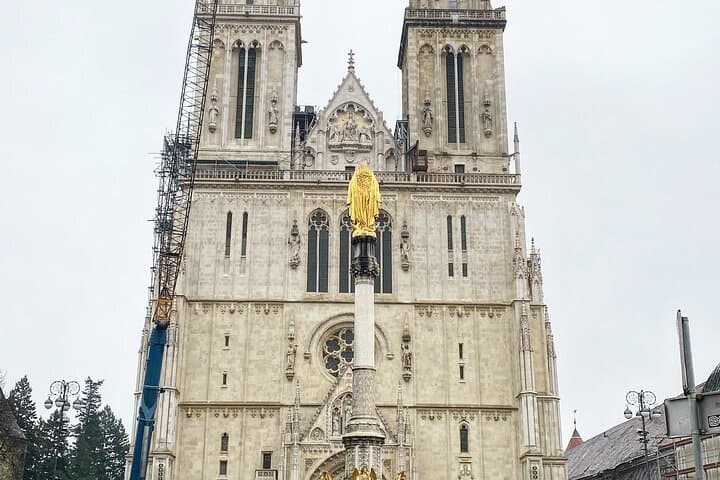
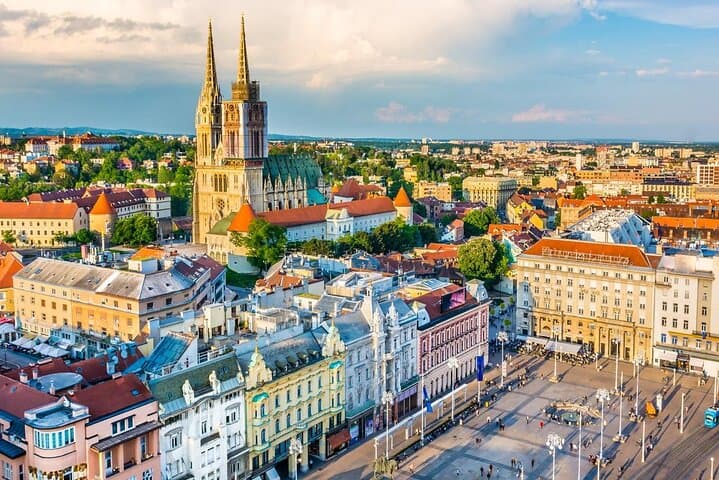
By late morning the vehicle drops you in central Zagreb, where the city’s layered history becomes immediately tactile: Ban Jelačić Square hums with trade and transit, the twin spires of Zagreb Cathedral pierce the skyline, and the Upper Town’s cobbles tilt underfoot toward Lotrščak Tower and St. Mark’s colorful roof.
Zagreb sits at the transition from the Medvednica massif to the Sava River plain — a city shaped by Pannonian geology and centuries of Austro-Hungarian and Croatian civic life. Your guide threads local legends and facts—how the Stone Gate survived a fire, why the noon cannon still fires—and points out contemporary culture from street-side cafes to the offbeat Museum of Broken Relationships.
Practically speaking, expect about a 3.5–4 hour drive each way (~380 km/236 miles), a focused three-hour walking tour, and free time for lunch or a museum. The private vehicle reduces logistics: rest stops, bottled water, and luggage space make the long day manageable. Bring sturdy shoes for uneven cobbles, a light layer for hilltop breezes, and your passport (minimal border formalities but required). Aim for an early departure to maximize daylight in Zagreb and leave room for unplanned discoveries—a quiet park bench, a baker’s window, or a view from Lotrščak Tower that makes the long drive unmistakably worthwhile.
easy.
10–12 hours.
Basic fitness for 2–4 miles (3–6 km) of walking on cobbles and some short climbs; comfortable for most travelers.
Expect roughly 3.5–4 hours each way by private vehicle (about 370–390 km), depending on traffic and border procedures.
Yes — the guided portion covers around 2–4 miles (3–6 km) on mostly paved and cobbled streets with short uphill sections in the Upper Town.
Standard inclusions list a guided walking tour and transfers; admissions to paid museums are generally not included unless specified—confirm when booking.
Croatia uses the euro; cards are widely accepted but carry a small amount of cash for markets or small cafés.
Zagreb’s Upper Town preserves medieval street patterns and Austro-Hungarian-era civic architecture; Lotrščak Tower and the Stone Gate are visible links to the city’s fortified past.
Stick to marked streets and dispose of waste in bins; popular sites have visitor pressure, so small-group private tours help limit local impact.
Privately Guided Tours In Europe operates guided outdoor trips and adventures with an emphasis on safety, stewardship, and memorable experiences.

You step into the van before dawn in Vienna; the driver eases onto the motorway and the Austrian countryside unfurls—vineyards, farmsteads, and low karst hills rolling past as Croatia draws nearer.
You step into the van before dawn in Vienna; the driver eases onto the motorway and the Austrian countryside unfurls—vineyards, farmsteads, and low karst hills rolling past as Croatia draws nearer.
By late morning the vehicle drops you in central Zagreb, where the city’s layered history becomes immediately tactile: Ban Jelačić Square hums with trade and transit, the twin spires of Zagreb Cathedral pierce the skyline, and the Upper Town’s cobbles tilt underfoot toward Lotrščak Tower and St. Mark’s colorful roof.
Zagreb sits at the transition from the Medvednica massif to the Sava River plain — a city shaped by Pannonian geology and centuries of Austro-Hungarian and Croatian civic life. Your guide threads local legends and facts—how the Stone Gate survived a fire, why the noon cannon still fires—and points out contemporary culture from street-side cafes to the offbeat Museum of Broken Relationships.
Practically speaking, expect about a 3.5–4 hour drive each way (~380 km/236 miles), a focused three-hour walking tour, and free time for lunch or a museum. The private vehicle reduces logistics: rest stops, bottled water, and luggage space make the long day manageable. Bring sturdy shoes for uneven cobbles, a light layer for hilltop breezes, and your passport (minimal border formalities but required). Aim for an early departure to maximize daylight in Zagreb and leave room for unplanned discoveries—a quiet park bench, a baker’s window, or a view from Lotrščak Tower that makes the long drive unmistakably worthwhile.