THE ADVENTURE COLLECTIVE® · Independent discovery and booking for outdoor travel

A full-day departure from Cusco takes you into the high Andes to see Vinicunca, the famous Rainbow Mountain. Expect steep, high-altitude walking, vivid mineral bands, and a culturally rich landscape — best enjoyed with acclimatization and layered gear.
A full-day departure from Cusco takes you into the high Andes to see Vinicunca, the famous Rainbow Mountain. Expect steep, high-altitude walking, vivid mineral bands, and a culturally rich landscape — best enjoyed with acclimatization and layered gear.
You step off the minivan into a thin, cold air that seems to push at your lungs and the first glimpse of the ridgeline appears like a painted spine against a wide Andean sky.
Verified experiences and guided adventures in the surrounding area.
Operated by Inca Trilogy Tours · Cusco, Cusco Region
You step off the minivan into a thin, cold air that seems to push at your lungs and the first glimpse of the ridgeline appears like a painted spine against a wide Andean sky.
Vinicunca — the so-called Mountain of Seven Colors — sits above 5,000 meters and unfurls bands of rust, ochre, green and turquoise caused by mineral-rich sedimentary layers uplifted by tectonic forces. The landscape feels alive: wind sculpts the grasses, distant peaks of the Vilcanota range watch quietly, and llama-dotted slopes remind you this is pastoral highland territory as much as it is a photo destination.
This route traces indigenous grazing lands and routes used for centuries by Quechua communities; the geology is Pleistocene bedrock overlain by oxidized minerals that create the striking stripes. Local guides usually weave cultural notes about traditional weaving and seasonal herding into the climb, grounding the spectacle in human history.
Practically, expect a steep, high-altitude trek of roughly 3–4 km roundtrip from the final parking area, with thin air making every step feel heavier. Go slowly, use trekking poles, and plan for sudden weather swings — sun, wind and snow are all possible in one afternoon. Morning departures reduce the chance of afternoon storms and improve visibility. Bring warm layers, sun protection, and at least 2 liters of water; respect the trail and local rules, and consider acclimatizing in Cusco for 48–72 hours beforehand for the best and safest experience.
challenging.
10–12 hours (from Cusco, door-to-door).
Good aerobic fitness recommended; hikers should be comfortable on sustained uphill terrain at altitude and able to handle 3–5 hours of walking.
The trail is short but steep and sits above 5,000 m; the climb is physically demanding mainly due to altitude rather than technical terrain.
Yes — 48–72 hours in Cusco or similar elevation is recommended to lower altitude sickness risk and make the hike safer and more enjoyable.
Most day tours include hotel pickup, transport, a guide, breakfast and a buffet lunch, plus entrance and local permits as noted in the tour inclusions.
The dry season (May–September) offers the most stable weather and clear skies; afternoons can bring clouds and rain outside of those months.
Vinicunca’s stripes are sedimentary layers altered by oxidation and uplift; the area has long been part of Quechua pastoral lands and trade routes.
High visitor numbers cause erosion and pressure on alpine grasslands—stick to marked trails, avoid littering, and support local guides and community-run operations.
Inca Trilogy Tours operates guided outdoor trips and adventures with an emphasis on safety, stewardship, and memorable experiences.



You step off the minivan into a thin, cold air that seems to push at your lungs and the first glimpse of the ridgeline appears like a painted spine against a wide Andean sky.
You step off the minivan into a thin, cold air that seems to push at your lungs and the first glimpse of the ridgeline appears like a painted spine against a wide Andean sky.
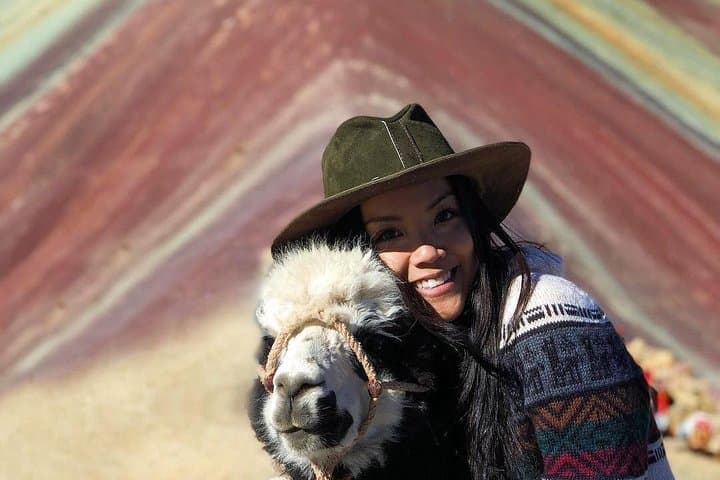
Vinicunca — the so-called Mountain of Seven Colors — sits above 5,000 meters and unfurls bands of rust, ochre, green and turquoise caused by mineral-rich sedimentary layers uplifted by tectonic forces. The landscape feels alive: wind sculpts the grasses, distant peaks of the Vilcanota range watch quietly, and llama-dotted slopes remind you this is pastoral highland territory as much as it is a photo destination.
This route traces indigenous grazing lands and routes used for centuries by Quechua communities; the geology is Pleistocene bedrock overlain by oxidized minerals that create the striking stripes. Local guides usually weave cultural notes about traditional weaving and seasonal herding into the climb, grounding the spectacle in human history.
Practically, expect a steep, high-altitude trek of roughly 3–4 km roundtrip from the final parking area, with thin air making every step feel heavier. Go slowly, use trekking poles, and plan for sudden weather swings — sun, wind and snow are all possible in one afternoon. Morning departures reduce the chance of afternoon storms and improve visibility. Bring warm layers, sun protection, and at least 2 liters of water; respect the trail and local rules, and consider acclimatizing in Cusco for 48–72 hours beforehand for the best and safest experience.