THE ADVENTURE COLLECTIVE® · Independent discovery and booking for outdoor travel

A full-day drive from Tashkent leads to Urungach — the Jade Lake — a pair of alpine basins in Ugam-Chatkal National Park. Expect rugged dirt roads, a short lakeside walk, and vivid turquoise water in spring and early summer.
A full-day drive from Tashkent leads to Urungach — the Jade Lake — a pair of alpine basins in Ugam-Chatkal National Park. Expect rugged dirt roads, a short lakeside walk, and vivid turquoise water in spring and early summer.
Morning light slices across the Pskem valley as the minibus eases out of Tashkent and the road climbs toward the western Tien Shan. By the time travelers step onto the pebbled shore of Urungach — the so-called Jade Lake — the water has already begun to catch the color of the sky, a green so clear it seems to dare you to look away.
Verified experiences and guided adventures in the surrounding area.
Operated by Guzalkhakimjanovna · Tashkent, Tashkent Region
Morning light slices across the Pskem valley as the minibus eases out of Tashkent and the road climbs toward the western Tien Shan. By the time travelers step onto the pebbled shore of Urungach — the so-called Jade Lake — the water has already begun to catch the color of the sky, a green so clear it seems to dare you to look away.
Formed by glacial action and fed through underground gravel filters, the two Urungach basins sit at about 1,227 meters inside Ugam-Chatkal National Park. The upper lake spills slowly into the lower, giving the smaller basin its intense turquoise in spring and early summer; by mid-summer the lower lake can shrink or disappear as snowmelt wanes. The route from Tashkent travels past Charvak Reservoir and up the Pskem corridor, a landscape shaped by recent tectonics and older sedimentary folds. Local villagers mix Uzbek valley customs with mountain pastoralism; shepherds and simple summer shelters still mark the high meadows.
On the ground, expect a short 700-meter walk from the parking area to the first shore over compact dirt and loose scree. Shade is limited, the air feels brisk at altitude, and the last stretches of road are rough enough that Soviet-era Neva vehicles are sometimes used for the final approach. The typical tour includes picnic time on the shore and multiple photo stops along the way. Bring sun protection, layered clothing for wind, sturdy footwear, and enough water; visitors should follow park rules, avoid fragile springs, and pack out all trash. The full excursion is a long day—plan for eight to nine hours door-to-door from Tashkent.
moderate.
8–9 hours.
Light-to-moderate fitness; able to walk 700 meters over uneven ground and tolerate a long day in a vehicle
The round-trip from Tashkent is about 8–9 hours total, with roughly 160 kilometers each way and several stops en route.
No technical skills are required — it’s a roughly 700-meter walk over dirt and loose scree that most people with basic mobility can manage.
Swimming is possible in some seasons, but water is cold and conditions vary; follow local guidance and avoid entering protected springs.
There are no formal restrooms or shops at the shore; tours generally include a picnic and visitors should carry out all trash.
The route follows valleys shaped by glacial and tectonic forces and was a traditional pastoral corridor; Soviet-era vehicles are still used for remote approaches.
The lakes lie within Ugam-Chatkal National Park — stick to paths, avoid disturbing springs, and pack out waste to preserve the water’s notable clarity.
Guzalkhakimjanovna operates guided outdoor trips and adventures with an emphasis on safety, stewardship, and memorable experiences.
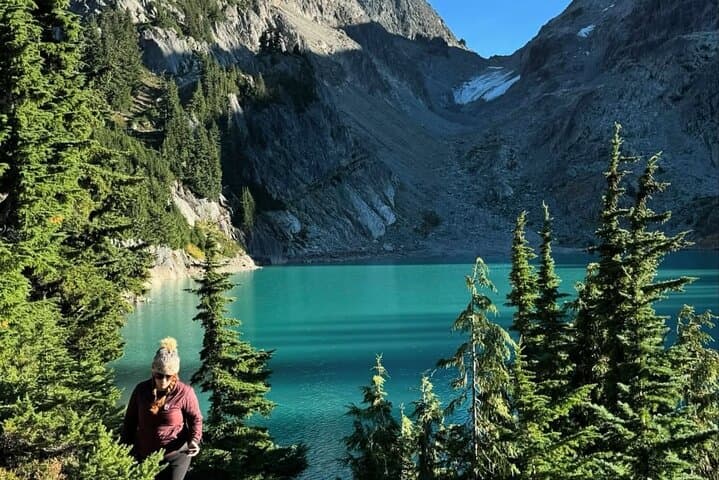
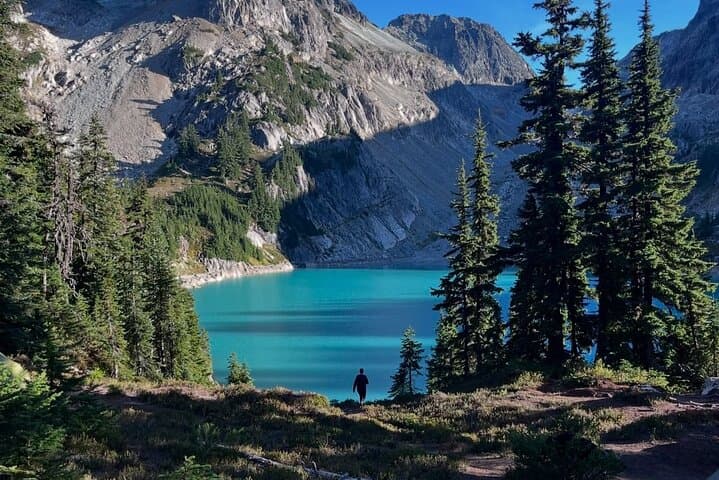
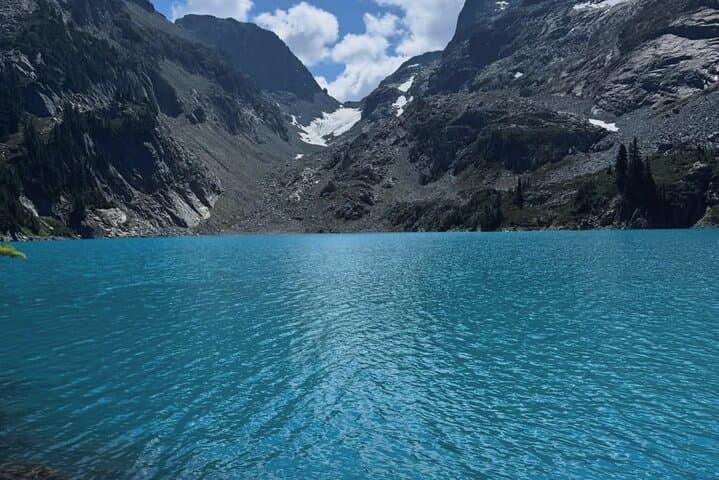
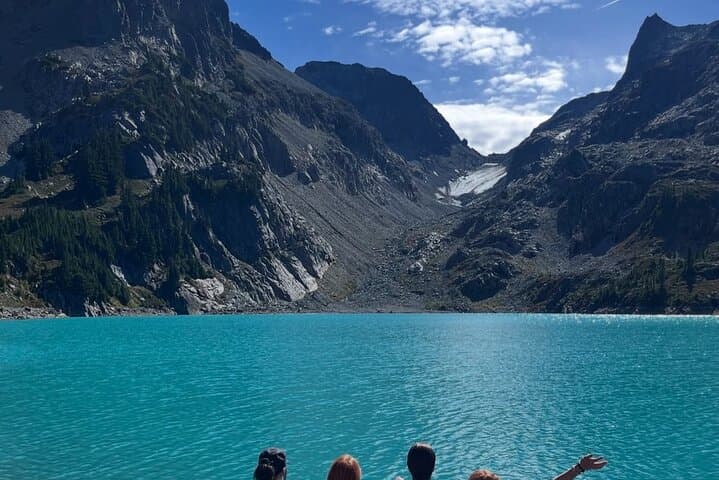
Morning light slices across the Pskem valley as the minibus eases out of Tashkent and the road climbs toward the western Tien Shan. By the time travelers step onto the pebbled shore of Urungach — the so-called Jade Lake — the water has already begun to catch the color of the sky, a green so clear it seems to dare you to look away.
Morning light slices across the Pskem valley as the minibus eases out of Tashkent and the road climbs toward the western Tien Shan. By the time travelers step onto the pebbled shore of Urungach — the so-called Jade Lake — the water has already begun to catch the color of the sky, a green so clear it seems to dare you to look away.
Formed by glacial action and fed through underground gravel filters, the two Urungach basins sit at about 1,227 meters inside Ugam-Chatkal National Park. The upper lake spills slowly into the lower, giving the smaller basin its intense turquoise in spring and early summer; by mid-summer the lower lake can shrink or disappear as snowmelt wanes. The route from Tashkent travels past Charvak Reservoir and up the Pskem corridor, a landscape shaped by recent tectonics and older sedimentary folds. Local villagers mix Uzbek valley customs with mountain pastoralism; shepherds and simple summer shelters still mark the high meadows.
On the ground, expect a short 700-meter walk from the parking area to the first shore over compact dirt and loose scree. Shade is limited, the air feels brisk at altitude, and the last stretches of road are rough enough that Soviet-era Neva vehicles are sometimes used for the final approach. The typical tour includes picnic time on the shore and multiple photo stops along the way. Bring sun protection, layered clothing for wind, sturdy footwear, and enough water; visitors should follow park rules, avoid fragile springs, and pack out all trash. The full excursion is a long day—plan for eight to nine hours door-to-door from Tashkent.