THE ADVENTURE COLLECTIVE® · Independent discovery and booking for outdoor travel

Spend a full day tracking elephants and reservoir vistas on a guided jeep safari from Colombo to Udawalawe National Park. Expect long views, concentrated wildlife at waterholes, and a straightforward, vehicle-based wildlife experience ideal for first-time safari-goers.
Spend a full day tracking elephants and reservoir vistas on a guided jeep safari from Colombo to Udawalawe National Park. Expect long views, concentrated wildlife at waterholes, and a straightforward, vehicle-based wildlife experience ideal for first-time safari-goers.
You step out of the air-conditioned minivan and the plains of Udawalawe open like a slow-moving stage — tall grass, cracked earth around a distant waterhole, and a line of dark shapes that resolve into elephants moving with casual authority. The reservoir glints; the dam’s concrete spine slices the horizon and the sunlight catches the dust kicked up by grazing deer.
Verified experiences and guided adventures in the surrounding area.
Operated by Asni Tours & Travel (M) Sdn Bhd · Udawalawe, Southern Province
You step out of the air-conditioned minivan and the plains of Udawalawe open like a slow-moving stage — tall grass, cracked earth around a distant waterhole, and a line of dark shapes that resolve into elephants moving with casual authority. The reservoir glints; the dam’s concrete spine slices the horizon and the sunlight catches the dust kicked up by grazing deer.
Udawalawe National Park was designated in 1972 to protect a key elephant corridor and the catchment of the Udawalawe Reservoir; its landscape is a mix of dry scrub, marsh, and tank-fed grasslands created by the dam’s irrigation works. Geologically the basin sits on ancient metamorphic rocks with alluvial plains that feed seasonal wetlands. The road to the park passes small villages where Tamil and Sinhala cultures meet in market stalls and roadside tea shops, giving a quick cultural primer before you head into the bush.
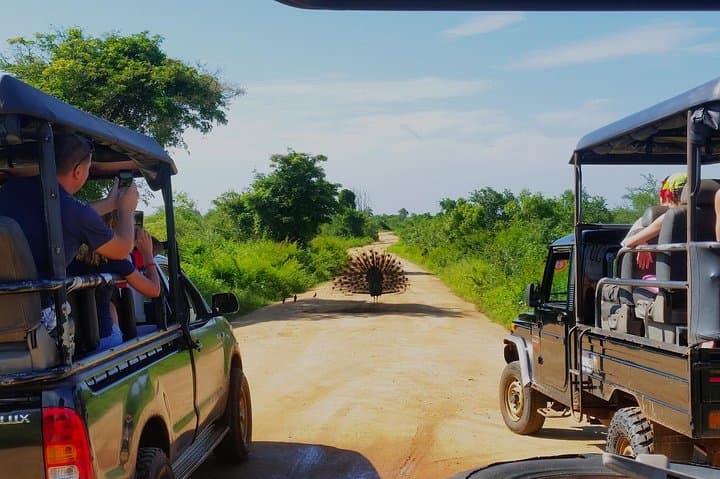
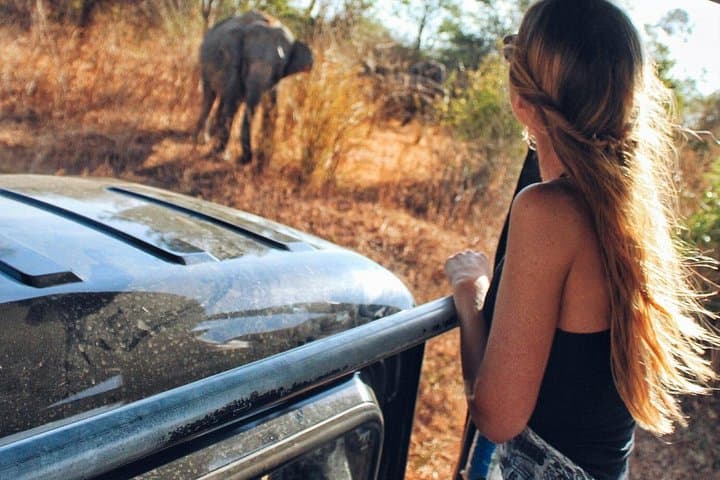
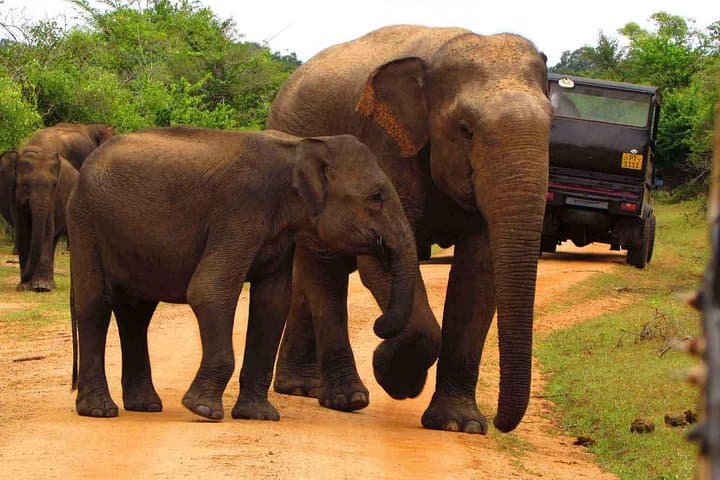
On a typical day excursion from Colombo you’ll spend several hours in a jeep with an English-speaking driver-guide, scanning for elephants, spotted deer, sambhur and crocodiles sunning on the bank. Birds concentrate around the reservoir; butterflies and dragonflies animate the margins. Wildlife moves by rules of thirst and shade — the dry months bring tighter concentrations and better viewing.
Practical guidance: arrive early or late light for the best activity, bring binoculars and sun protection, layer for morning chill, and carry cash for park fees or tips. Respect vehicle routes, keep windows partly closed near herbivores, and treat the park as shared territory — leave no trace and let the animals set the pace.
easy.
12 hours (full-day).
Minimal fitness required; comfortable sitting and short in-jeep walks only.
Typical door-to-door duration is around 10–12 hours depending on traffic; the organized tour lists a 12-hour program.
Dry months (generally mid-year and winter months) concentrate animals at waterholes, improving visibility; early morning and late afternoon sightings are most reliable.
Most tours include national park entrance fees, but bring small cash for additional purchases and tips if not specified.
Yes — the drive-based safari is family-friendly; however, infants may need to sit on laps and some bumpy jeep exits occur.
Declared a national park in 1972 to protect elephant ranges and the reservoir catchment created by the Udawalawe Dam, which also supplies irrigation and hydroelectric power.
Park fees and regulated jeep routes fund anti-poaching patrols and habitat management; avoid off-road driving and feeding wildlife to reduce human-wildlife conflict.
Asni Tours & Travel (M) Sdn Bhd operates guided outdoor trips and adventures with an emphasis on safety, stewardship, and memorable experiences.
You step out of the air-conditioned minivan and the plains of Udawalawe open like a slow-moving stage — tall grass, cracked earth around a distant waterhole, and a line of dark shapes that resolve into elephants moving with casual authority. The reservoir glints; the dam’s concrete spine slices the horizon and the sunlight catches the dust kicked up by grazing deer.
You step out of the air-conditioned minivan and the plains of Udawalawe open like a slow-moving stage — tall grass, cracked earth around a distant waterhole, and a line of dark shapes that resolve into elephants moving with casual authority. The reservoir glints; the dam’s concrete spine slices the horizon and the sunlight catches the dust kicked up by grazing deer.
Udawalawe National Park was designated in 1972 to protect a key elephant corridor and the catchment of the Udawalawe Reservoir; its landscape is a mix of dry scrub, marsh, and tank-fed grasslands created by the dam’s irrigation works. Geologically the basin sits on ancient metamorphic rocks with alluvial plains that feed seasonal wetlands. The road to the park passes small villages where Tamil and Sinhala cultures meet in market stalls and roadside tea shops, giving a quick cultural primer before you head into the bush.
On a typical day excursion from Colombo you’ll spend several hours in a jeep with an English-speaking driver-guide, scanning for elephants, spotted deer, sambhur and crocodiles sunning on the bank. Birds concentrate around the reservoir; butterflies and dragonflies animate the margins. Wildlife moves by rules of thirst and shade — the dry months bring tighter concentrations and better viewing.
Practical guidance: arrive early or late light for the best activity, bring binoculars and sun protection, layer for morning chill, and carry cash for park fees or tips. Respect vehicle routes, keep windows partly closed near herbivores, and treat the park as shared territory — leave no trace and let the animals set the pace.