THE ADVENTURE COLLECTIVE® · Independent discovery and booking for outdoor travel

A full-day shuttle from Mexico City delivers you to Tolantongo’s steaming grottoes and terraced hot pools—natural jacuzzis carved into a canyon. This practical guide covers what to expect, how to prepare, and the local context that makes the site memorable.
A full-day shuttle from Mexico City delivers you to Tolantongo’s steaming grottoes and terraced hot pools—natural jacuzzis carved into a canyon. This practical guide covers what to expect, how to prepare, and the local context that makes the site memorable.
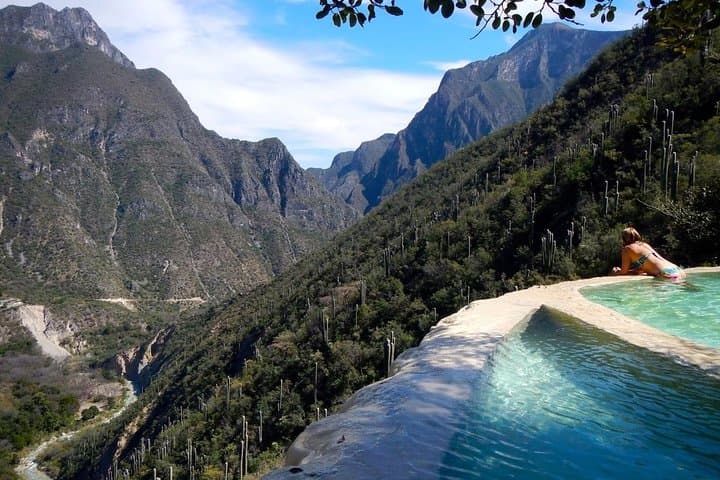
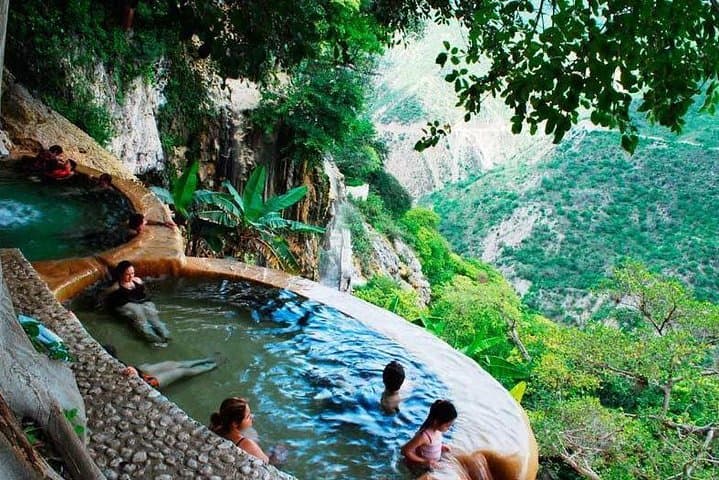
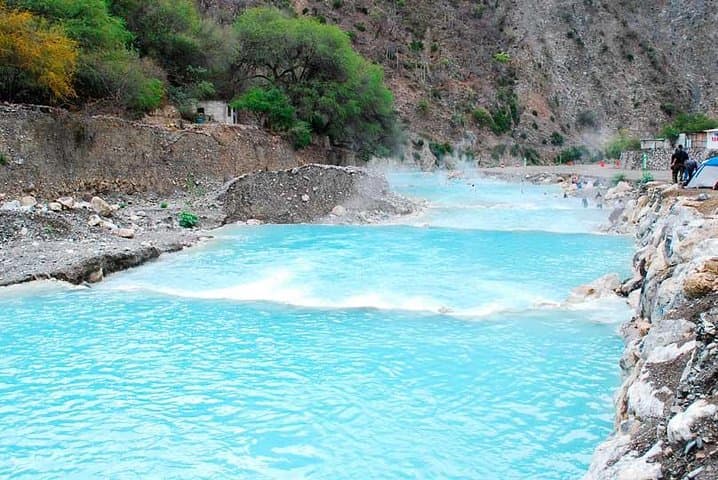
You step off the bus into a canyon that seems to have been carved to hold water—narrow walls of volcanic rock rise on either side while steam threads up from pools that glow the color of boiled sky. The guide points to a tunnel mouth where a warm river vanishes into the limestone and reappears as terraces and grotto pools. For the next day, the canyon commands your pace: a slow ritual of soaking, wading and short hikes between natural jacuzzis.
Verified experiences and guided adventures in the surrounding area.
Operated by Vive Disfruta Mexico · Tolantongo, Hidalgo
You step off the bus into a canyon that seems to have been carved to hold water—narrow walls of volcanic rock rise on either side while steam threads up from pools that glow the color of boiled sky. The guide points to a tunnel mouth where a warm river vanishes into the limestone and reappears as terraces and grotto pools. For the next day, the canyon commands your pace: a slow ritual of soaking, wading and short hikes between natural jacuzzis.
Grutas de Tolantongo sits in Hidalgo’s rugged interior, fed by an underground thermal aquifer and framed by cliffs that keep wind and city noise at bay. Indigenous Otomí communities have long known the springs; more recent decades saw families and small operators expand access with concrete terraces, a hanging bridge and walking paths. Geologically the site is an interface between volcanic rock and limestone channels—the heat comes from deep groundwater that rises through fractures, depositing minerals and shaping the grottoes.
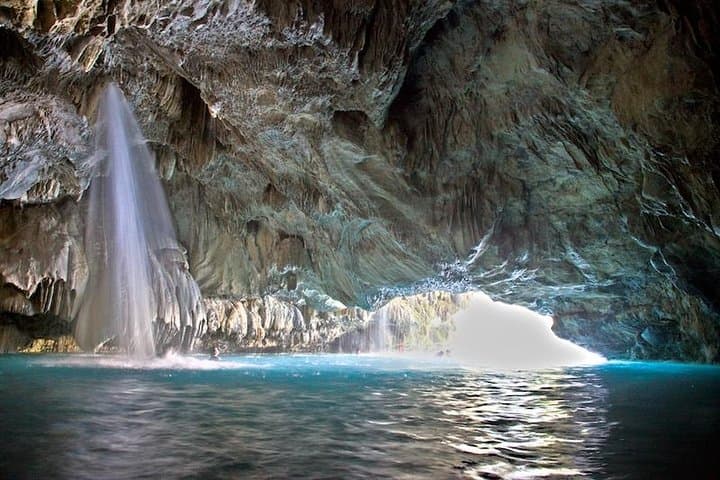
Cultural flavor arrives in small gestures: vendors grilling skewers and quesadillas, the dry smell of wood smoke, and local guides who can relate oral legends about the cave and its healing waters. The site’s two main areas—The Grotto and Hidden Paradise—offer different moods: the grotto is cave-dark and intimate; the Hidden Paradise spreads into stepped pools and a river you can wade along.
Practical edge: this is a long day. The operator runs a 12-hour round-trip tour from Mexico City with hotel pickup available by arrangement—confirm that WhatsApp number before departure. Entrance fees and transportation are included, but bring cash for food, lockers and souvenirs. You’ll need a swimsuit, towel and water shoes (sandals are not allowed in pools). Expect mixed surfaces: paved approach roads, concrete terraces and short natural footpaths; some sections are wet and slippery.
Timing matters—go early to skip midday crowds and to catch the warm light on the canyon walls. Bring a dry bag for electronics and a refillable water bottle; even warm pools don’t replace steady hydration. Respect posted signs: algae and soap can damage the pools, and certain grotto passages have low ceilings and fast currents.
For travelers wanting more than a dip, arrange an overnight stay locally or combine Tolantongo with a short visit to Ixmiquilpan for pulque and regional cuisine. The day tour is an efficient way to experience hot springs, grottoes and a slice of highland Hidalgo without the logistics of self-driving—if you come prepared, the canyon will do the rest, coaxing you into slow, hot water and a quieter rhythm than the city left you in.
moderate.
12 hours (round trip).
Suitable for travelers in average fitness; involves brief hikes, slippery steps, and standing in warm water for long periods.
The operator lists this as a 12-hour round-trip day tour including transport, site entrance fees and guide services.
Yes—tickets to the attractions (grotto, pools, tunnel, hanging bridge) are included in the tour price.
Yes—swimsuit, water shoes (not sandals) and an individual towel are required; these are not always provided by the site.
The tour is marked as suitable for all fitness levels, but some paths are slippery; supervise children and mention mobility needs when booking.
Yes—hotel pickup is offered within certain zones; confirm exact pick-up by WhatsApp and expect a possible fee for locations outside central perimeters.
The trip requires at least two people; if the minimum isn’t met operators will cancel and refund your payment.
Local Otomí communities long used the springs; modern tourist infrastructure was developed in recent decades to channel geothermal flows into stepped pools and walkways.
The pools are sensitive to soaps and oils—pack out trash, avoid chemical sunscreens in water, and follow signage to minimize erosion and contamination.
Vive Disfruta Mexico operates guided outdoor trips and adventures with an emphasis on safety, stewardship, and memorable experiences.
You step off the bus into a canyon that seems to have been carved to hold water—narrow walls of volcanic rock rise on either side while steam threads up from pools that glow the color of boiled sky. The guide points to a tunnel mouth where a warm river vanishes into the limestone and reappears as terraces and grotto pools. For the next day, the canyon commands your pace: a slow ritual of soaking, wading and short hikes between natural jacuzzis.
You step off the bus into a canyon that seems to have been carved to hold water—narrow walls of volcanic rock rise on either side while steam threads up from pools that glow the color of boiled sky. The guide points to a tunnel mouth where a warm river vanishes into the limestone and reappears as terraces and grotto pools. For the next day, the canyon commands your pace: a slow ritual of soaking, wading and short hikes between natural jacuzzis.
Grutas de Tolantongo sits in Hidalgo’s rugged interior, fed by an underground thermal aquifer and framed by cliffs that keep wind and city noise at bay. Indigenous Otomí communities have long known the springs; more recent decades saw families and small operators expand access with concrete terraces, a hanging bridge and walking paths. Geologically the site is an interface between volcanic rock and limestone channels—the heat comes from deep groundwater that rises through fractures, depositing minerals and shaping the grottoes.
Cultural flavor arrives in small gestures: vendors grilling skewers and quesadillas, the dry smell of wood smoke, and local guides who can relate oral legends about the cave and its healing waters. The site’s two main areas—The Grotto and Hidden Paradise—offer different moods: the grotto is cave-dark and intimate; the Hidden Paradise spreads into stepped pools and a river you can wade along.
Practical edge: this is a long day. The operator runs a 12-hour round-trip tour from Mexico City with hotel pickup available by arrangement—confirm that WhatsApp number before departure. Entrance fees and transportation are included, but bring cash for food, lockers and souvenirs. You’ll need a swimsuit, towel and water shoes (sandals are not allowed in pools). Expect mixed surfaces: paved approach roads, concrete terraces and short natural footpaths; some sections are wet and slippery.
Timing matters—go early to skip midday crowds and to catch the warm light on the canyon walls. Bring a dry bag for electronics and a refillable water bottle; even warm pools don’t replace steady hydration. Respect posted signs: algae and soap can damage the pools, and certain grotto passages have low ceilings and fast currents.
For travelers wanting more than a dip, arrange an overnight stay locally or combine Tolantongo with a short visit to Ixmiquilpan for pulque and regional cuisine. The day tour is an efficient way to experience hot springs, grottoes and a slice of highland Hidalgo without the logistics of self-driving—if you come prepared, the canyon will do the rest, coaxing you into slow, hot water and a quieter rhythm than the city left you in.