THE ADVENTURE COLLECTIVE® · Independent discovery and booking for outdoor travel

Leave Cádiz for a compact, 8-hour loop through the UNESCO-listed Sierra de Grazalema, Ronda’s canyoned streets, and artisan villages like Ubrique and Arcos. Expect short guided walks, panoramic view-stops, and tastings of local olive oil and cheeses.
Leave Cádiz for a compact, 8-hour loop through the UNESCO-listed Sierra de Grazalema, Ronda’s canyoned streets, and artisan villages like Ubrique and Arcos. Expect short guided walks, panoramic view-stops, and tastings of local olive oil and cheeses.
The road peels away from Cádiz as the Atlantic light thins and the hills begin to rise—whitewashed houses appear like punctuation marks along limestone ridgelines. You travel in a small air-conditioned vehicle, windows down at times so the wind can carry the smell of rosemary and olive groves into the cabin.
Verified experiences and guided adventures in the surrounding area.
Operated by Feel The city · Cádiz, Andalusia
The road peels away from Cádiz as the Atlantic light thins and the hills begin to rise—whitewashed houses appear like punctuation marks along limestone ridgelines. You travel in a small air-conditioned vehicle, windows down at times so the wind can carry the smell of rosemary and olive groves into the cabin.
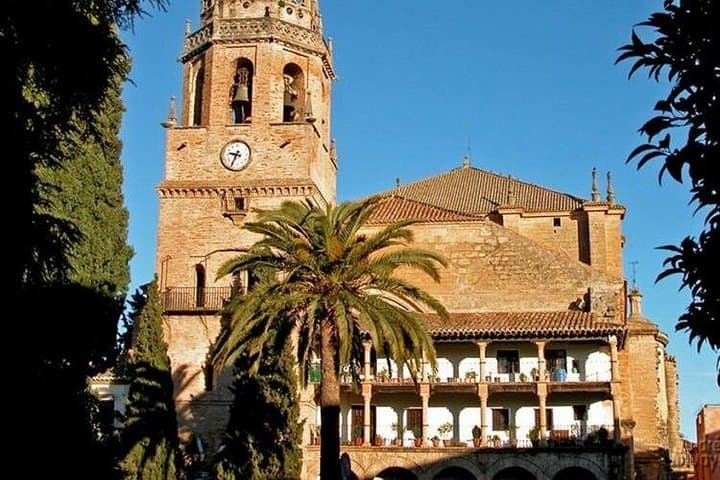
This route threads the Sierra de Grazalema Biosphere Reserve and the Serranía de Ronda, landscapes shaped by Jurassic limestone and deep river gorges. Ronda’s El Tajo gorge cuts the town in two; its 18th-century bullring is one of Spain’s oldest and anchors a long-running cultural debate about tradition and spectacle. Many village names—Benamahoma, Alcalá, Benaocaz—still carry their Al-Andalus origins in vocabulary and street plans.
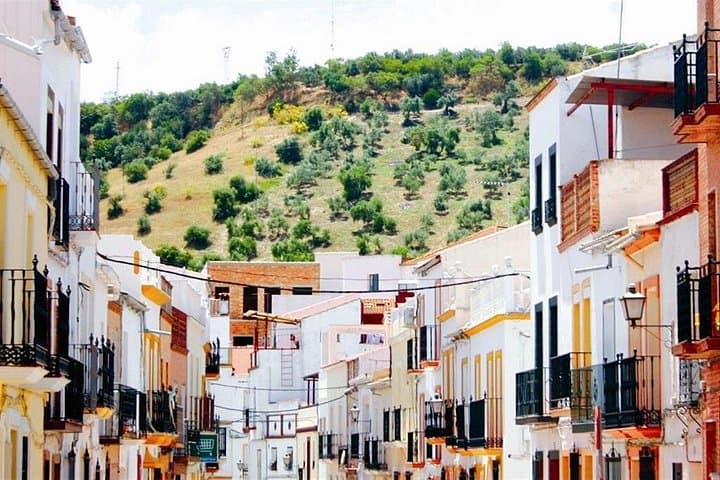
Villages here earned their “white” look from limewash, a practical coat that reflects heat and sheds rain. Local economies mix olive oil groves, artisan leatherwork (notably in Ubrique), and small mountain dairies producing manchego-style cheeses. Pines and the rare Pinsapo (Spanish fir) feed gullies and sometimes demand silence: wind becomes a presence, rivers dare you to listen.
Practically, expect an 8-hour loop with guided stops—short walking tours in Ronda and several village view-stops. Streets are narrow and often stepped; comfortable shoes and steady footing matter. Food is a highlight—try local olive oil, tapas, and pastries in a small bar.
This is a day for panoramic vistas, a brush-up of Andalusian history, and a close look at rural craft traditions—accessible, scenic, and structured for travelers who want variety without a hard hike.
easy.
8 hours.
Vehicle-based tour with short, easy walks; suitable for most fitness levels
Yes—this tour offers hotel pickup in Cádiz; confirm the pickup point when booking.
The vehicle and many viewpoints are accessible, but some village streets and viewpoints have steps or uneven cobbles that limit access.
The itinerary includes a guided visit to Ronda’s historic bullring exterior and plaza; interior access is subject to operator arrangements and may require additional time.
Food and drink are not typically included—stops allow you to sample tapas, olive oil, and local pastries at your own expense.
Many of the towns retain Moorish street layouts and place names dating to Al-Andalus; Ronda’s bullring reflects an 18th-century evolution of Spanish bullfighting culture.
The route passes through a UNESCO Biosphere Reserve—stick to marked paths and support local producers to keep tourism benefits local and sustainable.
Feel The city operates guided outdoor trips and adventures with an emphasis on safety, stewardship, and memorable experiences.
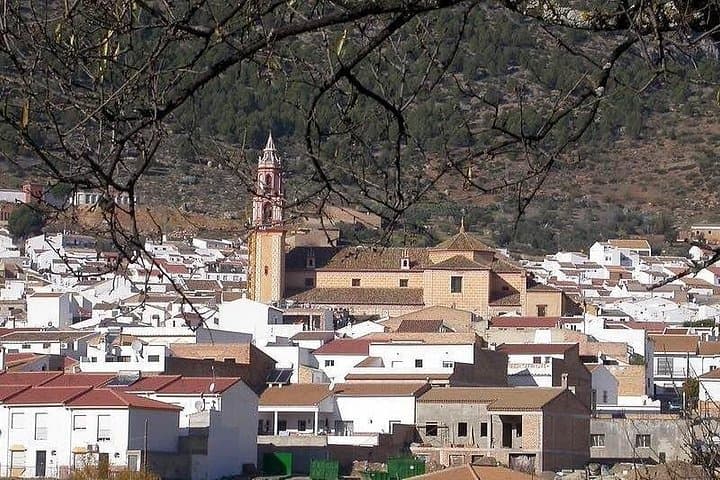

The road peels away from Cádiz as the Atlantic light thins and the hills begin to rise—whitewashed houses appear like punctuation marks along limestone ridgelines. You travel in a small air-conditioned vehicle, windows down at times so the wind can carry the smell of rosemary and olive groves into the cabin.
The road peels away from Cádiz as the Atlantic light thins and the hills begin to rise—whitewashed houses appear like punctuation marks along limestone ridgelines. You travel in a small air-conditioned vehicle, windows down at times so the wind can carry the smell of rosemary and olive groves into the cabin.
This route threads the Sierra de Grazalema Biosphere Reserve and the Serranía de Ronda, landscapes shaped by Jurassic limestone and deep river gorges. Ronda’s El Tajo gorge cuts the town in two; its 18th-century bullring is one of Spain’s oldest and anchors a long-running cultural debate about tradition and spectacle. Many village names—Benamahoma, Alcalá, Benaocaz—still carry their Al-Andalus origins in vocabulary and street plans.
Villages here earned their “white” look from limewash, a practical coat that reflects heat and sheds rain. Local economies mix olive oil groves, artisan leatherwork (notably in Ubrique), and small mountain dairies producing manchego-style cheeses. Pines and the rare Pinsapo (Spanish fir) feed gullies and sometimes demand silence: wind becomes a presence, rivers dare you to listen.
Practically, expect an 8-hour loop with guided stops—short walking tours in Ronda and several village view-stops. Streets are narrow and often stepped; comfortable shoes and steady footing matter. Food is a highlight—try local olive oil, tapas, and pastries in a small bar.
This is a day for panoramic vistas, a brush-up of Andalusian history, and a close look at rural craft traditions—accessible, scenic, and structured for travelers who want variety without a hard hike.