THE ADVENTURE COLLECTIVE® · Independent discovery and booking for outdoor travel

Board an air-conditioned express train from New Delhi for a private day trip to the Taj Mahal. This guided tour pairs timed access to the monument with lunch in Agra and time to shop local handicrafts.
Board an air-conditioned express train from New Delhi for a private day trip to the Taj Mahal. This guided tour pairs timed access to the monument with lunch in Agra and time to shop local handicrafts.
The express train slides out of Hazrat Nizamuddin before dawn, city concrete softening into fields and roadside villages. Two hours later Agra arrives like a pulse on the map: a station platform, a driver with a sign, and the white marble roofline of the Taj Mahal rising beyond the trees. Approaching the monument, the Yamuna River frames the view and the marble seems to inhale light.
Verified experiences and guided adventures in the surrounding area.
Operated by SITA World Tours · Agra, Uttar Pradesh
The express train slides out of Hazrat Nizamuddin before dawn, city concrete softening into fields and roadside villages. Two hours later Agra arrives like a pulse on the map: a station platform, a driver with a sign, and the white marble roofline of the Taj Mahal rising beyond the trees. Approaching the monument, the Yamuna River frames the view and the marble seems to inhale light.
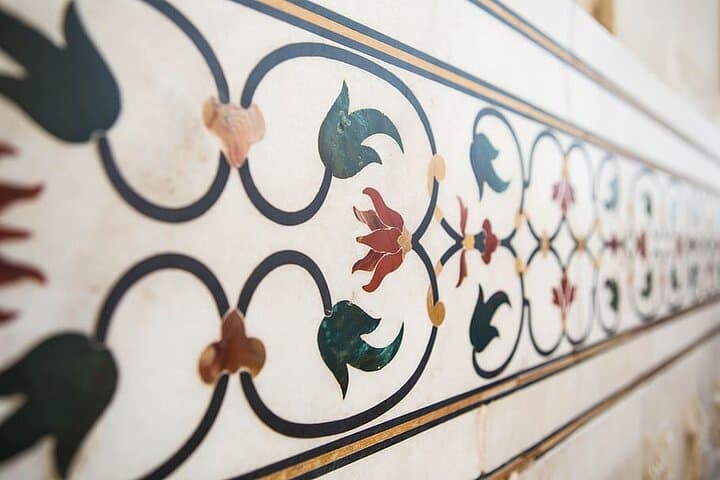
Built between 1631 and 1648 by Mughal Emperor Shah Jahan for Mumtaz Mahal, the Taj Mahal is both funerary architecture and a record of high craftsmanship. Its white Makrana marble — quarried from Rajasthan — was inlaid with semi-precious stones in techniques known locally as pietra dura. Agra’s culture is marked by these crafts: marble inlay, carpet weaving and hand-embroidered textiles that you’ll find in small workshops and bazaars.
Geology and climate shape the visit: the marble's surface shifts with sun and shadow, and the nearby Yamuna can influence humidity and air quality; mornings and late afternoons offer the cleanest light. Expect guided interpretation of symbolism, careful security screening, and roughly two hours on-site to move through the main platform, gardens and viewing terraces.
Practical edge: bring sun protection, a refillable water bottle and comfortable walking shoes; modest clothing is required in respect of the site. The included express-train leg runs in air-conditioned class and saves the road traffic unpredictability. Allow time for security lines, and use the free time after lunch to visit Mehtab Bagh across the river for a different perspective before returning to Delhi on the evening train.
moderate.
12 hours.
Should be comfortable with several hours of standing and walking on uneven stone and garden paths; moderate stamina recommended for transfers.
Yes — the itinerary indicates admission to the Taj Mahal is included as part of the private guided visit.
Guides typically allot about 90–120 minutes at the main complex, enough to see the mausoleum, main platform and garden views.
Train fare is in an air-conditioned class of an express train; it’s a more reliable and quicker road alternative for this day trip.
Dress modestly (cover shoulders and knees). Expect bag screening and restrictions on large photography equipment and tripods.
The Taj Mahal was commissioned by Shah Jahan in 1631 and completed in 1648 as a mausoleum for Mumtaz Mahal; Agra’s fortunes were closely tied to Mughal architectural patronage.
Air pollution and river health affect the marble’s surface; visitors are asked to follow site rules, avoid littering, and support local conservation efforts by using guides and authorized services.
SITA World Tours operates guided outdoor trips and adventures with an emphasis on safety, stewardship, and memorable experiences.
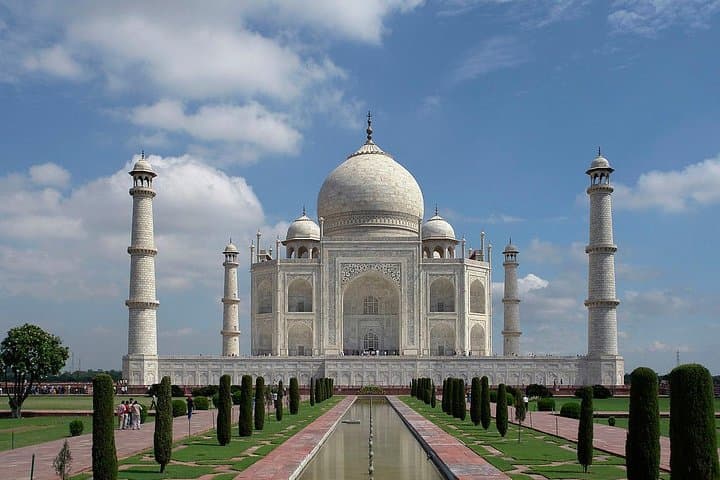
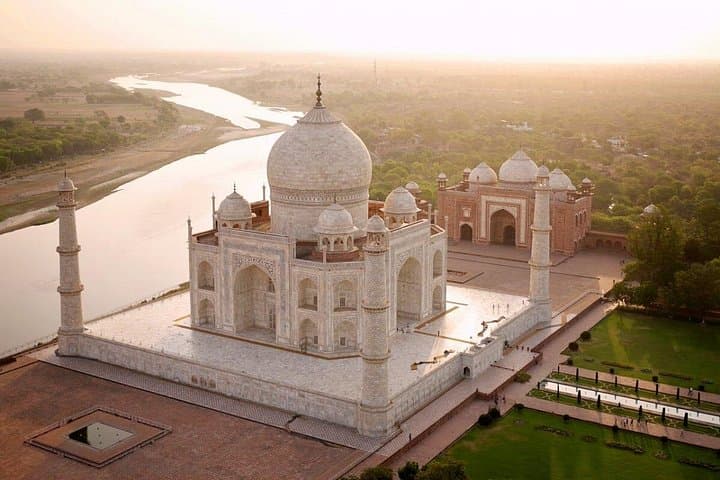
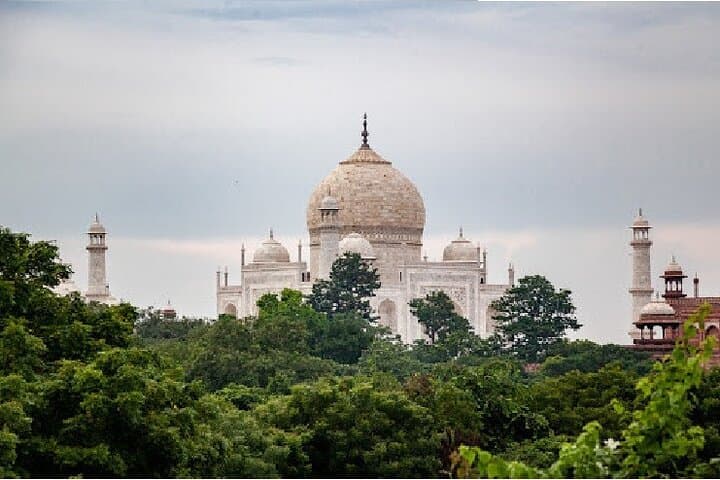
The express train slides out of Hazrat Nizamuddin before dawn, city concrete softening into fields and roadside villages. Two hours later Agra arrives like a pulse on the map: a station platform, a driver with a sign, and the white marble roofline of the Taj Mahal rising beyond the trees. Approaching the monument, the Yamuna River frames the view and the marble seems to inhale light.
The express train slides out of Hazrat Nizamuddin before dawn, city concrete softening into fields and roadside villages. Two hours later Agra arrives like a pulse on the map: a station platform, a driver with a sign, and the white marble roofline of the Taj Mahal rising beyond the trees. Approaching the monument, the Yamuna River frames the view and the marble seems to inhale light.
Built between 1631 and 1648 by Mughal Emperor Shah Jahan for Mumtaz Mahal, the Taj Mahal is both funerary architecture and a record of high craftsmanship. Its white Makrana marble — quarried from Rajasthan — was inlaid with semi-precious stones in techniques known locally as pietra dura. Agra’s culture is marked by these crafts: marble inlay, carpet weaving and hand-embroidered textiles that you’ll find in small workshops and bazaars.
Geology and climate shape the visit: the marble's surface shifts with sun and shadow, and the nearby Yamuna can influence humidity and air quality; mornings and late afternoons offer the cleanest light. Expect guided interpretation of symbolism, careful security screening, and roughly two hours on-site to move through the main platform, gardens and viewing terraces.
Practical edge: bring sun protection, a refillable water bottle and comfortable walking shoes; modest clothing is required in respect of the site. The included express-train leg runs in air-conditioned class and saves the road traffic unpredictability. Allow time for security lines, and use the free time after lunch to visit Mehtab Bagh across the river for a different perspective before returning to Delhi on the evening train.