THE ADVENTURE COLLECTIVE® · Independent discovery and booking for outdoor travel

Board the Gatimaan Express for a full‑day circuit to the Taj Mahal and Agra Fort—three hours at the mausoleum, return train service, and optional five‑star lunch. Practical, timed, and accessible, this itinerary compresses Agra’s Mughal highlights into one intensive day from Delhi.
Board the Gatimaan Express for a full‑day circuit to the Taj Mahal and Agra Fort—three hours at the mausoleum, return train service, and optional five‑star lunch. Practical, timed, and accessible, this itinerary compresses Agra’s Mughal highlights into one intensive day from Delhi.
You step onto the Gatimaan Express as the city still blurs by—Delhi’s skyline folding behind you while the carriage hums toward the low, pale rim of Agra. By mid‑morning the white silhouette of the Taj Mahal appears across manicured lawns and the river Yamuna, its marble catching the sun as if testing the day.
Verified experiences and guided adventures in the surrounding area.
Operated by Tajmahal Tour Holidays · Agra, Uttar Pradesh
You step onto the Gatimaan Express as the city still blurs by—Delhi’s skyline folding behind you while the carriage hums toward the low, pale rim of Agra. By mid‑morning the white silhouette of the Taj Mahal appears across manicured lawns and the river Yamuna, its marble catching the sun as if testing the day.
This is Mughal India in stone: Shah Jahan’s 17th‑century mausoleum carved from Makrana marble, set on a raised plinth with gardens laid out in charbagh symmetry. Nearby, Agra Fort—Akbar’s red‑sandstone fortress—frames a very different imperial language: defensive ramparts, private palaces and views that used to orient empires.
Geologically, the Taj’s sheen owes itself to Makrana marble and centuries of weathering; culturally, the complex is threaded with artisans, from marble inlayers to local karigar who still polish stone and sell small replicas. Cross the Yamuna at Mehtab Bagh for a rear view of the mausoleum—the river daring you to see the monument from another angle.
Practical side: this itinerary is a full day. Expect roughly 12 hours total including train transfers, 3 hours at the Taj, and stops at Agra Fort and Itimad‑ud‑Daulah (the “Baby Taj”). Security lines, shoe covers, and timed entries are standard; the Taj is closed on Fridays. Pack sun protection, carry water, and bring your passport for train and ticket checks. If mobility is a concern, request assistance ahead—pickups, accessible vehicles and coach assistance are options.
For photographers and planners alike, timing is everything: morning light on the marble is cooler and less crowded; late afternoon at Mehtab Bagh gives the Taj a different temper. This trip blends fast transport with slow, close inspection—history, craft and the physical presence of one of the world’s most visited monuments.
easy.
12 hours.
Moderate stamina for walking and standing; the tour is suitable for most fitness levels but includes steps and paved paths.
No—the Taj Mahal is closed on Fridays for prayer; other monuments like Agra Fort are open most days but check seasonal hours.
Yes, passports are required for train ticketing and are often checked at monuments; bring originals and a photocopy.
India’s Gatimaan Express is a high‑speed intercity train with AC chair cars; it’s comfortable for a day trip with onboard refreshments on many services.
Lunch and monument tickets are included only if you select the All‑Inclusive option—confirm your booking level before departure.
The Taj Mahal was commissioned by Mughal emperor Shah Jahan in the 17th century as a mausoleum for Mumtaz Mahal; Agra Fort predates it and was expanded under Akbar and Shah Jahan.
Heavy foot traffic and airborne pollution stress the marble—visitors are asked to follow designated paths, avoid throwing litter, and respect restricted zones to reduce wear.
Tajmahal Tour Holidays operates guided outdoor trips and adventures with an emphasis on safety, stewardship, and memorable experiences.
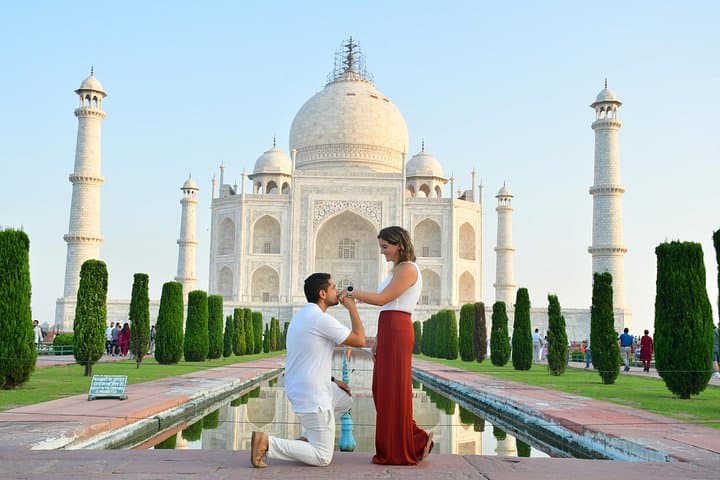
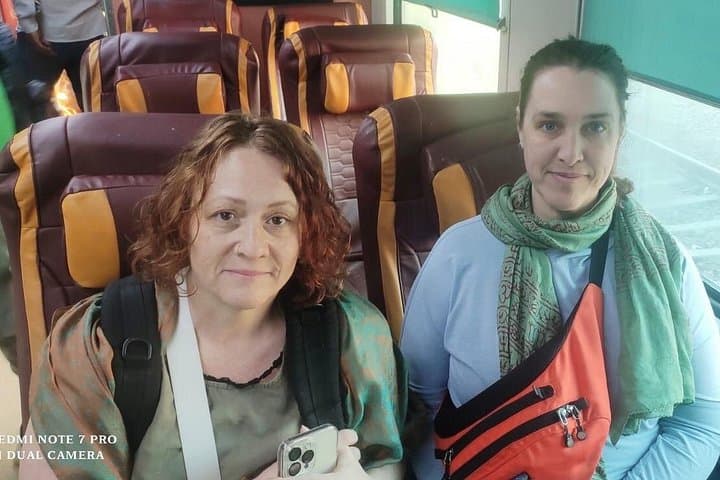
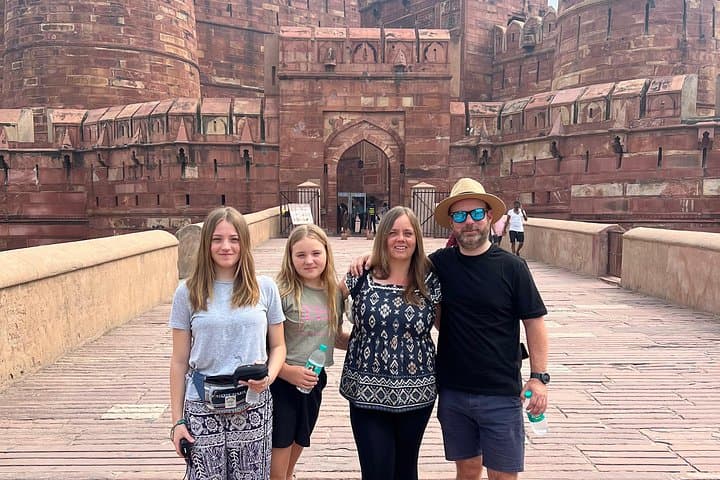
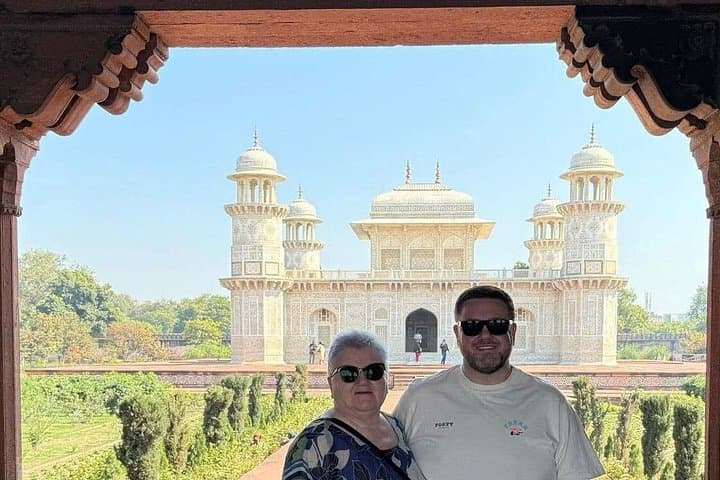
You step onto the Gatimaan Express as the city still blurs by—Delhi’s skyline folding behind you while the carriage hums toward the low, pale rim of Agra. By mid‑morning the white silhouette of the Taj Mahal appears across manicured lawns and the river Yamuna, its marble catching the sun as if testing the day.
You step onto the Gatimaan Express as the city still blurs by—Delhi’s skyline folding behind you while the carriage hums toward the low, pale rim of Agra. By mid‑morning the white silhouette of the Taj Mahal appears across manicured lawns and the river Yamuna, its marble catching the sun as if testing the day.
This is Mughal India in stone: Shah Jahan’s 17th‑century mausoleum carved from Makrana marble, set on a raised plinth with gardens laid out in charbagh symmetry. Nearby, Agra Fort—Akbar’s red‑sandstone fortress—frames a very different imperial language: defensive ramparts, private palaces and views that used to orient empires.
Geologically, the Taj’s sheen owes itself to Makrana marble and centuries of weathering; culturally, the complex is threaded with artisans, from marble inlayers to local karigar who still polish stone and sell small replicas. Cross the Yamuna at Mehtab Bagh for a rear view of the mausoleum—the river daring you to see the monument from another angle.
Practical side: this itinerary is a full day. Expect roughly 12 hours total including train transfers, 3 hours at the Taj, and stops at Agra Fort and Itimad‑ud‑Daulah (the “Baby Taj”). Security lines, shoe covers, and timed entries are standard; the Taj is closed on Fridays. Pack sun protection, carry water, and bring your passport for train and ticket checks. If mobility is a concern, request assistance ahead—pickups, accessible vehicles and coach assistance are options.
For photographers and planners alike, timing is everything: morning light on the marble is cooler and less crowded; late afternoon at Mehtab Bagh gives the Taj a different temper. This trip blends fast transport with slow, close inspection—history, craft and the physical presence of one of the world’s most visited monuments.