THE ADVENTURE COLLECTIVE® · Independent discovery and booking for outdoor travel

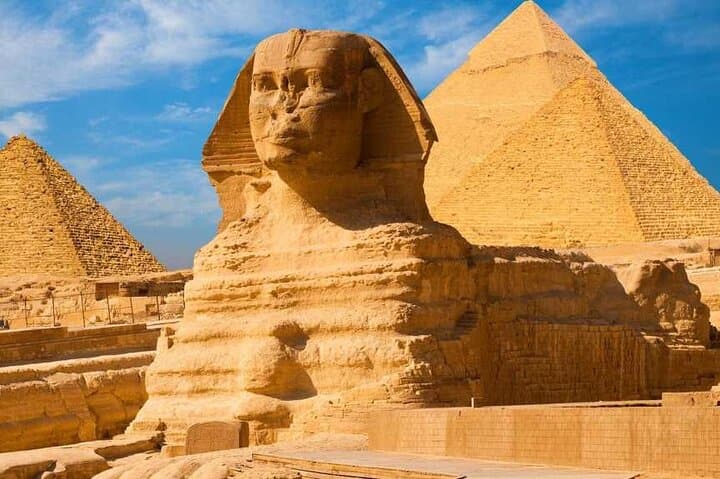
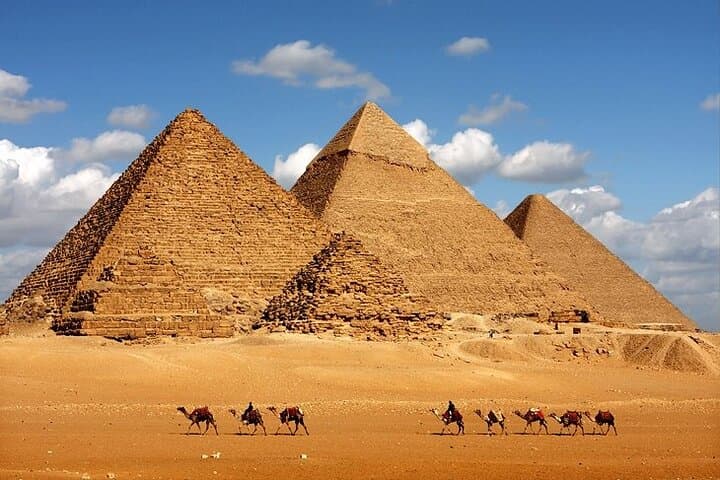
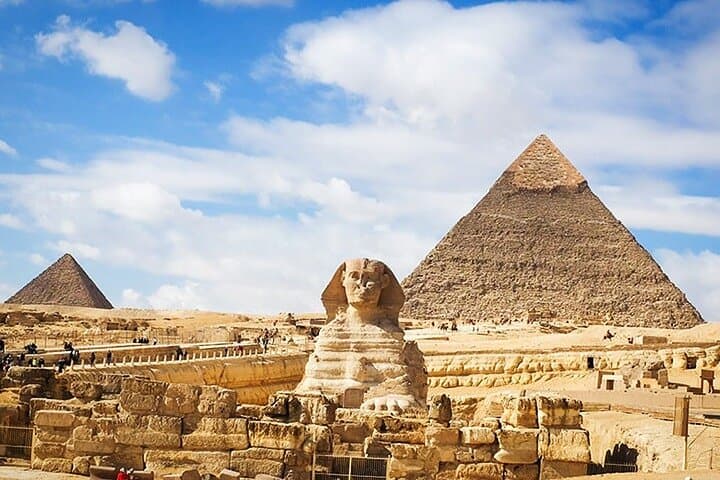
Fly from Sharm el Sheikh for a full-day exploration of Cairo’s Giza Plateau—see the Pyramids of Cheops, Chephren and Mykerinus, the Great Sphinx, and the Egyptian Museum. This long but rewarding day blends desert scale with museum riches; prepare for a fast-paced, sun-exposed itinerary.
Fly from Sharm el Sheikh for a full-day exploration of Cairo’s Giza Plateau—see the Pyramids of Cheops, Chephren and Mykerinus, the Great Sphinx, and the Egyptian Museum. This long but rewarding day blends desert scale with museum riches; prepare for a fast-paced, sun-exposed itinerary.
You step off the early flight and the desert air hits like a dry hand guiding you toward a skyline of stone. The Giza Plateau unfolds in low relief—huge, angled silhouettes against a pale sky—while camels and local vendors punctuate the flatness with quiet motion. The first impression is scale: the pyramids are architectural mountains that insist you measure yourself against 4,500 years of human ambition.
Verified experiences and guided adventures in the surrounding area.
Operated by Dahab Safari Day Tours · Giza, Giza Governorate
You step off the early flight and the desert air hits like a dry hand guiding you toward a skyline of stone. The Giza Plateau unfolds in low relief—huge, angled silhouettes against a pale sky—while camels and local vendors punctuate the flatness with quiet motion. The first impression is scale: the pyramids are architectural mountains that insist you measure yourself against 4,500 years of human ambition.
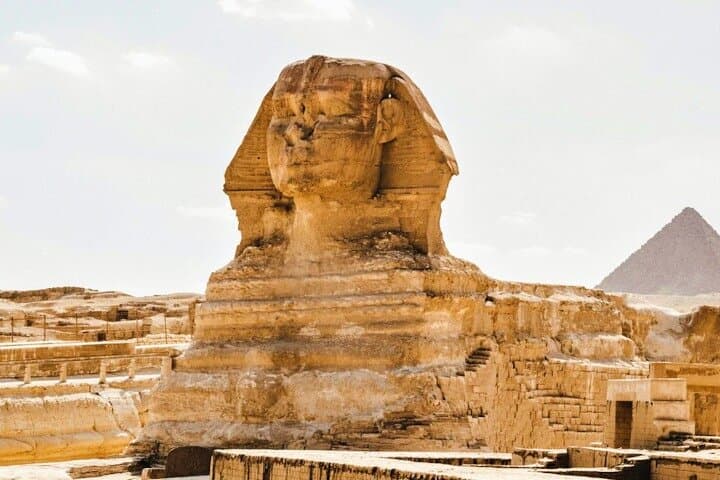
Geology and history meet here. The pyramids are quarried limestone and granite, laid on a raised bedrock plateau that resists Nile floods; their angles reflect both astronomical knowledge and logistical mastery. The Great Sphinx, carved from the same plateau, watches the desert with a weathered face once kept bright by ancient pigments. At the Egyptian Museum, 250,000 artifacts trace pharaonic craft and funerary practice—Tutankhamen’s gold remains a visceral reminder of burial politics and early 20th-century archaeology.
Culture in Cairo is layered: traders at the foot of the plateau echo pharaonic-era commerce, while modern Cairo hums a different rhythm along the Nile. Expect a day of brisk movement between open-air sites and museum halls, with lunch at a local restaurant offering familiar Egyptian dishes.
Practical notes: this is a long day—early pickup, an internal flight, and 14 hours total—so hydrate and carry sun protection. Security checks are routine; keep passports handy. Footwear should handle sand, uneven stone, and museum floors. Allow time for photos, short rest breaks, and a wind that will always remind you this landscape shaped civilizations and keeps testing those who visit.
easy.
14 hours.
Suitable for most travelers in general health; stamina needed for a long day of standing and walking.
Yes—the tour description indicates admission to the Giza complex and the Egyptian Museum are included in the itinerary.
The total duration listed is approximately 14 hours, accounting for pickup, flight time, transfers, site visits, and return.
The tour accommodates infants (lap seating available) but the plateau has uneven surfaces and limited wheelchair access; check specific pickup options and accessibility in advance.
Lunch at a local restaurant is included; advise operators of dietary restrictions when booking.
The Giza monuments date to Egypt’s Old Kingdom (c. 2600–2500 BCE); the plateau’s pyramids were royal tombs designed to align with celestial and ritual needs.
Ongoing conservation efforts balance visitor access with preservation; follow signage, avoid touching masonry, and support licensed guides and site fees that fund maintenance.
Dahab Safari Day Tours operates guided outdoor trips and adventures with an emphasis on safety, stewardship, and memorable experiences.
You step off the early flight and the desert air hits like a dry hand guiding you toward a skyline of stone. The Giza Plateau unfolds in low relief—huge, angled silhouettes against a pale sky—while camels and local vendors punctuate the flatness with quiet motion. The first impression is scale: the pyramids are architectural mountains that insist you measure yourself against 4,500 years of human ambition.
You step off the early flight and the desert air hits like a dry hand guiding you toward a skyline of stone. The Giza Plateau unfolds in low relief—huge, angled silhouettes against a pale sky—while camels and local vendors punctuate the flatness with quiet motion. The first impression is scale: the pyramids are architectural mountains that insist you measure yourself against 4,500 years of human ambition.
Geology and history meet here. The pyramids are quarried limestone and granite, laid on a raised bedrock plateau that resists Nile floods; their angles reflect both astronomical knowledge and logistical mastery. The Great Sphinx, carved from the same plateau, watches the desert with a weathered face once kept bright by ancient pigments. At the Egyptian Museum, 250,000 artifacts trace pharaonic craft and funerary practice—Tutankhamen’s gold remains a visceral reminder of burial politics and early 20th-century archaeology.
Culture in Cairo is layered: traders at the foot of the plateau echo pharaonic-era commerce, while modern Cairo hums a different rhythm along the Nile. Expect a day of brisk movement between open-air sites and museum halls, with lunch at a local restaurant offering familiar Egyptian dishes.
Practical notes: this is a long day—early pickup, an internal flight, and 14 hours total—so hydrate and carry sun protection. Security checks are routine; keep passports handy. Footwear should handle sand, uneven stone, and museum floors. Allow time for photos, short rest breaks, and a wind that will always remind you this landscape shaped civilizations and keeps testing those who visit.