THE ADVENTURE COLLECTIVE® · Independent discovery and booking for outdoor travel

A full‑day drive from Addis Ababa delivers a dramatic canyon, a 16th‑century Portuguese Bridge, waterfall views and close encounters with gelada baboons. This accessible hike combines geology, birdwatching and monastic history in one compact outing.
A full‑day drive from Addis Ababa delivers a dramatic canyon, a 16th‑century Portuguese Bridge, waterfall views and close encounters with gelada baboons. This accessible hike combines geology, birdwatching and monastic history in one compact outing.
You step from an air-conditioned vehicle onto a sun-baked rim and the landscape opens like a page torn out of geology class — a steep-walled canyon carved into the Ethiopian highlands, cliffs daring you to peer over. Ahead, the 16th‑century Portuguese Bridge spans a narrow gorge; water still sings below and a waterfall threads the rockface. Gelada baboons move in deliberate bands on the slopes while lammergeiers wheel overhead, the air full of the rasp of barbets and woodpeckers.
Verified experiences and guided adventures in the surrounding area.
Operated by Milly Ethiopia Tours & Car rental · Debre Libanos, Oromia
You step from an air-conditioned vehicle onto a sun-baked rim and the landscape opens like a page torn out of geology class — a steep-walled canyon carved into the Ethiopian highlands, cliffs daring you to peer over. Ahead, the 16th‑century Portuguese Bridge spans a narrow gorge; water still sings below and a waterfall threads the rockface. Gelada baboons move in deliberate bands on the slopes while lammergeiers wheel overhead, the air full of the rasp of barbets and woodpeckers.
The bridge and nearby monastery speak to Ethiopia’s layered history: 16th‑century contact with Portuguese expeditions, deep Orthodox Christian roots, and local monastic traditions that have anchored the site for centuries. Geologically, the gorge is cut into volcanic plateau and limestone outcrops, producing dramatic cliffs and small caves that people once used for shelter and worship.
On the ground the trip balances natural spectacle with approachable adventure — a roughly three‑hour guided hike that crosses the old bridge, passes a waterfall and a cave, and delivers multiple birdwatching stops. Expect uneven trails, a few steep scrambles, and cultural stops at the monastery that require modest dress and quiet. Practical timing: plan a full‑day outing from Addis (roughly 110 km each way), bring sun protection, sturdy footwear, and at least 2 liters of water, and leave time for roadside coffee in small villages en route.
This is a day for steady hiking, close wildlife encounters, and quiet history — a compact, satisfying slice of Ethiopia’s highland character with real payoff for minimal technical effort.
moderate.
8–10 hours.
Comfortable for anyone who can handle a 3‑hour hike with short steep sections and daylong travel from Addis.
The guided hike itself is about 3 hours, covering the bridge, waterfall, cave and nearby viewpoints; the full tour including driving is a full‑day outing.
Geladas are commonly seen on the slopes; you can observe them closely with binoculars but should not approach or feed them.
Children in good health can join, but infants must sit on an adult’s lap; the operator provides infant seats on request.
Yes — entrance fees and a provided lunch, bottled water and tea/coffee are included in the tour price.
The Portuguese Bridge dates to the 16th century, reflecting early contact between Portuguese expeditions and Ethiopian Christian kingdoms and sits near long‑standing monastic sites.
Stick to trails, avoid feeding wildlife, and follow monastery rules; local guides help minimize visitor impact on sensitive bird and mammal populations.
Milly Ethiopia Tours & Car rental operates guided outdoor trips and adventures with an emphasis on safety, stewardship, and memorable experiences.
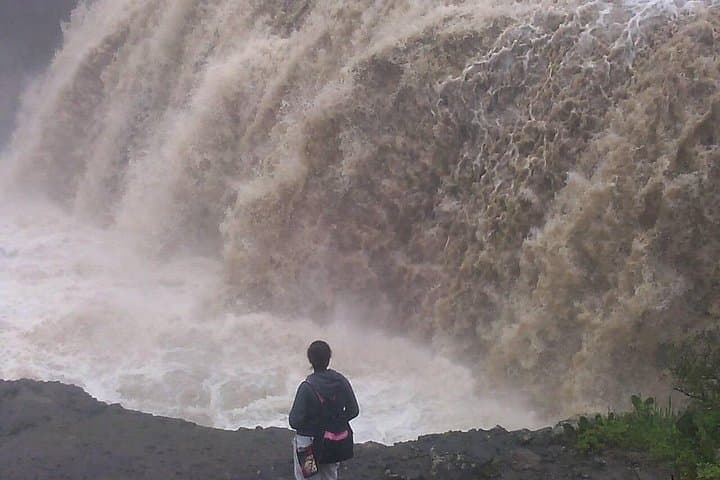
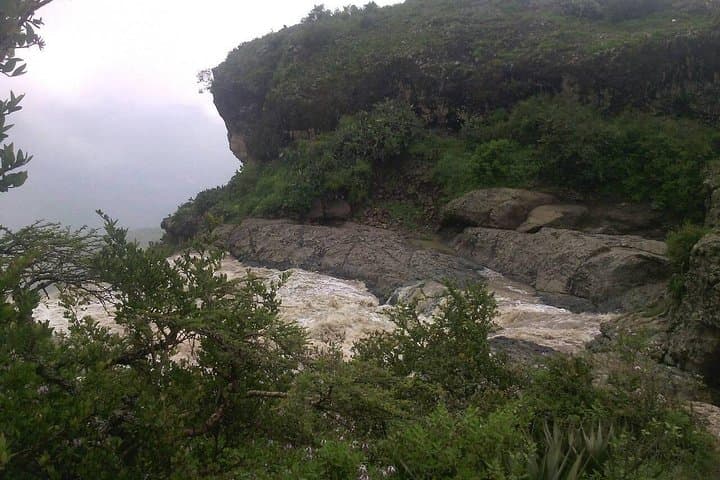
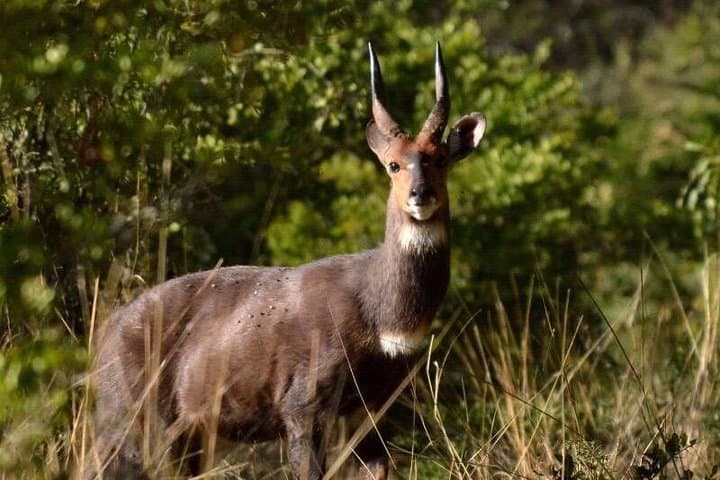
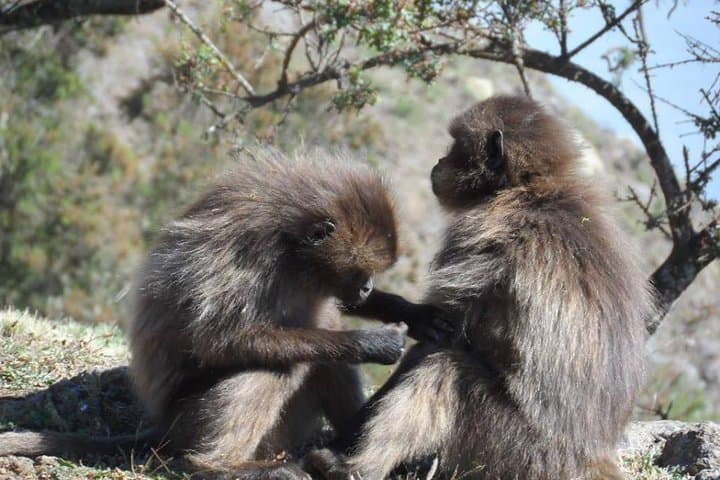
You step from an air-conditioned vehicle onto a sun-baked rim and the landscape opens like a page torn out of geology class — a steep-walled canyon carved into the Ethiopian highlands, cliffs daring you to peer over. Ahead, the 16th‑century Portuguese Bridge spans a narrow gorge; water still sings below and a waterfall threads the rockface. Gelada baboons move in deliberate bands on the slopes while lammergeiers wheel overhead, the air full of the rasp of barbets and woodpeckers.
You step from an air-conditioned vehicle onto a sun-baked rim and the landscape opens like a page torn out of geology class — a steep-walled canyon carved into the Ethiopian highlands, cliffs daring you to peer over. Ahead, the 16th‑century Portuguese Bridge spans a narrow gorge; water still sings below and a waterfall threads the rockface. Gelada baboons move in deliberate bands on the slopes while lammergeiers wheel overhead, the air full of the rasp of barbets and woodpeckers.
The bridge and nearby monastery speak to Ethiopia’s layered history: 16th‑century contact with Portuguese expeditions, deep Orthodox Christian roots, and local monastic traditions that have anchored the site for centuries. Geologically, the gorge is cut into volcanic plateau and limestone outcrops, producing dramatic cliffs and small caves that people once used for shelter and worship.
On the ground the trip balances natural spectacle with approachable adventure — a roughly three‑hour guided hike that crosses the old bridge, passes a waterfall and a cave, and delivers multiple birdwatching stops. Expect uneven trails, a few steep scrambles, and cultural stops at the monastery that require modest dress and quiet. Practical timing: plan a full‑day outing from Addis (roughly 110 km each way), bring sun protection, sturdy footwear, and at least 2 liters of water, and leave time for roadside coffee in small villages en route.
This is a day for steady hiking, close wildlife encounters, and quiet history — a compact, satisfying slice of Ethiopia’s highland character with real payoff for minimal technical effort.