THE ADVENTURE COLLECTIVE® · Independent discovery and booking for outdoor travel

Drive out of Kampala for a short, accessible excursion to Kayabwe where the equator passes through Uganda. Expect a compact cultural stop—interactive demonstrations, craft stalls, and a local lunch—perfect for a half-day outing.
Drive out of Kampala for a short, accessible excursion to Kayabwe where the equator passes through Uganda. Expect a compact cultural stop—interactive demonstrations, craft stalls, and a local lunch—perfect for a half-day outing.
You roll out of Kampala before breakfast and the city loosens its grip—traffic thins, fields push closer, and the air grows greener. The Mpigi–Masaka highway hums beneath the vehicle as the landscape flattens toward Kayabwe, where a simple painted line stakes the planet’s 0° latitude. The equator here feels deliberate yet everyday: schoolchildren posing for photos, stallholders arranging wooden souvenirs, and guides demonstrating the playful physics tricks that draw visitors.
Verified experiences and guided adventures in the surrounding area.
We couldn't find other adventures in this immediate radius right now. Browse our directory for more options.
Browse all experiencesOperated by East African Jungle Safaris ltd · Kayabwe, Mpigi District
You roll out of Kampala before breakfast and the city loosens its grip—traffic thins, fields push closer, and the air grows greener. The Mpigi–Masaka highway hums beneath the vehicle as the landscape flattens toward Kayabwe, where a simple painted line stakes the planet’s 0° latitude. The equator here feels deliberate yet everyday: schoolchildren posing for photos, stallholders arranging wooden souvenirs, and guides demonstrating the playful physics tricks that draw visitors.
Geology and history are quiet companions: the line marks a geodetic reference rather than any dramatic seam in the earth, a legacy of exploration and mapping that tied colonial surveys to local livelihoods. Culturally, the spot has become a crossroads—tourism supporting small craft sellers while nearby farms continue traditional banana and coffee cultivation.
The visit is straightforward: a short walk around the marker, a few photo demonstrations, and time to browse craft stalls before a two-course lunch at a local eatery. Expect paved parking, short paved paths, and low grassy berms—accessible for most mobility levels.
Practical guidance: plan for roughly 3–4 hours total from central Kampala depending on traffic (the drive is commonly about 1.5–2 hours each way). Bring sun protection and water even on overcast days, and carry small cash for crafts. Morning departures avoid the hottest hours and allow more relaxed driving. Respect vendor prices, ask before photographing locals, and leave no litter; the site is small and easy to impact. This is a low-effort, high-reward cultural stop that fits neatly into a single morning or afternoon outing.
easy.
3–4 hours.
Suitable for most fitness levels; involves short, flat walks and minimal standing.
Typical roundtrip time including the stop is about 3–4 hours; the drive to Kayabwe usually takes 1.5–2 hours depending on traffic.
The painted line and monuments mark the surveyed position of 0° latitude for visitors; slight differences exist between markers but they represent the equator for practical purposes.
Most organized day tours include bottled water and a two-course lunch; bring extra water if you prefer continuous sipping.
The main viewing area and parking are generally accessible with short paved paths, but accessibility can vary—check tour details if you require specific accommodations.
The equator marker at Kayabwe has become a modern cultural waypoint built on historical survey work that mapped Uganda’s latitudinal line during colonial-era expeditions.
The site is small and sensitive to litter and foot traffic—support local sellers, avoid single-use plastics where possible, and carry out what you carry in.
East African Jungle Safaris ltd operates guided outdoor trips and adventures with an emphasis on safety, stewardship, and memorable experiences.
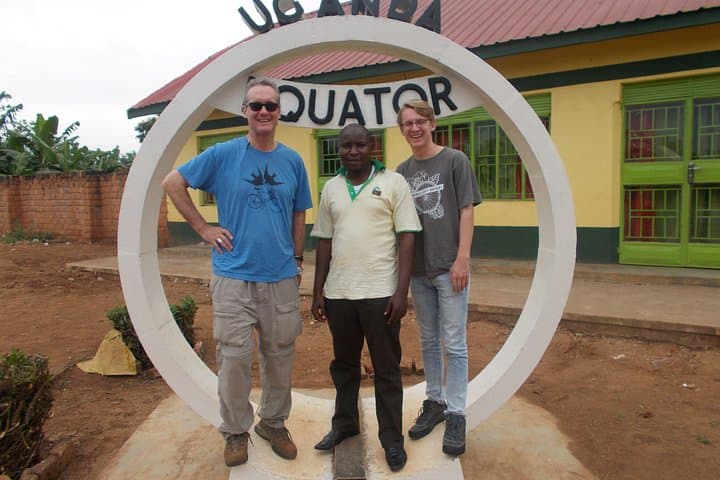
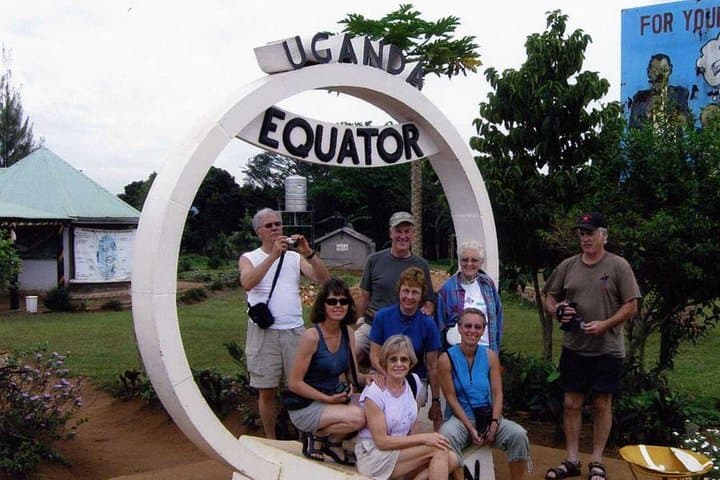
You roll out of Kampala before breakfast and the city loosens its grip—traffic thins, fields push closer, and the air grows greener. The Mpigi–Masaka highway hums beneath the vehicle as the landscape flattens toward Kayabwe, where a simple painted line stakes the planet’s 0° latitude. The equator here feels deliberate yet everyday: schoolchildren posing for photos, stallholders arranging wooden souvenirs, and guides demonstrating the playful physics tricks that draw visitors.
You roll out of Kampala before breakfast and the city loosens its grip—traffic thins, fields push closer, and the air grows greener. The Mpigi–Masaka highway hums beneath the vehicle as the landscape flattens toward Kayabwe, where a simple painted line stakes the planet’s 0° latitude. The equator here feels deliberate yet everyday: schoolchildren posing for photos, stallholders arranging wooden souvenirs, and guides demonstrating the playful physics tricks that draw visitors.
Geology and history are quiet companions: the line marks a geodetic reference rather than any dramatic seam in the earth, a legacy of exploration and mapping that tied colonial surveys to local livelihoods. Culturally, the spot has become a crossroads—tourism supporting small craft sellers while nearby farms continue traditional banana and coffee cultivation.
The visit is straightforward: a short walk around the marker, a few photo demonstrations, and time to browse craft stalls before a two-course lunch at a local eatery. Expect paved parking, short paved paths, and low grassy berms—accessible for most mobility levels.
Practical guidance: plan for roughly 3–4 hours total from central Kampala depending on traffic (the drive is commonly about 1.5–2 hours each way). Bring sun protection and water even on overcast days, and carry small cash for crafts. Morning departures avoid the hottest hours and allow more relaxed driving. Respect vendor prices, ask before photographing locals, and leave no litter; the site is small and easy to impact. This is a low-effort, high-reward cultural stop that fits neatly into a single morning or afternoon outing.