THE ADVENTURE COLLECTIVE® · Independent discovery and booking for outdoor travel

Spend a day leaving Marrakech behind to follow rushing rivers, terraced fields and village paths through the Ourika, Sidi Fares and Asni valleys. This guided trip blends waterfalls, plateau views and encounters with Berber communities for a compact Atlas Mountains experience.
Spend a day leaving Marrakech behind to follow rushing rivers, terraced fields and village paths through the Ourika, Sidi Fares and Asni valleys. This guided trip blends waterfalls, plateau views and encounters with Berber communities for a compact Atlas Mountains experience.
The bus eases out of Marrakech and the city’s dust gives way to terraces and stone lanes—olive trees leaning like old storytellers and rivers that dare you to follow them upriver.
Verified experiences and guided adventures in the surrounding area.
Operated by Marrakech experiences · Marrakech, Marrakesh-Safi
The bus eases out of Marrakech and the city’s dust gives way to terraces and stone lanes—olive trees leaning like old storytellers and rivers that dare you to follow them upriver.
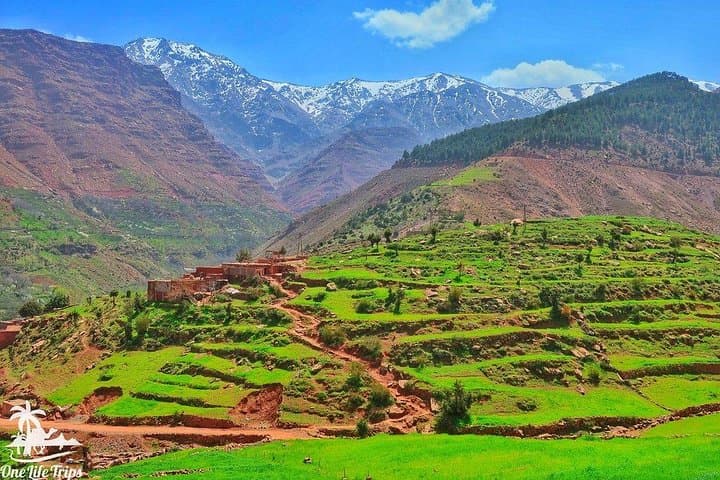
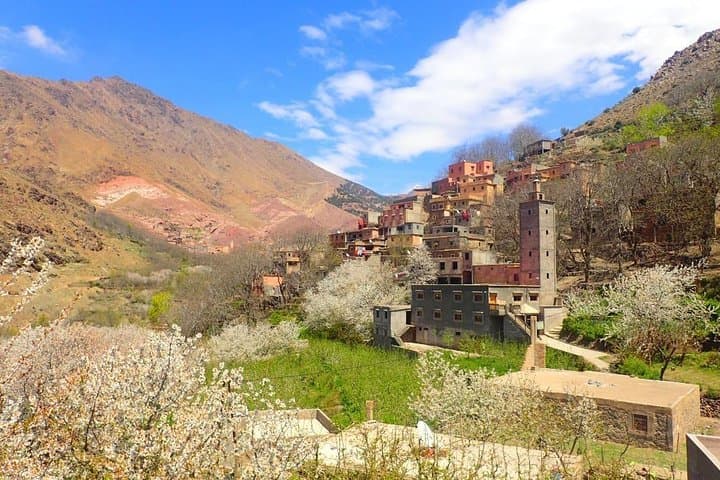
This full-day guided loop moves through the Ourika, Sidi Fares and Asni valleys, each valley changing tone as you drive: from almond blossoms in early spring to wheat-green fields on the Kik Plateau and the copper and ochre of autumn slopes. The route passes small Berber villages where adobe houses cling to hillsides, beehives hum beneath fig trees, and tea is more social contract than drink. Geologically, you’re skirting the northern edge of the High Atlas: folded sedimentary ridges carved by seasonal rivers and, in higher pockets, snow-capped peaks that feed the gullies.
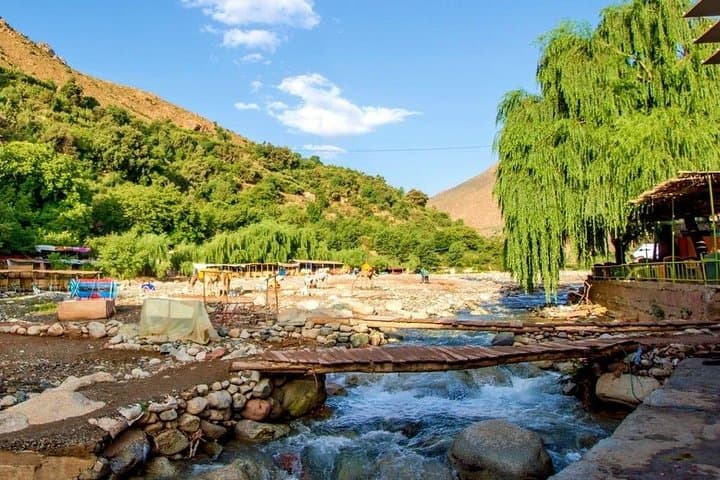
Expect short walks on uneven village tracks and riverbanks, a tea stop in a family home, and a chance to ride a camel on rock-strewn flats if you opt in. Guides explain local agricultural cycles—olive press seasons, almond blossom timing—and point out artisan workshops where carpets, pottery and hammered metal reflect centuries-old techniques.
Practical side: this is a low-impact, accessible day trip that still rewards sturdy footwear and sun protection. Carry water, support local vendors directly, and schedule mornings for waterfalls and afternoons for plateau vistas when light is best. If you want quieter moments, ask your guide for a short detour to a lesser-known viewpoint; small groups move faster and create better chances to meet locals without crowding them.
Travelers leave with landscapes printed in memory and an uncomplicated sense of how mountain life and Marrakech’s rhythm connect.
easy.
7 hours.
Suitable for travelers in average physical condition; involves short, gentle walks over uneven ground and minimal elevation change.
The tour is approximately 7 hours and departs from central Marrakech with hotel pick-up and drop-off in an air-conditioned vehicle.
No technical hikes are required—short walks on uneven terrain are typical; the trip is listed as suitable for all fitness levels.
A camel ride is offered as part of the experience; check the itinerary for whether it’s included or available as an optional extra.
Bring Moroccan dirham in small denominations for tips, refreshments and local purchases—many small vendors do not accept cards.
The valleys are home to Amazigh (Berber) communities whose terraced agriculture and clay architecture reflect centuries of adapting to seasonal water and mountain soils.
Water is a limiting resource; support local guides and vendors, avoid single-use plastics, and stick to paths to reduce erosion and disturbance to terraces.
Marrakech experiences operates guided outdoor trips and adventures with an emphasis on safety, stewardship, and memorable experiences.
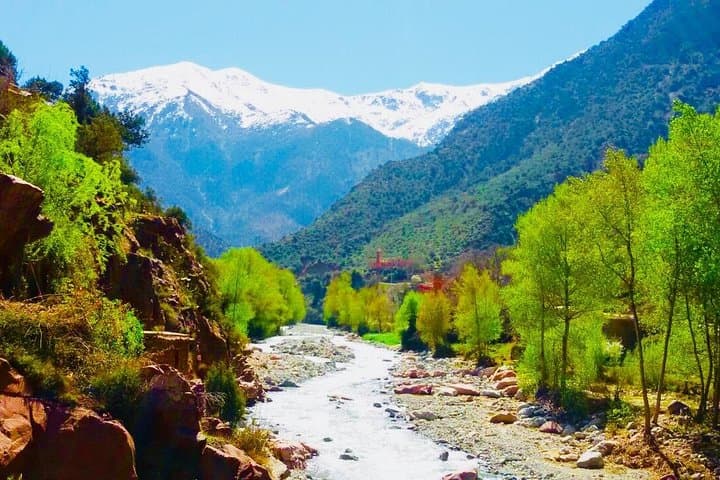
The bus eases out of Marrakech and the city’s dust gives way to terraces and stone lanes—olive trees leaning like old storytellers and rivers that dare you to follow them upriver.
The bus eases out of Marrakech and the city’s dust gives way to terraces and stone lanes—olive trees leaning like old storytellers and rivers that dare you to follow them upriver.
This full-day guided loop moves through the Ourika, Sidi Fares and Asni valleys, each valley changing tone as you drive: from almond blossoms in early spring to wheat-green fields on the Kik Plateau and the copper and ochre of autumn slopes. The route passes small Berber villages where adobe houses cling to hillsides, beehives hum beneath fig trees, and tea is more social contract than drink. Geologically, you’re skirting the northern edge of the High Atlas: folded sedimentary ridges carved by seasonal rivers and, in higher pockets, snow-capped peaks that feed the gullies.
Expect short walks on uneven village tracks and riverbanks, a tea stop in a family home, and a chance to ride a camel on rock-strewn flats if you opt in. Guides explain local agricultural cycles—olive press seasons, almond blossom timing—and point out artisan workshops where carpets, pottery and hammered metal reflect centuries-old techniques.
Practical side: this is a low-impact, accessible day trip that still rewards sturdy footwear and sun protection. Carry water, support local vendors directly, and schedule mornings for waterfalls and afternoons for plateau vistas when light is best. If you want quieter moments, ask your guide for a short detour to a lesser-known viewpoint; small groups move faster and create better chances to meet locals without crowding them.
Travelers leave with landscapes printed in memory and an uncomplicated sense of how mountain life and Marrakech’s rhythm connect.