THE ADVENTURE COLLECTIVE® · Independent discovery and booking for outdoor travel

Spend a full day in the High Atlas from Marrakech—walk between Berber villages, ride a camel through Moulay Brahim Gorge, and share lunch at a mountain house. Practical, cultural and scenic, this accessible day trip delivers a concise taste of Atlas life.
Spend a full day in the High Atlas from Marrakech—walk between Berber villages, ride a camel through Moulay Brahim Gorge, and share lunch at a mountain house. Practical, cultural and scenic, this accessible day trip delivers a concise taste of Atlas life.
Morning light breaks over Marrakech as the minivan pulls away, trading ochre riads for a ribbon of road that climbs into the High Atlas. Within an hour the city’s heat loosens and the air sharpens—olive terraces, stone villages and terraced slopes pass like chapters in a landscape guide. By mid-morning the group reaches the Imlil valley: a working mountain place where stone houses cling to gullies and a clear stream dares you to follow it upstream.
Verified experiences and guided adventures in the surrounding area.
Operated by Marrakech Outdoor Trips · Imlil, Marrakech-Safi
Morning light breaks over Marrakech as the minivan pulls away, trading ochre riads for a ribbon of road that climbs into the High Atlas. Within an hour the city’s heat loosens and the air sharpens—olive terraces, stone villages and terraced slopes pass like chapters in a landscape guide. By mid-morning the group reaches the Imlil valley: a working mountain place where stone houses cling to gullies and a clear stream dares you to follow it upstream.
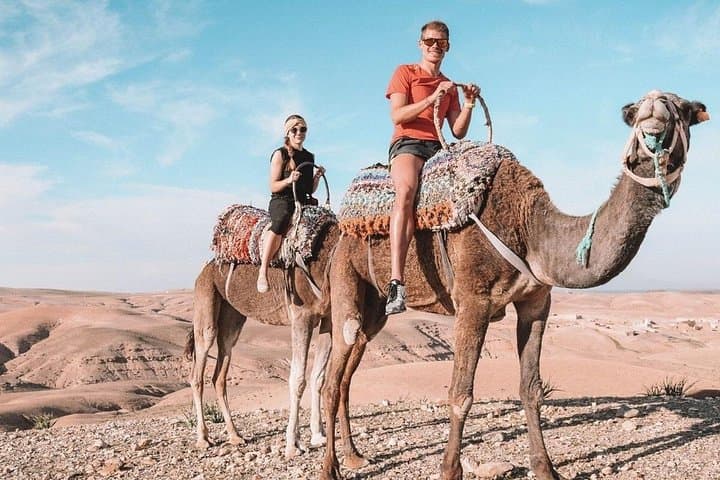
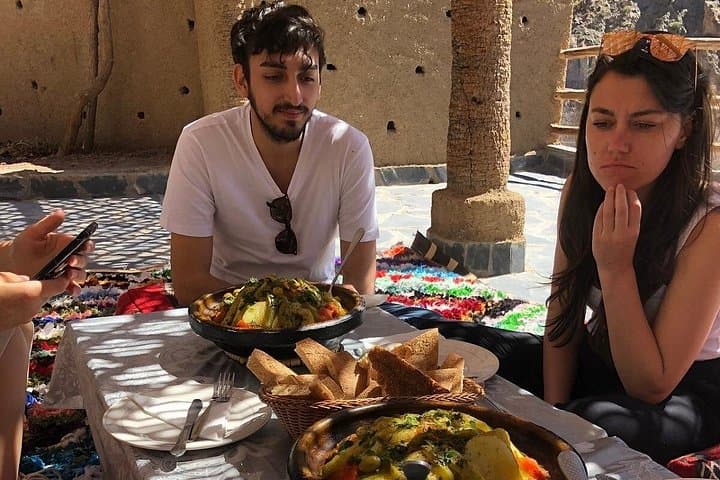
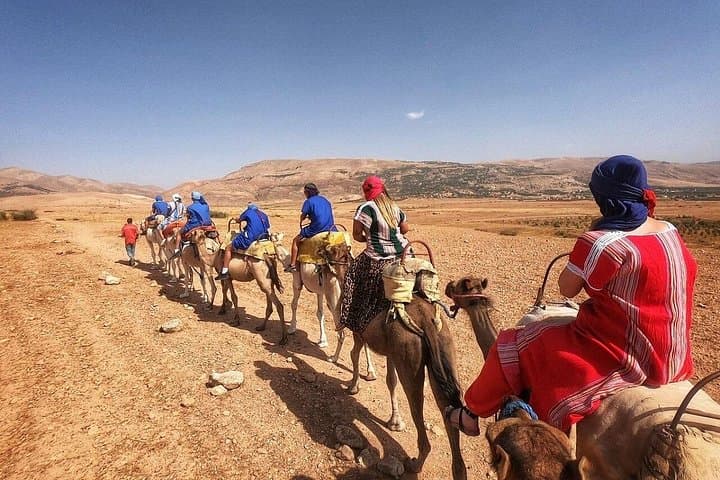
The Atlas range is geologically young—folded rock and erosion have carved steep gorges and scree slopes that direct runoff toward distant plains. Culturally, the valleys remain anchored by Berber (Amazigh) villages where agriculture and pastoralism shape rhythms; local guesthouses and weekly markets have long been hubs of exchange. On this day tour, expect guided walks between villages, a stop at a Berber house for mint tea and walnut, a gentle camel ride through a gorge, and a simple lunch in Tagadirt.
Practicalities matter: trails are uneven with short climbs and loose rock. Footwear with ankle support and layered clothing will handle temperature swings between village shade and exposed ridgelines. Hydrate frequently—bottled water is included but a refillable bottle is handy. Timing a visit for a market day (Asni on Saturday) multiplies the cultural payoff.
This route suits travelers looking for accessible mountain walking, hands-on cultural exchange and a dose of highland scenery without multi-day logistics. Respect local customs, pack out waste, and leave routes as you found them—the Atlas is both a livelihood and a landscape that responds to careful visitors.
moderate.
8–10 hours.
Suitable for people with regular walking fitness; expect uneven terrain and short climbs.
Drive time is roughly 1.5–2 hours each way depending on traffic and exact pickup point.
Yes—camel rides on the route are short and generally family-friendly, but children should be accompanied and follow the handler's instructions.
A traditional lunch at a Berber house and bottled water are included in the tour price.
No advanced fitness is required, but you should be comfortable on uneven trails and able to walk short uphill sections.
The High Atlas has long been home to Amazigh (Berber) communities that managed trade routes and seasonal agriculture between the plains and desert margins.
These valleys are ecologically sensitive—stay on trails, minimize waste, and support local guides to benefit conservation through community income.
Marrakech Outdoor Trips operates guided outdoor trips and adventures with an emphasis on safety, stewardship, and memorable experiences.
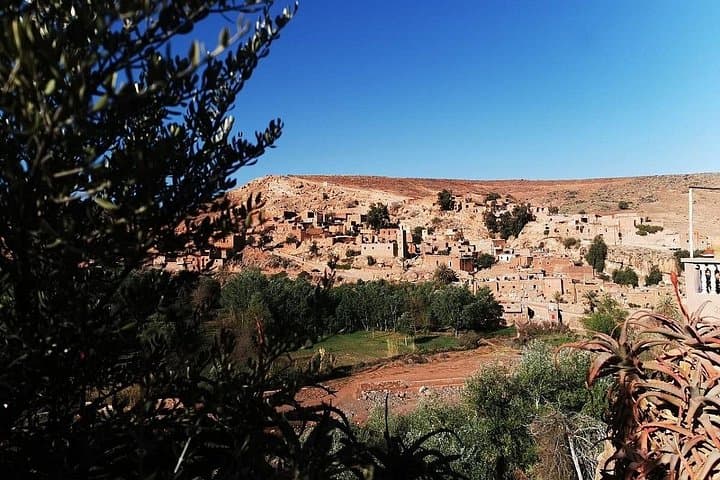
Morning light breaks over Marrakech as the minivan pulls away, trading ochre riads for a ribbon of road that climbs into the High Atlas. Within an hour the city’s heat loosens and the air sharpens—olive terraces, stone villages and terraced slopes pass like chapters in a landscape guide. By mid-morning the group reaches the Imlil valley: a working mountain place where stone houses cling to gullies and a clear stream dares you to follow it upstream.
Morning light breaks over Marrakech as the minivan pulls away, trading ochre riads for a ribbon of road that climbs into the High Atlas. Within an hour the city’s heat loosens and the air sharpens—olive terraces, stone villages and terraced slopes pass like chapters in a landscape guide. By mid-morning the group reaches the Imlil valley: a working mountain place where stone houses cling to gullies and a clear stream dares you to follow it upstream.
The Atlas range is geologically young—folded rock and erosion have carved steep gorges and scree slopes that direct runoff toward distant plains. Culturally, the valleys remain anchored by Berber (Amazigh) villages where agriculture and pastoralism shape rhythms; local guesthouses and weekly markets have long been hubs of exchange. On this day tour, expect guided walks between villages, a stop at a Berber house for mint tea and walnut, a gentle camel ride through a gorge, and a simple lunch in Tagadirt.
Practicalities matter: trails are uneven with short climbs and loose rock. Footwear with ankle support and layered clothing will handle temperature swings between village shade and exposed ridgelines. Hydrate frequently—bottled water is included but a refillable bottle is handy. Timing a visit for a market day (Asni on Saturday) multiplies the cultural payoff.
This route suits travelers looking for accessible mountain walking, hands-on cultural exchange and a dose of highland scenery without multi-day logistics. Respect local customs, pack out waste, and leave routes as you found them—the Atlas is both a livelihood and a landscape that responds to careful visitors.