THE ADVENTURE COLLECTIVE® · Independent discovery and booking for outdoor travel

Spend a full day in Tarangire National Park, scanning mopane woodlands and river corridors from an open-roof 4x4. Expect concentrated elephant herds, prolific birds, and guided game drives with pickup from Arusha.
Spend a full day in Tarangire National Park, scanning mopane woodlands and river corridors from an open-roof 4x4. Expect concentrated elephant herds, prolific birds, and guided game drives with pickup from Arusha.
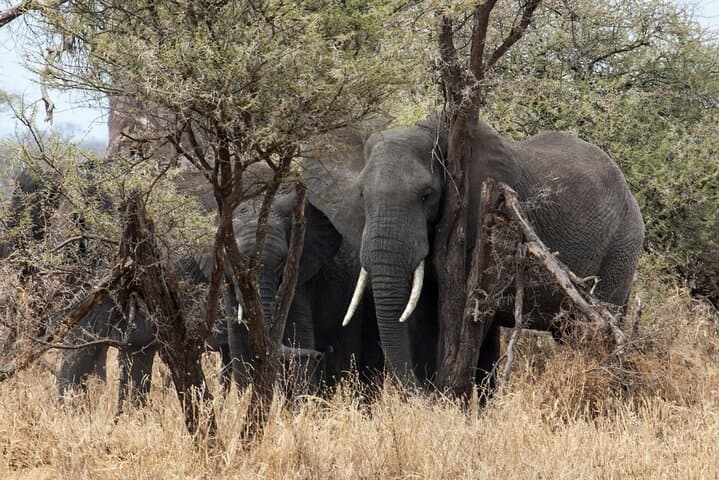
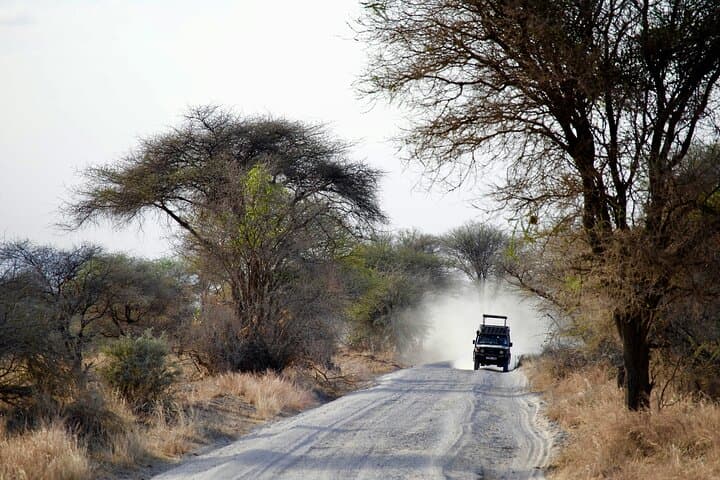
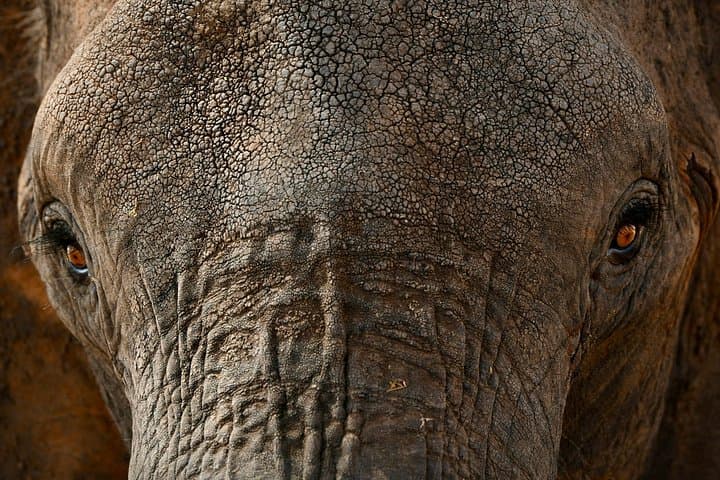
You step from the vehicle as the dry heat pushes at your collar and the plain answers itself before you—tufts of yellow grass, skeletal baobabs, and a line of elephants moving with patient purpose. The pop-up roof of a 4x4 gives you a view that feels immediate: trunks probing the earth, birds riding backs like punctuation marks.
Verified experiences and guided adventures in the surrounding area.
Operated by Expedition Happy Hour · Arusha, Manyara Region
You step from the vehicle as the dry heat pushes at your collar and the plain answers itself before you—tufts of yellow grass, skeletal baobabs, and a line of elephants moving with patient purpose. The pop-up roof of a 4x4 gives you a view that feels immediate: trunks probing the earth, birds riding backs like punctuation marks.
Tarangire sits in northern Tanzania’s Manyara region and is geologically shaped by ancient lake basins and seasonal rivers that gather wildlife around shrinking water in the dry months. The park’s cultural history is braided with Maasai pastoral traditions—herdsmen read the land the way guides read spoor—and colonial-era conservation decisions that established Tarangire to protect its migratory corridors.
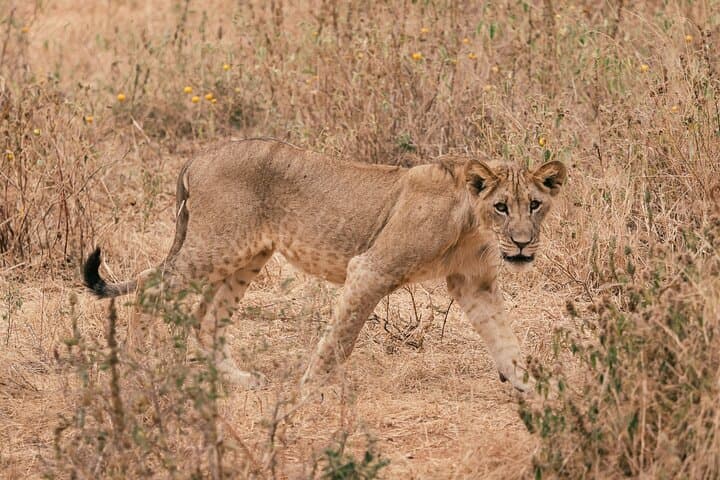
On a day trip from Arusha expect a two-hour drive each way, mid-morning arrival, and back in the early evening. Game drives sweep through riverine corridors and mopane woodlands where bush elephants concentrate; predators like lions and leopards are possible but elusive. Birdlife is prolific—raptors and ground-dwelling bustards animate the sky and scrub.
Practical guidance: travel light but prepared—bring binoculars, sun protection, and a neutral-colored jacket for mornings. Vehicles are open-roof 4x4s with an experienced guide who will choose trails that maximize sightings while minimizing disturbance.
Timing matters: the dry season condenses wildlife around permanent water and gives predictable sightings; the wet season brings newborns and a different, greener palette. Respect speed limits, keep windows partly closed when predators are near, and follow your guide’s instructions to minimize impact. This is a safari of patient observation—nature will decide when the show starts.
easy.
10–12 hours.
Suitable for most fitness levels; involves long periods sitting in a vehicle with short walks for rest stops.
The itinerary lists park admission as included, but confirm at booking since operators sometimes adjust fees or include them in separate invoices.
Expect roughly a two-hour drive each way depending on pickup location and road conditions; plan for a full-day excursion of about 10–12 hours.
This operator notes stroller and wheelchair accessibility; check specific vehicle and assistance needs when you book to confirm suitability.
Tarangire is famous for large concentrations of elephants, giraffes, buffaloes, zebras and diverse bird species; sightings of predators like lions and leopards occur but are not guaranteed.
Tarangire was designated to protect migratory routes and its distinctive baobab and acacia landscapes; Maasai pastoralists have used these plains for grazing for generations.
Vehicle limits and guided-only access help reduce disturbance; visitors should stay on trails, avoid feeding wildlife, and follow guide instructions to limit impact.
Expedition Happy Hour operates guided outdoor trips and adventures with an emphasis on safety, stewardship, and memorable experiences.
You step from the vehicle as the dry heat pushes at your collar and the plain answers itself before you—tufts of yellow grass, skeletal baobabs, and a line of elephants moving with patient purpose. The pop-up roof of a 4x4 gives you a view that feels immediate: trunks probing the earth, birds riding backs like punctuation marks.
You step from the vehicle as the dry heat pushes at your collar and the plain answers itself before you—tufts of yellow grass, skeletal baobabs, and a line of elephants moving with patient purpose. The pop-up roof of a 4x4 gives you a view that feels immediate: trunks probing the earth, birds riding backs like punctuation marks.
Tarangire sits in northern Tanzania’s Manyara region and is geologically shaped by ancient lake basins and seasonal rivers that gather wildlife around shrinking water in the dry months. The park’s cultural history is braided with Maasai pastoral traditions—herdsmen read the land the way guides read spoor—and colonial-era conservation decisions that established Tarangire to protect its migratory corridors.
On a day trip from Arusha expect a two-hour drive each way, mid-morning arrival, and back in the early evening. Game drives sweep through riverine corridors and mopane woodlands where bush elephants concentrate; predators like lions and leopards are possible but elusive. Birdlife is prolific—raptors and ground-dwelling bustards animate the sky and scrub.
Practical guidance: travel light but prepared—bring binoculars, sun protection, and a neutral-colored jacket for mornings. Vehicles are open-roof 4x4s with an experienced guide who will choose trails that maximize sightings while minimizing disturbance.
Timing matters: the dry season condenses wildlife around permanent water and gives predictable sightings; the wet season brings newborns and a different, greener palette. Respect speed limits, keep windows partly closed when predators are near, and follow your guide’s instructions to minimize impact. This is a safari of patient observation—nature will decide when the show starts.