THE ADVENTURE COLLECTIVE® · Independent discovery and booking for outdoor travel

Escape Osaka for a full-day tour to Tamba-Sasayama—an Edo-era market town of samurai residences, castle ruins, and quiet merchant streets. This guided day trip pairs easy walking with local crafts, shrine visits, and a taste of rural Hyogo.
Escape Osaka for a full-day tour to Tamba-Sasayama—an Edo-era market town of samurai residences, castle ruins, and quiet merchant streets. This guided day trip pairs easy walking with local crafts, shrine visits, and a taste of rural Hyogo.
A morning train slips out of Osaka and the city noise thins into a countryside of low green ridges and rice paddies. By midmorning visitors step onto quiet streets where clay-tiled merchant houses face cobbled lanes, and the air carries the faint scent of cedar and soy sauce from local kitchens.
Verified experiences and guided adventures in the surrounding area.
Operated by MY Travel Consulting · Tamba-Sasayama, Hyogo Prefecture
A morning train slips out of Osaka and the city noise thins into a countryside of low green ridges and rice paddies. By midmorning visitors step onto quiet streets where clay-tiled merchant houses face cobbled lanes, and the air carries the faint scent of cedar and soy sauce from local kitchens.
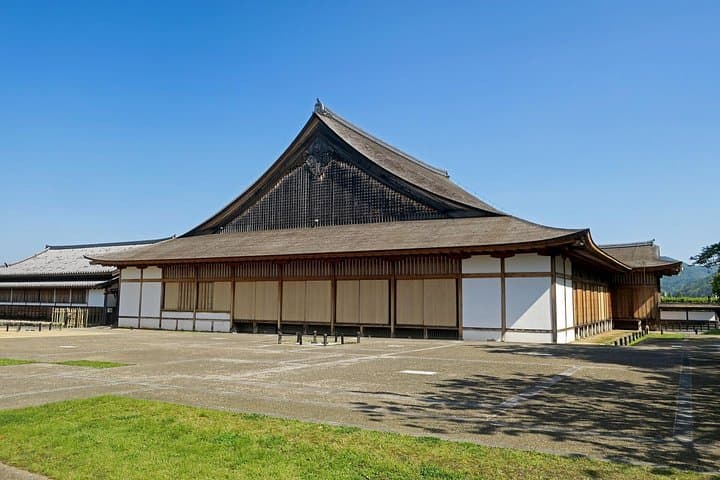
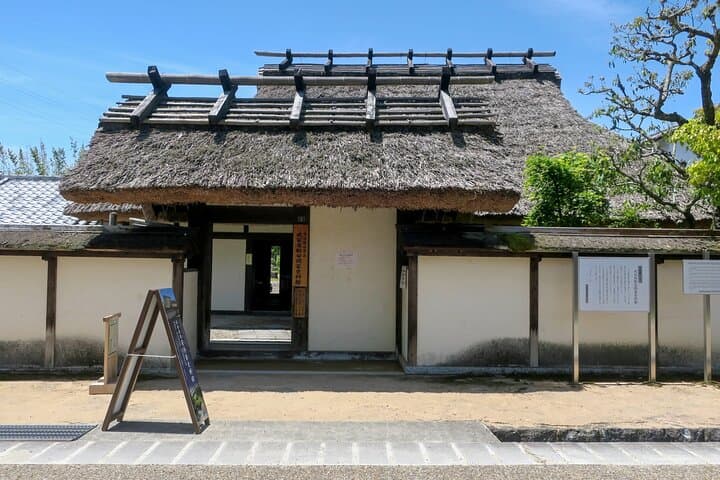
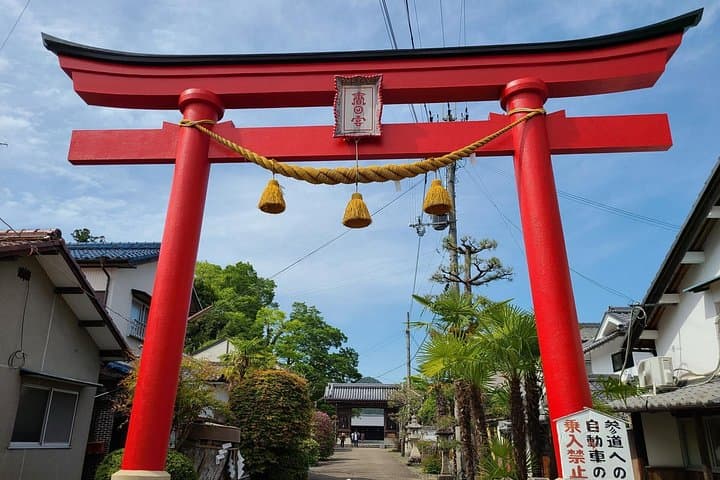
Tamba-Sasayama sits on the edge of the Kansai uplands; its earth is folded by ancient tectonics, giving gentle hills rather than jagged peaks. The area prospered in the Edo period as a transport hub and market town—samurai residences and merchant warehouses remain, showing how commerce and governance shaped the built landscape. Kasuga Shrine and the reconstructed Oshoin at Sasayama Castle anchor the town’s cultural life, while seasonal festivals still mark planting and harvest cycles.
Expect an easy-paced day of walking, short bus or taxi hops, and guided stops: a castle ruin and reconstructed great hall, a samurai family museum, shrine grounds, and a merchant-house street where local crafts and pottery persist. The rhythm is slow—streets that once measured domain boundaries now frame tea shops and workshops.
Practical guidance: start early from Osaka to catch the express train, bring comfortable walking shoes and layers for changing temperatures, and carry water and small cash for entry fees or snacks. Photographs are welcome but observe shrine etiquette and restricted museum areas. If you want quieter moments, slip down a side street after the museum visits—there the town’s details reveal themselves: tiled eaves, hand-forged nails, and a shopkeeper ready with local chestnuts or cured ham.
easy.
8–9 hours.
Suitable for travelers in average physical condition who can walk 2–4 miles on uneven surfaces and stand during guided talks.
The full day tour runs about 8–9 hours door-to-door, including train and local transfers; expect roughly 1–1.5 hours travel each way by express train plus local buses or taxis.
Yes—the itinerary is rated easy with mostly low-impact walking, but participants should be able to walk short distances and manage stairs at historic sites.
Admissions listed in the tour inclusions are typically covered, but confirm whether special exhibitions require extra fees on your travel date.
The listing notes a national licensed English-speaking guide; request other languages at booking but availability may vary.
Tamba-Sasayama flourished in the Edo period as a regional administrative and market town; surviving samurai houses and merchant warehouses reflect that layered social structure.
The town depends on heritage preservation—stay on marked paths in historic districts, avoid touching artifacts, and carry out trash to help maintain fragile wooden structures.
MY Travel Consulting operates guided outdoor trips and adventures with an emphasis on safety, stewardship, and memorable experiences.
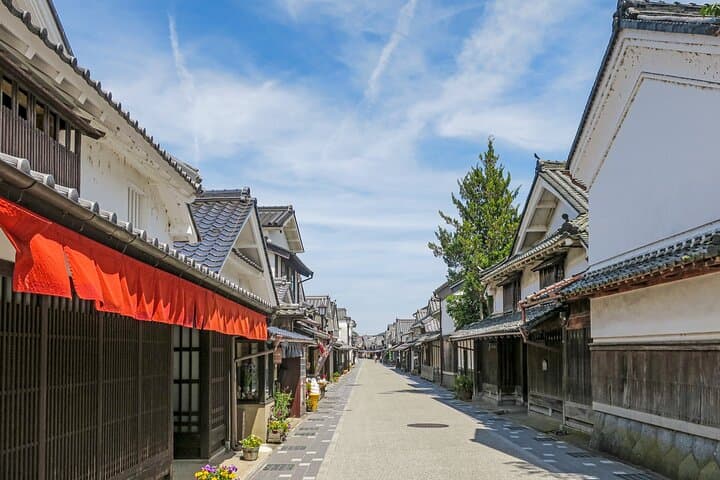
A morning train slips out of Osaka and the city noise thins into a countryside of low green ridges and rice paddies. By midmorning visitors step onto quiet streets where clay-tiled merchant houses face cobbled lanes, and the air carries the faint scent of cedar and soy sauce from local kitchens.
A morning train slips out of Osaka and the city noise thins into a countryside of low green ridges and rice paddies. By midmorning visitors step onto quiet streets where clay-tiled merchant houses face cobbled lanes, and the air carries the faint scent of cedar and soy sauce from local kitchens.
Tamba-Sasayama sits on the edge of the Kansai uplands; its earth is folded by ancient tectonics, giving gentle hills rather than jagged peaks. The area prospered in the Edo period as a transport hub and market town—samurai residences and merchant warehouses remain, showing how commerce and governance shaped the built landscape. Kasuga Shrine and the reconstructed Oshoin at Sasayama Castle anchor the town’s cultural life, while seasonal festivals still mark planting and harvest cycles.
Expect an easy-paced day of walking, short bus or taxi hops, and guided stops: a castle ruin and reconstructed great hall, a samurai family museum, shrine grounds, and a merchant-house street where local crafts and pottery persist. The rhythm is slow—streets that once measured domain boundaries now frame tea shops and workshops.
Practical guidance: start early from Osaka to catch the express train, bring comfortable walking shoes and layers for changing temperatures, and carry water and small cash for entry fees or snacks. Photographs are welcome but observe shrine etiquette and restricted museum areas. If you want quieter moments, slip down a side street after the museum visits—there the town’s details reveal themselves: tiled eaves, hand-forged nails, and a shopkeeper ready with local chestnuts or cured ham.