THE ADVENTURE COLLECTIVE® · Independent discovery and booking for outdoor travel

A single-day voyage from Bahía Drake to Sirena Station offers dense lowland rainforest, high wildlife density, and guided walks on compact but uneven trails. Early departures, boat crossings, and humid, muddy conditions define the day—come prepared to move slowly and look up.
A single-day voyage from Bahía Drake to Sirena Station offers dense lowland rainforest, high wildlife density, and guided walks on compact but uneven trails. Early departures, boat crossings, and humid, muddy conditions define the day—come prepared to move slowly and look up.
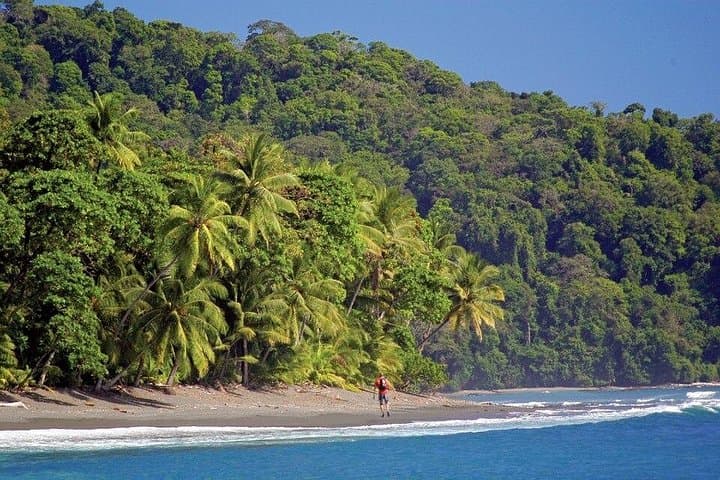
The morning light breaks over Bahía Drake and the sea answers by heaving you toward Corcovado. Small boats cut a low spray as the coast slides past—mangrove fringes and the dark silhouette of Caño Island—until the hull slows beneath the canopy at Sirena Station.
Verified experiences and guided adventures in the surrounding area.
Operated by Agencia de Viajes Costa Rica te Enamora · Bahía Drake (Drake Bay), Puntarenas
The morning light breaks over Bahía Drake and the sea answers by heaving you toward Corcovado. Small boats cut a low spray as the coast slides past—mangrove fringes and the dark silhouette of Caño Island—until the hull slows beneath the canopy at Sirena Station.
Corcovado, created as a national park in 1975, occupies one of Costa Rica’s last tracts of lowland primary rainforest. Geologically the Osa Peninsula is young, with steep coastal terraces and rivers that have carved rich, alluvial soils; the park’s ecology supports species from emerald tree frogs to scarlet macaws. Local communities on the peninsula maintain fishing and small-scale tourism traditions tied to the sea and forest.
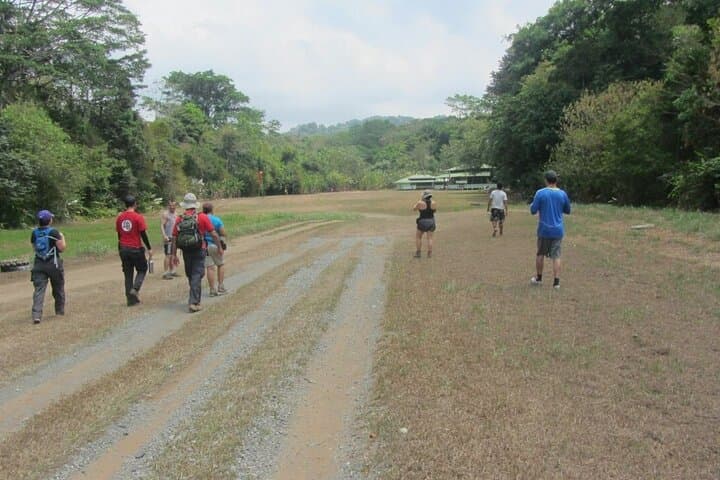
The visit centers on guided walks on compact but uneven trails through wet tropical forest. Expect humid air, thick leaf litter underfoot, and sudden clearings where troops of howler monkeys announce themselves. Rangers provide orientation and lunch at a sheltered clearing before the return boat ride to Bahía Drake.
Practically: boats depart early and return mid-afternoon; wear sturdy, grippy shoes, bring a waterproof layer and at least 2 liters of water, and plan for muddy sections and short stream crossings. Park rules limit overnight access without permits, so a one-day visit focuses on wildlife viewing and the central Sirena trails. Photographers should carry a zoom and protect gear from spray and humidity. The trip rewards patience—Corcovado tests your senses and, more often than not, rewards them.
easy.
6–7 hours.
Suitable for travelers in general fitness; involves walking on uneven, sometimes muddy trails for several hours
The full excursion runs about 6–7 hours with departures around 6:00 AM from Bahía Drake and return in the early afternoon.
The operator rates it as suitable for most fitness levels, but trails are uneven; children should be monitored and those with limited mobility may find some sections challenging.
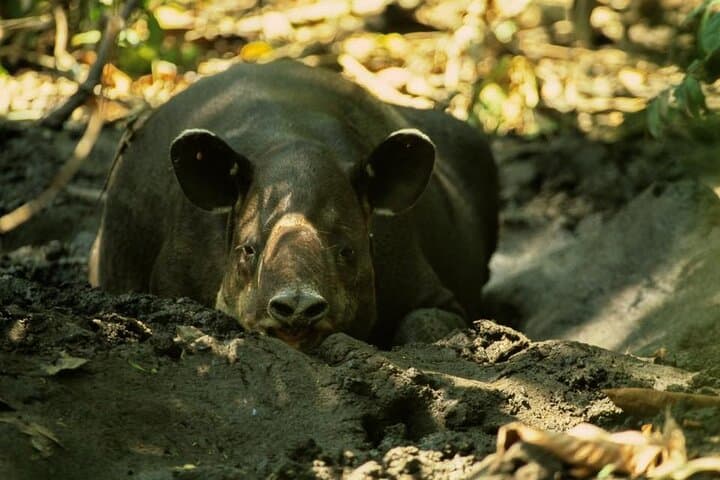
Common sightings include howler monkeys, white-faced capuchins, scarlet macaws, toucans and a variety of reptiles and amphibians—big cat sightings are extremely rare.
Yes—this day tour includes park entrance, a boxed lunch, guide service, boat transfers and insurance as listed by the operator.
Corcovado National Park was established in 1975 to protect one of Costa Rica’s last expanses of Pacific lowland rainforest; it draws attention for extraordinarily high biodiversity.
The park operates strict access controls and relies on guided visits to minimize impact—adhere to trail rules, don’t disturb wildlife, and pack out waste.
Agencia de Viajes Costa Rica te Enamora operates guided outdoor trips and adventures with an emphasis on safety, stewardship, and memorable experiences.
The morning light breaks over Bahía Drake and the sea answers by heaving you toward Corcovado. Small boats cut a low spray as the coast slides past—mangrove fringes and the dark silhouette of Caño Island—until the hull slows beneath the canopy at Sirena Station.
The morning light breaks over Bahía Drake and the sea answers by heaving you toward Corcovado. Small boats cut a low spray as the coast slides past—mangrove fringes and the dark silhouette of Caño Island—until the hull slows beneath the canopy at Sirena Station.
Corcovado, created as a national park in 1975, occupies one of Costa Rica’s last tracts of lowland primary rainforest. Geologically the Osa Peninsula is young, with steep coastal terraces and rivers that have carved rich, alluvial soils; the park’s ecology supports species from emerald tree frogs to scarlet macaws. Local communities on the peninsula maintain fishing and small-scale tourism traditions tied to the sea and forest.
The visit centers on guided walks on compact but uneven trails through wet tropical forest. Expect humid air, thick leaf litter underfoot, and sudden clearings where troops of howler monkeys announce themselves. Rangers provide orientation and lunch at a sheltered clearing before the return boat ride to Bahía Drake.
Practically: boats depart early and return mid-afternoon; wear sturdy, grippy shoes, bring a waterproof layer and at least 2 liters of water, and plan for muddy sections and short stream crossings. Park rules limit overnight access without permits, so a one-day visit focuses on wildlife viewing and the central Sirena trails. Photographers should carry a zoom and protect gear from spray and humidity. The trip rewards patience—Corcovado tests your senses and, more often than not, rewards them.