THE ADVENTURE COLLECTIVE® · Independent discovery and booking for outdoor travel

From the painted terraces of Palácio da Pena to the wind-carved cliffs of Cabo da Roca and the roar at Boca do Inferno, this full-day guided loop from Lisbon packs history, geology and coastal spectacle into one accessible itinerary.
From the painted terraces of Palácio da Pena to the wind-carved cliffs of Cabo da Roca and the roar at Boca do Inferno, this full-day guided loop from Lisbon packs history, geology and coastal spectacle into one accessible itinerary.
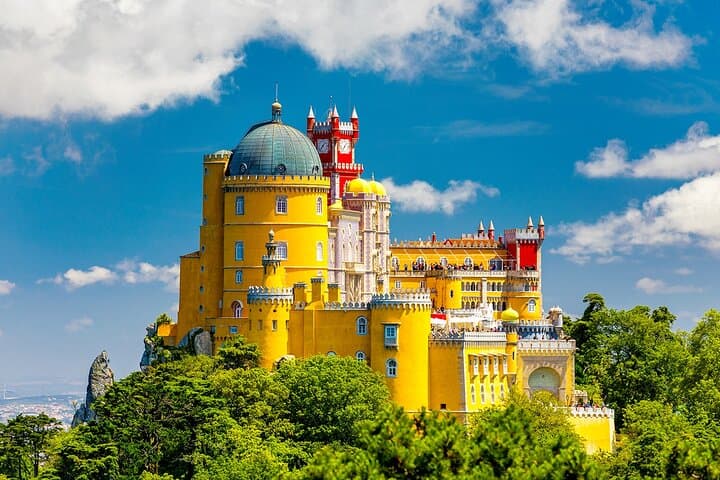
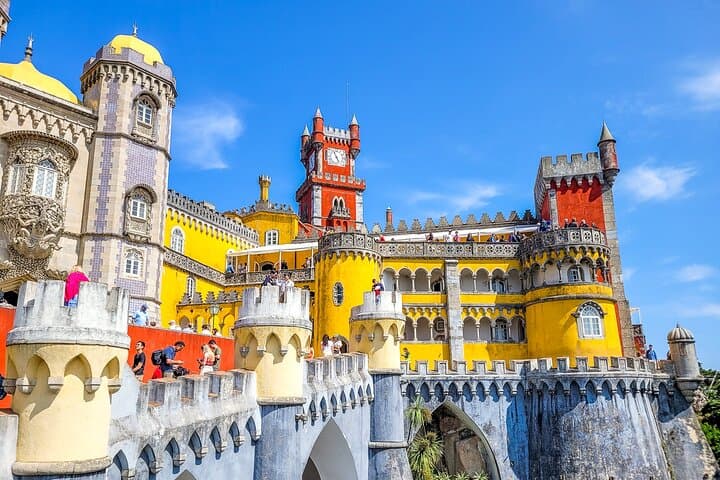
You step out of the air-conditioned minivan and the temperature, the light and the smell of the sea all change at once. The low clouds lift from the Sintra hills and reveal the candy-colored roofs of Palácio da Pena, a 19th-century romantic palace clinging to granite. Winds from the Atlantic push across limestone cliffs at Cabo da Roca, where gulls wheel and the ocean seems to dare you to get closer. Later, Boca do Inferno sends sprays through a natural sea cave while Cascais hums with seaside cafes and fishermen’s white houses retooled for modern life.
Verified experiences and guided adventures in the surrounding area.
Operated by Portus Cale Tours · Sintra, Lisbon District
You step out of the air-conditioned minivan and the temperature, the light and the smell of the sea all change at once. The low clouds lift from the Sintra hills and reveal the candy-colored roofs of Palácio da Pena, a 19th-century romantic palace clinging to granite. Winds from the Atlantic push across limestone cliffs at Cabo da Roca, where gulls wheel and the ocean seems to dare you to get closer. Later, Boca do Inferno sends sprays through a natural sea cave while Cascais hums with seaside cafes and fishermen’s white houses retooled for modern life.
This one-day route condenses centuries of Portuguese history into a single loop: medieval and Manueline echoes at Sintra’s palaces, romantic-era gardens that grew from royal taste, and coastal geology carved by relentless wave energy. Pena Park is set on an ancient granite massif, the stone weathering into the round knuckles and outcrops that make the palace feel built on top of the mountain rather than into it. Quinta da Regaleira, if you choose to visit, layers Masonic and esoteric symbolism into its wells and grottoes — a Victorian-era antidote to rational design.
Cabo da Roca is the westernmost point of continental Europe; its cliffs are low scrub and maritime heath holding a surprising diversity of coastal wildflowers. Praia do Guincho nearby is a wind-honed beach, a favored spot for surfers and kiteboarders. Boca do Inferno — the “Mouth of Hell” — is dramatic because the sea has literally bored windows through the rock, making a show of foam and thunder with every swell.
Practical edge: the day runs about 8–9 hours including guided stops and photo breaks. Walking is mostly on paved paths and cobblestones, but expect stairs, short ascents and uneven ground at viewpoint edges. The tour typically includes pickup in Lisbon and transport in an air-conditioned vehicle; palace admissions are optional and best bought in advance during high season to skip lines.
Plan for variable weather: layers, a windproof shell and sturdy shoes are good bets. Bring a refillable water bottle and a small daypack with sunscreen and a power bank. If you want Quinta da Regaleira’s Initiation Well, reserve the time slot — its underground staircases are narrow and can be busy.
For photographers, sunrise-and-sunset light shifts differently across the sites: Pena’s colors pop in diffuse morning light while Cabo da Roca gains drama in late-afternoon side light. Whether you come for romantic architecture, cliffside wind or the ritual of small coastal towns, this circuit gives a compact, textured portrait of Portugal’s western edge.
moderate.
8–9 hours.
Moderate fitness; able to walk several kilometers and climb stairs with short steep sections.
Some tours include one palace ticket, but many leave admissions optional—check your booking and buy tickets in advance if you plan to enter Pena or Quinta da Regaleira.
Expect several short walks totaling a few kilometers across uneven cobblestones and stairs; mobility is generally easy but not stroller-friendly in all sections.
Most departures are from Lisbon with hotel pickup; the tour returns to the original meeting point by late afternoon or early evening.
Yes—this itinerary is family-friendly, though narrow wells and steep viewpoints require supervision for small children.
The tour runs in most weather; heavy storms may prompt rescheduling—check cancellation policies which typically allow full refunds 24 hours prior.
Private tour formats often allow flexibility—discuss priorities with your guide, but be mindful of the schedule and traffic between sites.
Sintra became a romantic retreat for Portuguese royalty in the 19th century; many of its palaces and gardens reflect that era’s fascination with medieval and exotic motifs.
The Sintra-Cascais Natural Park protects fragile coastal heath and endemic plants—stay on marked trails and avoid disturbing nesting birds on cliff faces.
Portus Cale Tours operates guided outdoor trips and adventures with an emphasis on safety, stewardship, and memorable experiences.

You step out of the air-conditioned minivan and the temperature, the light and the smell of the sea all change at once. The low clouds lift from the Sintra hills and reveal the candy-colored roofs of Palácio da Pena, a 19th-century romantic palace clinging to granite. Winds from the Atlantic push across limestone cliffs at Cabo da Roca, where gulls wheel and the ocean seems to dare you to get closer. Later, Boca do Inferno sends sprays through a natural sea cave while Cascais hums with seaside cafes and fishermen’s white houses retooled for modern life.
You step out of the air-conditioned minivan and the temperature, the light and the smell of the sea all change at once. The low clouds lift from the Sintra hills and reveal the candy-colored roofs of Palácio da Pena, a 19th-century romantic palace clinging to granite. Winds from the Atlantic push across limestone cliffs at Cabo da Roca, where gulls wheel and the ocean seems to dare you to get closer. Later, Boca do Inferno sends sprays through a natural sea cave while Cascais hums with seaside cafes and fishermen’s white houses retooled for modern life.
This one-day route condenses centuries of Portuguese history into a single loop: medieval and Manueline echoes at Sintra’s palaces, romantic-era gardens that grew from royal taste, and coastal geology carved by relentless wave energy. Pena Park is set on an ancient granite massif, the stone weathering into the round knuckles and outcrops that make the palace feel built on top of the mountain rather than into it. Quinta da Regaleira, if you choose to visit, layers Masonic and esoteric symbolism into its wells and grottoes — a Victorian-era antidote to rational design.
Cabo da Roca is the westernmost point of continental Europe; its cliffs are low scrub and maritime heath holding a surprising diversity of coastal wildflowers. Praia do Guincho nearby is a wind-honed beach, a favored spot for surfers and kiteboarders. Boca do Inferno — the “Mouth of Hell” — is dramatic because the sea has literally bored windows through the rock, making a show of foam and thunder with every swell.
Practical edge: the day runs about 8–9 hours including guided stops and photo breaks. Walking is mostly on paved paths and cobblestones, but expect stairs, short ascents and uneven ground at viewpoint edges. The tour typically includes pickup in Lisbon and transport in an air-conditioned vehicle; palace admissions are optional and best bought in advance during high season to skip lines.
Plan for variable weather: layers, a windproof shell and sturdy shoes are good bets. Bring a refillable water bottle and a small daypack with sunscreen and a power bank. If you want Quinta da Regaleira’s Initiation Well, reserve the time slot — its underground staircases are narrow and can be busy.
For photographers, sunrise-and-sunset light shifts differently across the sites: Pena’s colors pop in diffuse morning light while Cabo da Roca gains drama in late-afternoon side light. Whether you come for romantic architecture, cliffside wind or the ritual of small coastal towns, this circuit gives a compact, textured portrait of Portugal’s western edge.