THE ADVENTURE COLLECTIVE® · Independent discovery and booking for outdoor travel

Climb the towering Sigiriya Rock, explore the painted caverns of Dambulla, and spend an authentic afternoon in Hiriwadunna village on this full-day tour from Trincomalee. Expect steep staircases, sacred artwork, and hands-on rural experiences.
Climb the towering Sigiriya Rock, explore the painted caverns of Dambulla, and spend an authentic afternoon in Hiriwadunna village on this full-day tour from Trincomalee. Expect steep staircases, sacred artwork, and hands-on rural experiences.
You arrive before the heat, windows fogging from the highway, and the first view of Sigiriya appears like an island in a sea of paddy fields—a squat column of granite rising roughly 180 meters above the plain. The morning light hits the sheer face and, as your guide slides open the door, the country air smells of wet earth and wood smoke from a nearby village.
Verified experiences and guided adventures in the surrounding area.
Operated by Classical Lanka Tours · Sigiriya, Central Province
You arrive before the heat, windows fogging from the highway, and the first view of Sigiriya appears like an island in a sea of paddy fields—a squat column of granite rising roughly 180 meters above the plain. The morning light hits the sheer face and, as your guide slides open the door, the country air smells of wet earth and wood smoke from a nearby village.
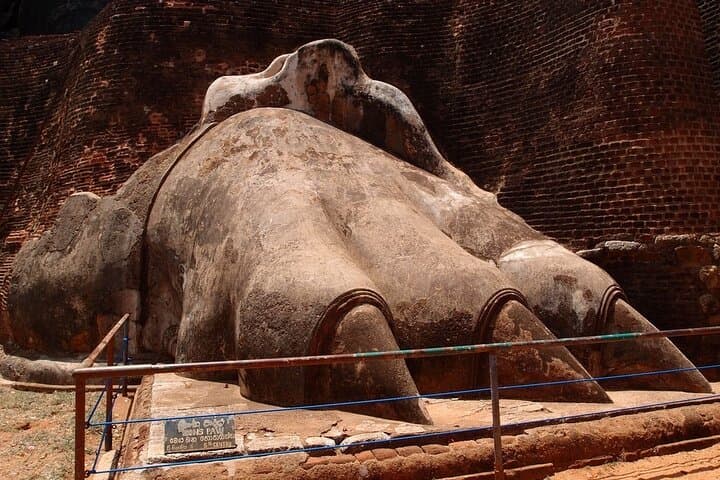
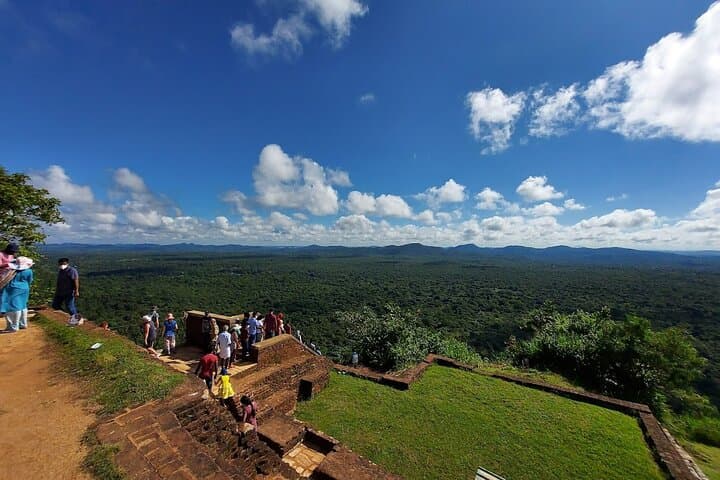
The climb up Sigiriya is the day’s spine: a sequence of carved staircases, iron walkways and rock-cut galleries that force a steady rhythm and a breathless appreciation for the site’s engineering. Built in the late 5th century under King Kashyapa, Sigiriya is both fortress and royal garden—royal platforms, water gardens and surviving frescoes that peer from a sheltered gallery halfway up. From the summit the plains fan out in a patchwork of reservoirs and small farms; it’s a look at the island’s agricultural logic that hasn’t changed in centuries.
Later, Dambulla’s cave temple pulls the pace inward. The rock here shelters five main caves filled with lacquered Buddhas, carved-pillared verandas and murals tracing over two millennia of devotion—many originally consecrated during the first century BCE under King Valagamba. The dim gold light throws statues into relief and the air feels intentionally slow, a counterpoint to the high-open drama of Sigiriya.
The afternoon pivots to Hiriwadunna, a working village where traditional rhythms guide the itinerary: a bullock-cart ride across a mud lane, a catamaran glide through marsh channels, and a rice-field lunch prepared in a village home. These experiences are straightforward but resonant; you’re watching techniques still used for generations—water buffalo at work, women pounding rice, and men steering narrow canoes through reedy channels.
Practicalities: expect an 8–10 hour day with moderate walking and multiple stair sections at Sigiriya. Bring a hat, sturdy walking shoes and at least 2 liters of water; the climb is exposed and the sun can be fierce. At Dambulla you’ll need to remove shoes and cover shoulders and knees—keep a lightweight sarong or shawl handy. Cash is useful for small purchases at the woodcarving and gem stops, and your guide will organize entrance tickets and transport.
This tour stitches together Sri Lanka’s archaeological sweep with living village practice—rock and cave, fresco and field—so plan a full day, move deliberately, and let the landscape set the pace. Early departures, respectful attire in sacred sites, and sensible footwear will make the difference between a rushed tick-list and an immersive day that leaves you with real context and distinct memories.
moderate.
8–10 hours.
Moderate fitness—able to climb steep staircases and walk on uneven paths for several hours; not suitable for those with serious mobility issues.
The tour runs about 8–10 hours (480–600 minutes); most departures are early morning from Trincomalee with return in the evening.
The climb includes steep, exposed sections and metal stairways; children and older adults should assess mobility and stamina—guides can advise alternative pacing.
This tour’s inclusions list entry to Sigiriya and Dambulla, as well as village activities and selected craft stops—confirm at booking for final details.
Modest clothing covering shoulders and knees is required; footwear must be removed before entering the caves—carry a lightweight cover for convenience.
Yes—most itineraries allow time at the summit and at the mid-level fresco gallery, though mornings are best for softer light and fewer crowds.
The village program focuses on working farm activities—bullock cart rides, canoeing and a home-cooked lunch—designed to be a respectful, hands-on glimpse into daily rural life.
Sigiriya was converted into a fortified royal complex in the 5th century CE under King Kashyapa; Dambulla’s cave shrine dates back to at least the 1st century BCE and evolved across successive kingdoms.
Sites are managed with visitor limits and restoration work—stay on marked paths and avoid touching frescoes to minimize wear; support local craftspeople rather than mass-produced souvenirs.
Classical Lanka Tours operates guided outdoor trips and adventures with an emphasis on safety, stewardship, and memorable experiences.
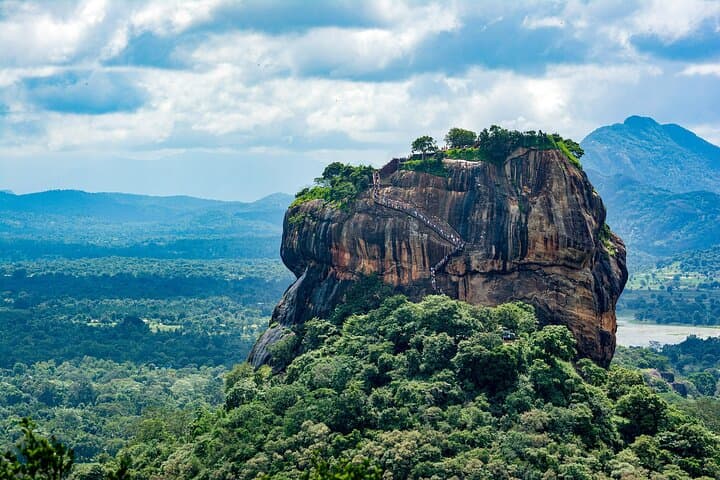
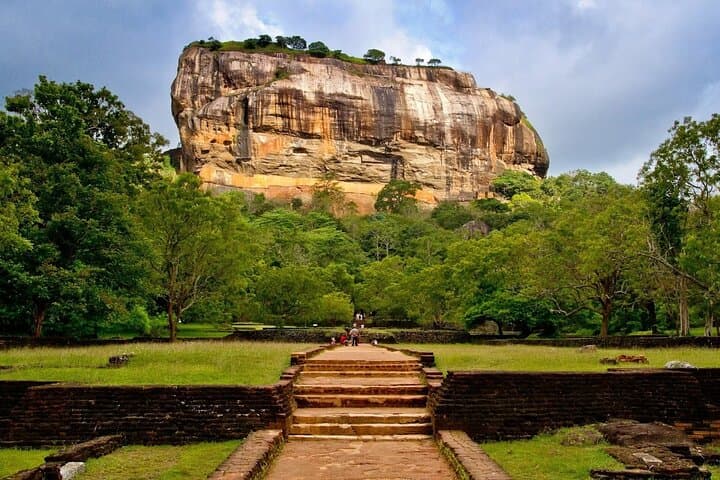
You arrive before the heat, windows fogging from the highway, and the first view of Sigiriya appears like an island in a sea of paddy fields—a squat column of granite rising roughly 180 meters above the plain. The morning light hits the sheer face and, as your guide slides open the door, the country air smells of wet earth and wood smoke from a nearby village.
You arrive before the heat, windows fogging from the highway, and the first view of Sigiriya appears like an island in a sea of paddy fields—a squat column of granite rising roughly 180 meters above the plain. The morning light hits the sheer face and, as your guide slides open the door, the country air smells of wet earth and wood smoke from a nearby village.
The climb up Sigiriya is the day’s spine: a sequence of carved staircases, iron walkways and rock-cut galleries that force a steady rhythm and a breathless appreciation for the site’s engineering. Built in the late 5th century under King Kashyapa, Sigiriya is both fortress and royal garden—royal platforms, water gardens and surviving frescoes that peer from a sheltered gallery halfway up. From the summit the plains fan out in a patchwork of reservoirs and small farms; it’s a look at the island’s agricultural logic that hasn’t changed in centuries.
Later, Dambulla’s cave temple pulls the pace inward. The rock here shelters five main caves filled with lacquered Buddhas, carved-pillared verandas and murals tracing over two millennia of devotion—many originally consecrated during the first century BCE under King Valagamba. The dim gold light throws statues into relief and the air feels intentionally slow, a counterpoint to the high-open drama of Sigiriya.
The afternoon pivots to Hiriwadunna, a working village where traditional rhythms guide the itinerary: a bullock-cart ride across a mud lane, a catamaran glide through marsh channels, and a rice-field lunch prepared in a village home. These experiences are straightforward but resonant; you’re watching techniques still used for generations—water buffalo at work, women pounding rice, and men steering narrow canoes through reedy channels.
Practicalities: expect an 8–10 hour day with moderate walking and multiple stair sections at Sigiriya. Bring a hat, sturdy walking shoes and at least 2 liters of water; the climb is exposed and the sun can be fierce. At Dambulla you’ll need to remove shoes and cover shoulders and knees—keep a lightweight sarong or shawl handy. Cash is useful for small purchases at the woodcarving and gem stops, and your guide will organize entrance tickets and transport.
This tour stitches together Sri Lanka’s archaeological sweep with living village practice—rock and cave, fresco and field—so plan a full day, move deliberately, and let the landscape set the pace. Early departures, respectful attire in sacred sites, and sensible footwear will make the difference between a rushed tick-list and an immersive day that leaves you with real context and distinct memories.