THE ADVENTURE COLLECTIVE® · Independent discovery and booking for outdoor travel

Travel from Tashkent to Samarkand in comfort for a day of astronomy, imperial architecture, and bustling bazaars. Visit the Ulugh Beg Observatory, Registan Square, and Shah‑i‑Zinda with a private guide and learn why Samarkand shaped the Silk Road.
Travel from Tashkent to Samarkand in comfort for a day of astronomy, imperial architecture, and bustling bazaars. Visit the Ulugh Beg Observatory, Registan Square, and Shah‑i‑Zinda with a private guide and learn why Samarkand shaped the Silk Road.
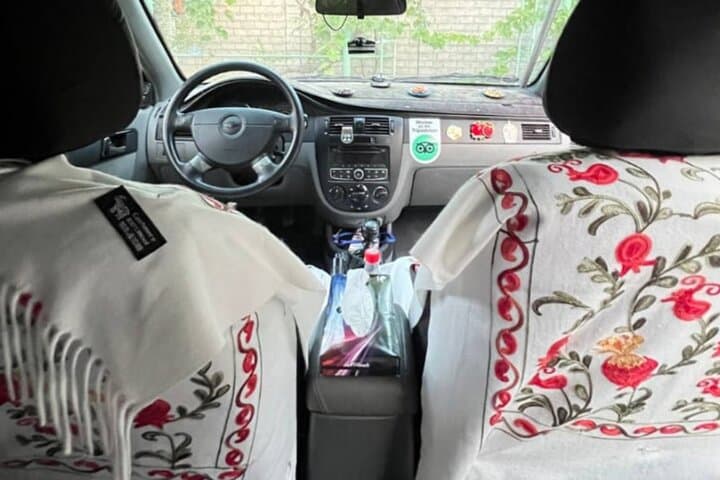
You arrive as the city wakes: sun stripes across turquoise tile, vendors lay out breads and spices, and the wind pushes dust off the old stones like a slow hand. In a private, air‑conditioned car you cross the flat Uzbek plain, and by midmorning Samarkand opens—an architectural classroom where math, empire, and faith meet in color.
Verified experiences and guided adventures in the surrounding area.
Operated by Tashkent tour guide with car · Samarkand, Samarkand Region
You arrive as the city wakes: sun stripes across turquoise tile, vendors lay out breads and spices, and the wind pushes dust off the old stones like a slow hand. In a private, air‑conditioned car you cross the flat Uzbek plain, and by midmorning Samarkand opens—an architectural classroom where math, empire, and faith meet in color.
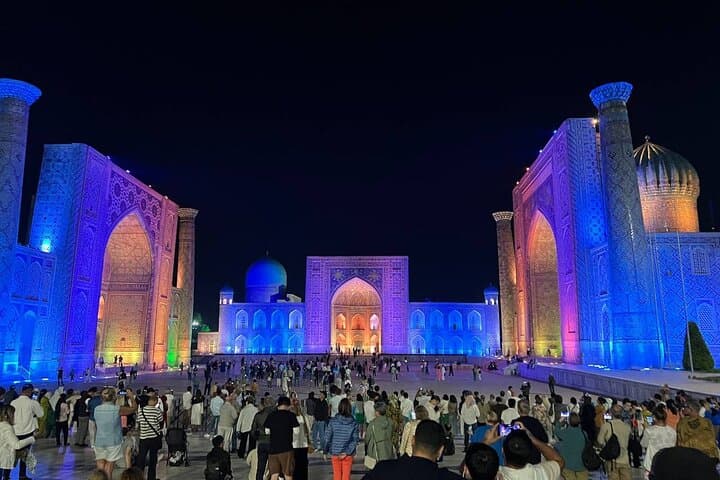
Samarkand’s story is layered. Founded more than 2,500 years ago, it became a Silk Road hub and later Timur’s showpiece, where builders and astronomers left durable marks. The Ulugh Beg Observatory—home to a medieval sextant and one of the earliest star catalogs—speaks to a city where science sat beside spectacle. Registan Square, framed by three madrasahs, demonstrates Timurid tilework and civic ritual, while Shah‑i‑Zinda’s mausoleums read like a catalog of craft and devotion.
Geology is plain but persuasive: loess plains roll toward the Zeravshan River basin, offering broad skies that made Samarkand a natural viewing post for star charts. Culture is sensory—chaikhanas (tea houses), non (bread) ovens, and the bazaar’s punchy spice notes that trace trade routes centuries old.
Practical side: a one‑day itinerary runs 6–8 hours including road time; a two‑day option eases the pace and adds museums and carpet workshops. Wear sturdy walking shoes for courtyards and uneven tiles, carry water and sun protection, and budget for museum entrances—many sites are not included in tour rates. Morning light is best for photos; late afternoon softens mosaics and the crowds thin. This is a day packed with history, precise geometry, and color—preparedness turns it from a whirlwind into a meaningful passage through Central Asia’s past.
easy.
6–8 hours (day trip) or 2 days.
Suitable for most fitness levels; involves several hours of walking on flat to uneven surfaces
Most historic sites listed—like Registan and the Ulugh Beg Observatory—typically require separate admission fees; confirm with the operator before travel.
The road transfer is about 4–5 hours each way by car; itineraries often include travel time within the total duration.
Yes — the tour is rated easy and is accessible for most ages, though expect walking and some uneven terrain at monuments.
Yes — choosing the 2‑day option or arranging independent accommodation lets you explore museums and workshops at a gentler pace.
Samarkand rose to prominence on the Silk Road and was later reshaped by Timur in the 14th century; Ulugh Beg’s 15th‑century observatory made it a center of medieval astronomy.
Restoration programs are active across Samarkand; visitors should stay on marked paths, avoid touching tilework, and support local conservation by paying site fees and using licensed guides.
Tashkent tour guide with car operates guided outdoor trips and adventures with an emphasis on safety, stewardship, and memorable experiences.
You arrive as the city wakes: sun stripes across turquoise tile, vendors lay out breads and spices, and the wind pushes dust off the old stones like a slow hand. In a private, air‑conditioned car you cross the flat Uzbek plain, and by midmorning Samarkand opens—an architectural classroom where math, empire, and faith meet in color.
You arrive as the city wakes: sun stripes across turquoise tile, vendors lay out breads and spices, and the wind pushes dust off the old stones like a slow hand. In a private, air‑conditioned car you cross the flat Uzbek plain, and by midmorning Samarkand opens—an architectural classroom where math, empire, and faith meet in color.
Samarkand’s story is layered. Founded more than 2,500 years ago, it became a Silk Road hub and later Timur’s showpiece, where builders and astronomers left durable marks. The Ulugh Beg Observatory—home to a medieval sextant and one of the earliest star catalogs—speaks to a city where science sat beside spectacle. Registan Square, framed by three madrasahs, demonstrates Timurid tilework and civic ritual, while Shah‑i‑Zinda’s mausoleums read like a catalog of craft and devotion.
Geology is plain but persuasive: loess plains roll toward the Zeravshan River basin, offering broad skies that made Samarkand a natural viewing post for star charts. Culture is sensory—chaikhanas (tea houses), non (bread) ovens, and the bazaar’s punchy spice notes that trace trade routes centuries old.
Practical side: a one‑day itinerary runs 6–8 hours including road time; a two‑day option eases the pace and adds museums and carpet workshops. Wear sturdy walking shoes for courtyards and uneven tiles, carry water and sun protection, and budget for museum entrances—many sites are not included in tour rates. Morning light is best for photos; late afternoon softens mosaics and the crowds thin. This is a day packed with history, precise geometry, and color—preparedness turns it from a whirlwind into a meaningful passage through Central Asia’s past.