THE ADVENTURE COLLECTIVE® · Independent discovery and booking for outdoor travel

Spend a day in the calm bay of Rincón de Guayabitos and a boat ride to Coral Island for snorkeling, beach time and fresh seafood. This eight‑hour tour pairs easy water access with local culture and short hikes around the island.
Spend a day in the calm bay of Rincón de Guayabitos and a boat ride to Coral Island for snorkeling, beach time and fresh seafood. This eight‑hour tour pairs easy water access with local culture and short hikes around the island.
A morning breeze lifts salt and warm sand off Rincón de Guayabitos and the bay opens like a shallow bowl — calm, wide and easy to step into. You board a small panga from the main beach and the shoreline slips back: low dunes, families clustered under umbrellas, fishermen tending nets. Coral Island sits a short hop offshore; its pale rock and reef patches break the surface, inviting swimmers and snorkelers to peer down into clear pockets of marine life.
Verified experiences and guided adventures in the surrounding area.
Operated by Landing Tours · Rincón de Guayabitos, Nayarit
A morning breeze lifts salt and warm sand off Rincón de Guayabitos and the bay opens like a shallow bowl — calm, wide and easy to step into. You board a small panga from the main beach and the shoreline slips back: low dunes, families clustered under umbrellas, fishermen tending nets. Coral Island sits a short hop offshore; its pale rock and reef patches break the surface, inviting swimmers and snorkelers to peer down into clear pockets of marine life.
This stretch of Nayarit’s coast is geologically young Pacific shoreline shaped by coastal sediments and offshore rock outcrops; the sheltered bay earned its local nickname “the largest pool in the Pacific” for a reason. The towns here are fishing communities turned family beach destinations—seafood stands, morning markets and bilingual guides who grew up on these sands.
Expect a mix of shallow sandy flats, rocky reef edges and protected swim zones. The boat crossing is brief but can be choppy on windy days; snorkeling visibility varies with season. Guides typically provide a short orientation, and there’s free time on the island to swim, photograph or sample fresh ceviche back on the beach.
Practical notes: tours run about eight hours with round-trip transport and a bilingual guide included. Snorkel rentals are commonly available for a modest fee, bring reef-safe sunscreen, a swimsuit, water shoes and cash for local food stalls. If you have limited mobility or health concerns, check accessibility and medical advisories before booking. Time your visit for calmer mornings, pack a light dry bag, and treat the reef with care—observe, don’t touch.
moderate.
7–8 hours.
Light to moderate fitness for short boat transfers, swimming and some walking on uneven shorelines
Snorkeling is offered but equipment is typically available for rent at an additional cost (the operator lists a standard rental fee); confirm when booking.
The crossing from Rincón de Guayabitos to Coral Island is short—generally 15–30 minutes depending on sea state and the exact launch point.
Yes—there is free beach time and shallow water; non‑swimmers should stay in the protected swim areas and use life vests provided by guides.
Some transportation and beach access options are wheelchair accessible but check with the operator about specific needs and landing conditions on the island.
The bay grew from traditional fishing villages into family beach towns; seafood markets and coastal livelihoods remain central to local culture.
Coral patches are sensitive—avoid standing on reefs, use reef‑safe products and pack out any trash to reduce impact.
Landing Tours operates guided outdoor trips and adventures with an emphasis on safety, stewardship, and memorable experiences.
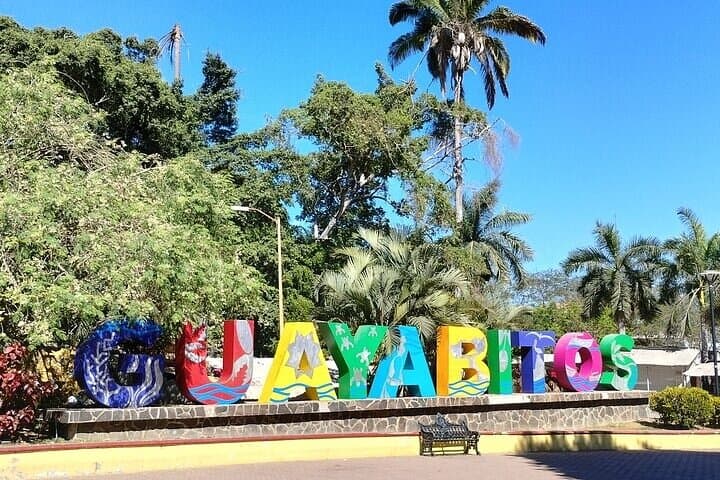


A morning breeze lifts salt and warm sand off Rincón de Guayabitos and the bay opens like a shallow bowl — calm, wide and easy to step into. You board a small panga from the main beach and the shoreline slips back: low dunes, families clustered under umbrellas, fishermen tending nets. Coral Island sits a short hop offshore; its pale rock and reef patches break the surface, inviting swimmers and snorkelers to peer down into clear pockets of marine life.
A morning breeze lifts salt and warm sand off Rincón de Guayabitos and the bay opens like a shallow bowl — calm, wide and easy to step into. You board a small panga from the main beach and the shoreline slips back: low dunes, families clustered under umbrellas, fishermen tending nets. Coral Island sits a short hop offshore; its pale rock and reef patches break the surface, inviting swimmers and snorkelers to peer down into clear pockets of marine life.
This stretch of Nayarit’s coast is geologically young Pacific shoreline shaped by coastal sediments and offshore rock outcrops; the sheltered bay earned its local nickname “the largest pool in the Pacific” for a reason. The towns here are fishing communities turned family beach destinations—seafood stands, morning markets and bilingual guides who grew up on these sands.
Expect a mix of shallow sandy flats, rocky reef edges and protected swim zones. The boat crossing is brief but can be choppy on windy days; snorkeling visibility varies with season. Guides typically provide a short orientation, and there’s free time on the island to swim, photograph or sample fresh ceviche back on the beach.
Practical notes: tours run about eight hours with round-trip transport and a bilingual guide included. Snorkel rentals are commonly available for a modest fee, bring reef-safe sunscreen, a swimsuit, water shoes and cash for local food stalls. If you have limited mobility or health concerns, check accessibility and medical advisories before booking. Time your visit for calmer mornings, pack a light dry bag, and treat the reef with care—observe, don’t touch.