THE ADVENTURE COLLECTIVE® · Independent discovery and booking for outdoor travel

Escape Madrid for a long day among vineyards, medieval cellars and modern bodegas in Ribera del Duero. Taste at least nine wines across three wineries while learning how Tempranillo and the Duero shape the region’s character.
Escape Madrid for a long day among vineyards, medieval cellars and modern bodegas in Ribera del Duero. Taste at least nine wines across three wineries while learning how Tempranillo and the Duero shape the region’s character.
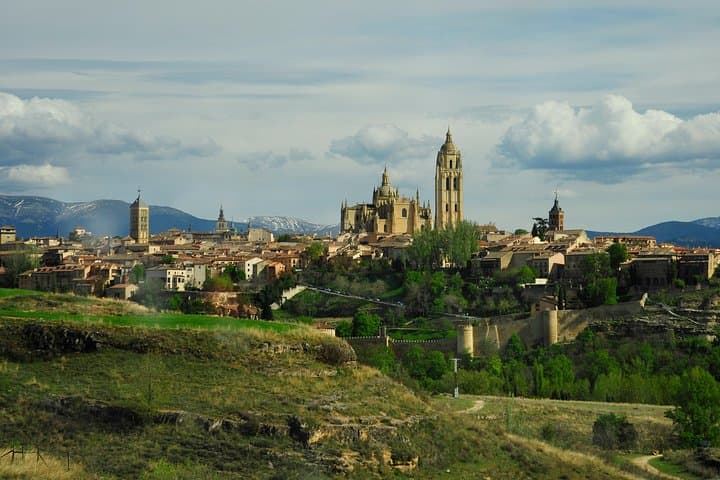
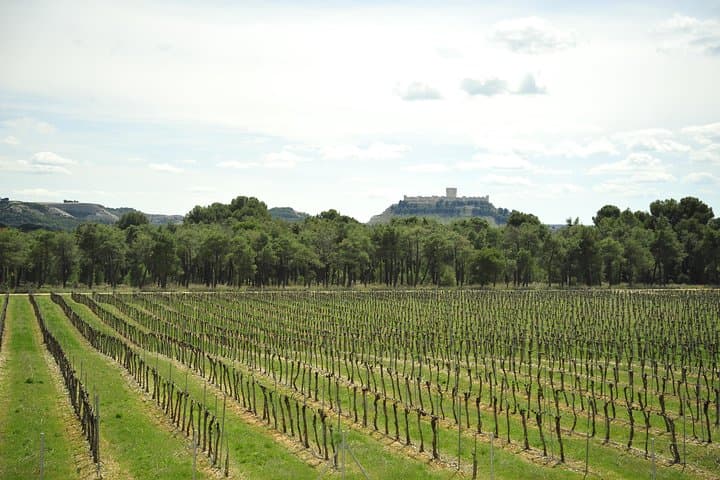
You step onto the coach in Madrid as the city thins behind you and the Castilian plain unfurls—patchwork vines glinting under an open sky. Two hours later the Duero river begins to shape the valley, and the air carries the faint stone-and-earth scent that makes Tempranillo wines feel rooted to place.
Verified experiences and guided adventures in the surrounding area.
Operated by Gourmet Madrid · Aranda de Duero, Castile and León
You step onto the coach in Madrid as the city thins behind you and the Castilian plain unfurls—patchwork vines glinting under an open sky. Two hours later the Duero river begins to shape the valley, and the air carries the faint stone-and-earth scent that makes Tempranillo wines feel rooted to place.
Ribera del Duero is a working landscape shaped by centuries of viticulture. Vineyards cling to stony terraces, cellars hide in medieval subsoil galleries, and 20th-century bodegas sit in deliberate contrast with glass and concrete. The region’s Denominación de Origen (established in 1982) champions Tinta del País—locally named Tempranillo—while family-run bodegas and avant-garde winemakers coexist across villages such as Peñafiel and Aranda de Duero.
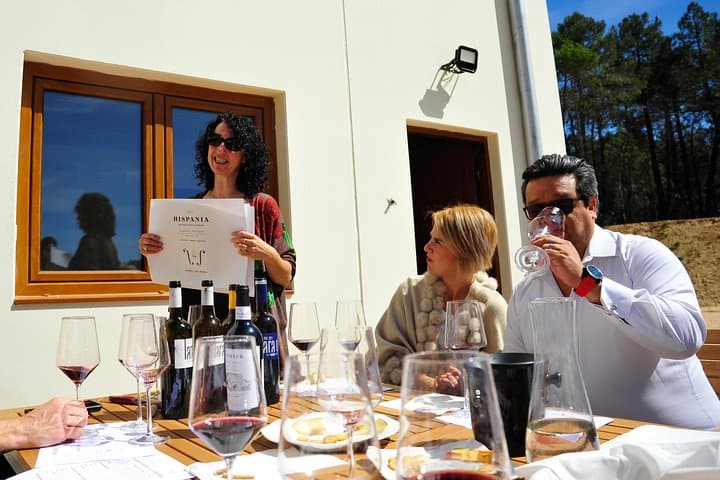
On a full-day guided tour from Madrid you visit three distinct wineries—typically a historic cellar, a modern estate open to its vineyards, and an underground medieval bodega—sampling at least three wines at each stop and tasting regional tapas along the way.
Practicalities: departures are mid‑morning from Plaza del Conde de Casal and return around 20:00; total time on the road and stops is roughly 10–11 hours. Bring a government ID (18+ for tastings), wear comfortable shoes for cellar steps, and pack a light layer—the underground cellars are noticeably cool. Lunch is usually on your own; carry some cash or a card, and pace tastings if you plan to drive afterward (don’t). A bilingual guide explains terroir, production methods, and how extreme summer heat and winter cold shape vine strategy—knowledge that turns every sip into context.
easy.
10–11 hours.
Suitable for most fitness levels—requires standing during tastings and climbing cellar steps; no strenuous hiking.
Yes—commented tastings (minimum three wines per winery) and tapas/snacks are provided at each stop as described.
No—there is free time for lunch at a local restaurant and the cost is not included in the tour price.
Meeting is at the front door of the Claridge hotel on Plaza del Conde de Casal (near Conde de Casal metro), with departure around 9:15 and return around 20:00 depending on traffic.
Children must be accompanied by an adult, but under-12s cannot participate in winery tastings; the minimum tasting age is 18.
The Ribera del Duero wine region developed over centuries with medieval cellars and modernized into a DO (Denominación de Origen) in 1982; local names for Tempranillo include Tinta del País or Tinto Fino.
Viticulture here grapples with seasonal drought and soil management; favoring small producers and following leave-no-trace at rural stops helps local sustainability.
Gourmet Madrid operates guided outdoor trips and adventures with an emphasis on safety, stewardship, and memorable experiences.

You step onto the coach in Madrid as the city thins behind you and the Castilian plain unfurls—patchwork vines glinting under an open sky. Two hours later the Duero river begins to shape the valley, and the air carries the faint stone-and-earth scent that makes Tempranillo wines feel rooted to place.
You step onto the coach in Madrid as the city thins behind you and the Castilian plain unfurls—patchwork vines glinting under an open sky. Two hours later the Duero river begins to shape the valley, and the air carries the faint stone-and-earth scent that makes Tempranillo wines feel rooted to place.
Ribera del Duero is a working landscape shaped by centuries of viticulture. Vineyards cling to stony terraces, cellars hide in medieval subsoil galleries, and 20th-century bodegas sit in deliberate contrast with glass and concrete. The region’s Denominación de Origen (established in 1982) champions Tinta del País—locally named Tempranillo—while family-run bodegas and avant-garde winemakers coexist across villages such as Peñafiel and Aranda de Duero.
On a full-day guided tour from Madrid you visit three distinct wineries—typically a historic cellar, a modern estate open to its vineyards, and an underground medieval bodega—sampling at least three wines at each stop and tasting regional tapas along the way.
Practicalities: departures are mid‑morning from Plaza del Conde de Casal and return around 20:00; total time on the road and stops is roughly 10–11 hours. Bring a government ID (18+ for tastings), wear comfortable shoes for cellar steps, and pack a light layer—the underground cellars are noticeably cool. Lunch is usually on your own; carry some cash or a card, and pace tastings if you plan to drive afterward (don’t). A bilingual guide explains terroir, production methods, and how extreme summer heat and winter cold shape vine strategy—knowledge that turns every sip into context.