THE ADVENTURE COLLECTIVE® · Independent discovery and booking for outdoor travel

A seven-hour day trip from Kalutara delivers close-up views of Ratnapura’s gem pits, lapidary workshops and local markets. Learn how sapphires and rubies move from river gravels to polished stones while navigating humid forest tracks and working neighborhoods.
A seven-hour day trip from Kalutara delivers close-up views of Ratnapura’s gem pits, lapidary workshops and local markets. Learn how sapphires and rubies move from river gravels to polished stones while navigating humid forest tracks and working neighborhoods.
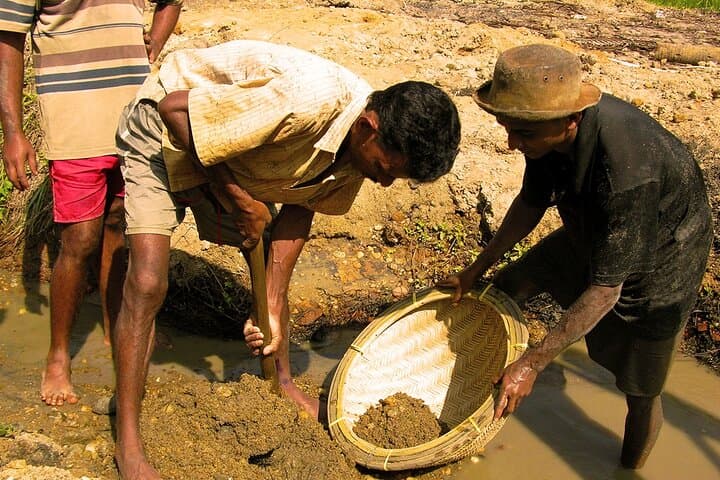
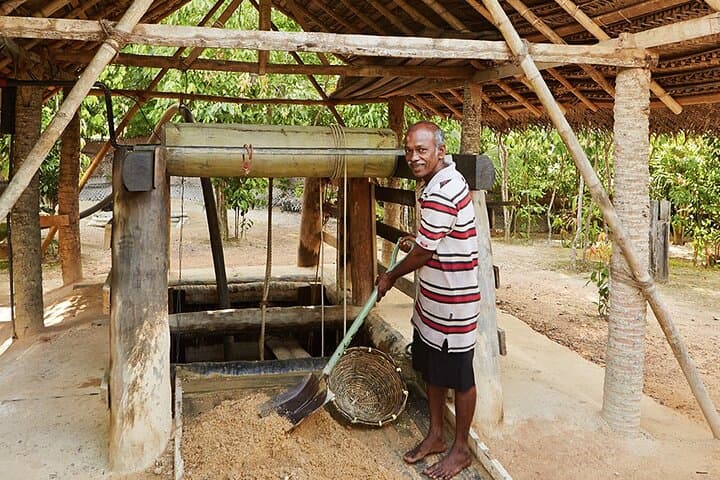
You step out of the air-conditioned van into a humid pocket of lowland rainforest; the air tastes of wet earth and river polish, and a line of palm fronds drips onto the dusty lane. Ratnapura—literally “city of gems”—unfolds as a working landscape of shallow pits, sluice channels and small workshops, where miners and cutters move with practiced economy.
Verified experiences and guided adventures in the surrounding area.
Operated by Lakpura LLC · Ratnapura, Sabaragamuwa Province
You step out of the air-conditioned van into a humid pocket of lowland rainforest; the air tastes of wet earth and river polish, and a line of palm fronds drips onto the dusty lane. Ratnapura—literally “city of gems”—unfolds as a working landscape of shallow pits, sluice channels and small workshops, where miners and cutters move with practiced economy.
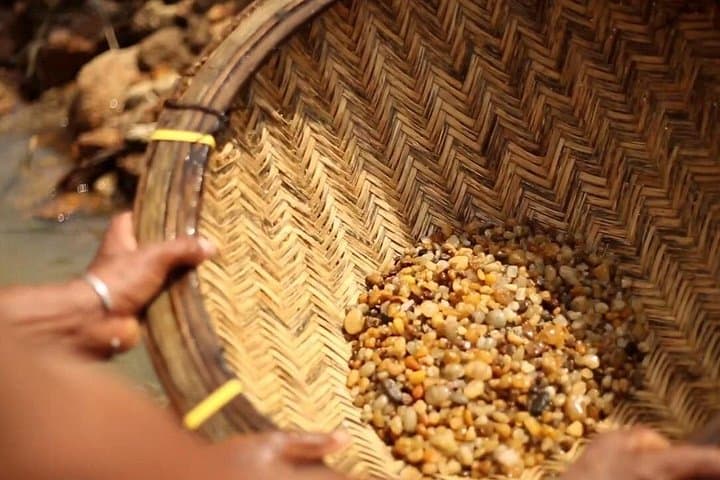
The region’s geology is straightforward: gem-bearing gravels washed down from the central highlands and concentrated in river terraces. Gem mining here has roots in ancient trade routes; sapphires and rubies from this district traveled to royal courts and foreign markets for centuries. You’ll see both the raw extraction—handfuls of wet gravel sorted in buckets—and the finishing rooms where lapidary tools give stones their precise lives.
Culturally, Ratnapura is a mix of Sinhala village life, Buddhist shrines and working-class mining neighborhoods. Local guides explain how humidity, river flows and seasonal monsoons affect both gem quality and the timing of digs.
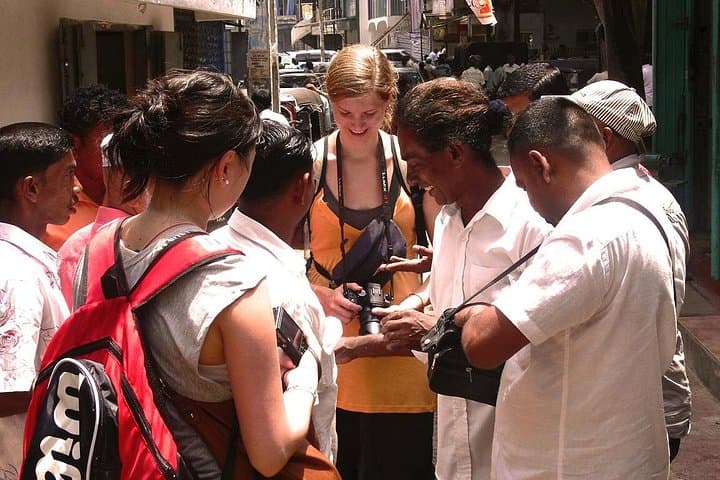
Practical guidance: tours typically include hotel pickup from Kalutara and run about seven hours. Expect moderate walking on uneven ground and muddy banks; closed-toe shoes and a light rain layer are sensible. Bring cash for small purchases and bargaining; records and authenticity certificates are available at established shops. If you plan to photograph miners or inside workshops, ask first. The day balances sensory detail—glittering pans, clack of cutting wheels—with down-to-earth logistics: hydration, sun protection, and a readiness for rainforest weather.
moderate.
7 hours.
Requires moderate mobility; ability to navigate short, uneven sections and climb small banks.
The tour runs about seven hours total including transport, stops and visits to mines and workshops.
Access varies; some small pits are observable from the edge while active workings may be off-limits—follow your guide’s instructions for safety.
Reputable shops provide certificates and demonstrations; bring cash and consider using established dealers or the Gem Museum for vetted pieces.
Not ideal for those with serious mobility limitations due to uneven terrain; children can participate with supervision but should avoid mine edges.
Ratnapura’s gem trade dates back centuries; the city’s name means “city of gems” and it has long supplied stones to regional and international markets.
Gem mining can disturb river terraces and local waterways; prefer operators that follow small-scale, low-impact practices and avoid illegal deep mining.
Lakpura LLC operates guided outdoor trips and adventures with an emphasis on safety, stewardship, and memorable experiences.
You step out of the air-conditioned van into a humid pocket of lowland rainforest; the air tastes of wet earth and river polish, and a line of palm fronds drips onto the dusty lane. Ratnapura—literally “city of gems”—unfolds as a working landscape of shallow pits, sluice channels and small workshops, where miners and cutters move with practiced economy.
You step out of the air-conditioned van into a humid pocket of lowland rainforest; the air tastes of wet earth and river polish, and a line of palm fronds drips onto the dusty lane. Ratnapura—literally “city of gems”—unfolds as a working landscape of shallow pits, sluice channels and small workshops, where miners and cutters move with practiced economy.
The region’s geology is straightforward: gem-bearing gravels washed down from the central highlands and concentrated in river terraces. Gem mining here has roots in ancient trade routes; sapphires and rubies from this district traveled to royal courts and foreign markets for centuries. You’ll see both the raw extraction—handfuls of wet gravel sorted in buckets—and the finishing rooms where lapidary tools give stones their precise lives.
Culturally, Ratnapura is a mix of Sinhala village life, Buddhist shrines and working-class mining neighborhoods. Local guides explain how humidity, river flows and seasonal monsoons affect both gem quality and the timing of digs.
Practical guidance: tours typically include hotel pickup from Kalutara and run about seven hours. Expect moderate walking on uneven ground and muddy banks; closed-toe shoes and a light rain layer are sensible. Bring cash for small purchases and bargaining; records and authenticity certificates are available at established shops. If you plan to photograph miners or inside workshops, ask first. The day balances sensory detail—glittering pans, clack of cutting wheels—with down-to-earth logistics: hydration, sun protection, and a readiness for rainforest weather.