THE ADVENTURE COLLECTIVE® · Independent discovery and booking for outdoor travel

A full‑day excursion from Cusco, the Vinicunca hike climbs to 5,000 m where mineral bands paint the ridge in vivid stripes. Expect a steep, exposed 1.5–2 hour ascent, cultural context from Quechua communities, and an all‑day schedule with transport and meals included.
A full‑day excursion from Cusco, the Vinicunca hike climbs to 5,000 m where mineral bands paint the ridge in vivid stripes. Expect a steep, exposed 1.5–2 hour ascent, cultural context from Quechua communities, and an all‑day schedule with transport and meals included.
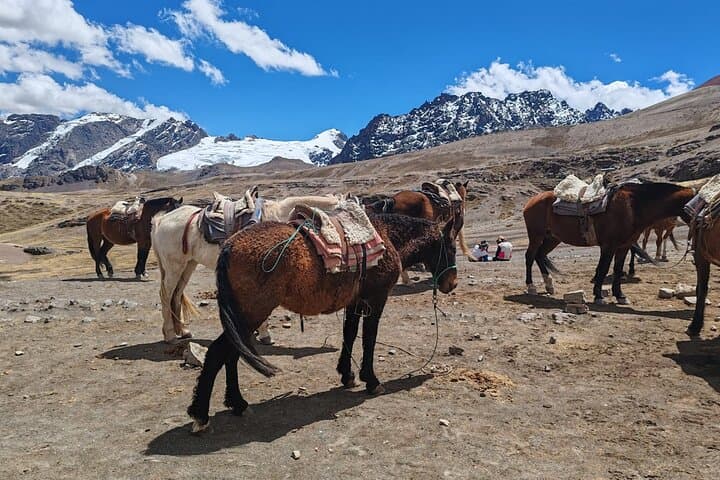
You step out of the van before dawn and the Andes meet you with a sharp, thin air that pulls at your breath. The drive from Cusco traces patchwork valleys and quiet Andean villages, where grazing llamas dot the slopes and shepherds move like slow punctuation. By the trailhead the world is spare and open; the hike climbs through wind-scoured puna toward a ridge revealed in bands of rust, ochre and turquoise.
Verified experiences and guided adventures in the surrounding area.
Operated by Kaypi Peru tours · Cusco, Cusco
You step out of the van before dawn and the Andes meet you with a sharp, thin air that pulls at your breath. The drive from Cusco traces patchwork valleys and quiet Andean villages, where grazing llamas dot the slopes and shepherds move like slow punctuation. By the trailhead the world is spare and open; the hike climbs through wind-scoured puna toward a ridge revealed in bands of rust, ochre and turquoise.
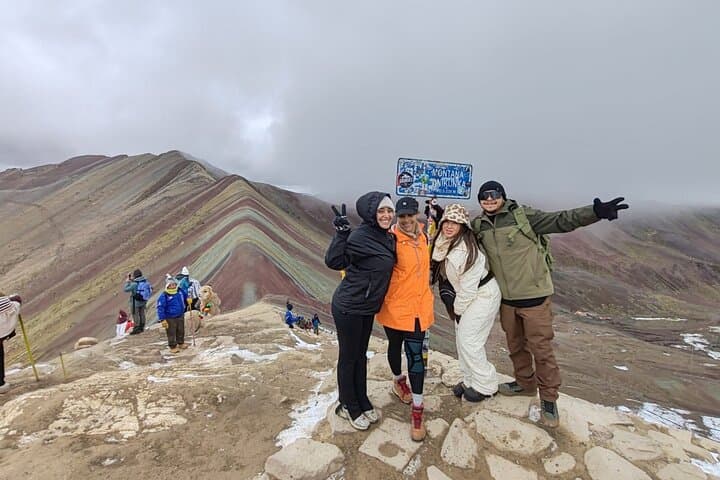
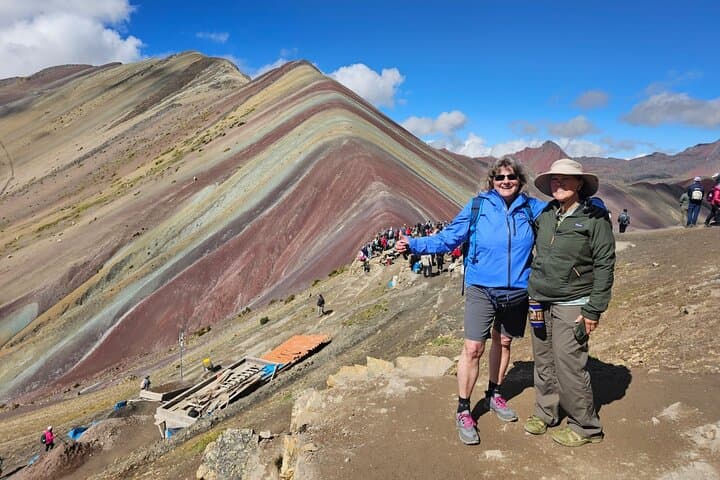
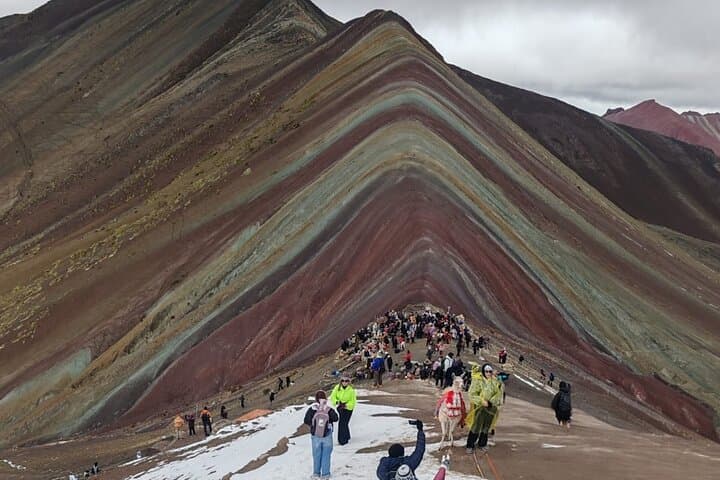
Geologically the stripes are mineral layers—iron oxide, phyllites and other deposits—laid down and exposed by uplift and erosion over millennia. Culturally the peak is part of a living Quechua landscape: locals make offerings at high altitudes and maintain grazing paths that predate the Inca. Expect panoramic views of the Vilcanota range; on clear days the snowy silhouette of Ausangate watches to the south.
Practically, the uphill approach is short but steep—roughly 1.5–2 hours to crest, with about 500–700 m (1,600–2,300 ft) of gain depending on the trail start and your route choice. Terrain is rocky, often muddy in the wet season, and very exposed to sun and wind. Altitude is the overriding challenge: the summit sits around 5,000 m (16,400 ft), so pace conservatively, drink often, and use walking sticks if you need extra stability.
Tours typically include hotel pickup, breakfast, bottled water and lunch; allow a full day (10–12 hours) for transit and hiking. Bring layered clothing, sun protection and patience—weather can change fast. Move respectfully: stay on trails, heed guides, and leave no trace; the mountain is beautiful, but fragile.
challenging.
10–12 hours (door‑to‑door).
Should be in good aerobic shape; able to hike on uneven, high‑altitude terrain for 1.5–2 hours uphill.
From the common trailhead the ascent typically takes 1.5–2 hours and the roundtrip walking distance is around 6–10 km depending on the access point; total tour time with transport is usually 10–12 hours.
Altitude affects people differently; common symptoms include headache and breathlessness—acclimatize in Cusco, hydrate, eat lightly and consider medication like acetazolamide after consulting a doctor.
This itinerary is not recommended for pregnant travelers or those with serious cardiovascular or spinal issues; children may attend but should be acclimatized and monitored closely.
Most tours include hotel pickup, private or shared transport, breakfast, guide, admission to Vinicunca, bottled water and a buffet lunch—confirm specifics with your operator.
The site sits within Quechua territory; local communities maintain ritual ties to high peaks and historically used these passes for seasonal grazing.
Heavy foot traffic and informal trails accelerate erosion—stay on marked routes, avoid littering, and support local guides and gate fees that fund conservation.
Kaypi Peru tours operates guided outdoor trips and adventures with an emphasis on safety, stewardship, and memorable experiences.
You step out of the van before dawn and the Andes meet you with a sharp, thin air that pulls at your breath. The drive from Cusco traces patchwork valleys and quiet Andean villages, where grazing llamas dot the slopes and shepherds move like slow punctuation. By the trailhead the world is spare and open; the hike climbs through wind-scoured puna toward a ridge revealed in bands of rust, ochre and turquoise.
You step out of the van before dawn and the Andes meet you with a sharp, thin air that pulls at your breath. The drive from Cusco traces patchwork valleys and quiet Andean villages, where grazing llamas dot the slopes and shepherds move like slow punctuation. By the trailhead the world is spare and open; the hike climbs through wind-scoured puna toward a ridge revealed in bands of rust, ochre and turquoise.
Geologically the stripes are mineral layers—iron oxide, phyllites and other deposits—laid down and exposed by uplift and erosion over millennia. Culturally the peak is part of a living Quechua landscape: locals make offerings at high altitudes and maintain grazing paths that predate the Inca. Expect panoramic views of the Vilcanota range; on clear days the snowy silhouette of Ausangate watches to the south.
Practically, the uphill approach is short but steep—roughly 1.5–2 hours to crest, with about 500–700 m (1,600–2,300 ft) of gain depending on the trail start and your route choice. Terrain is rocky, often muddy in the wet season, and very exposed to sun and wind. Altitude is the overriding challenge: the summit sits around 5,000 m (16,400 ft), so pace conservatively, drink often, and use walking sticks if you need extra stability.
Tours typically include hotel pickup, breakfast, bottled water and lunch; allow a full day (10–12 hours) for transit and hiking. Bring layered clothing, sun protection and patience—weather can change fast. Move respectfully: stay on trails, heed guides, and leave no trace; the mountain is beautiful, but fragile.