THE ADVENTURE COLLECTIVE® · Independent discovery and booking for outdoor travel

A full-day private drive from Siem Reap that pairs Preah Vihear’s cliff-top sanctuaries with Koh Ker’s jungle pyramid. Expect long road segments, steep stone steps, and an intimate look at two different chapters of Khmer history.
A full-day private drive from Siem Reap that pairs Preah Vihear’s cliff-top sanctuaries with Koh Ker’s jungle pyramid. Expect long road segments, steep stone steps, and an intimate look at two different chapters of Khmer history.
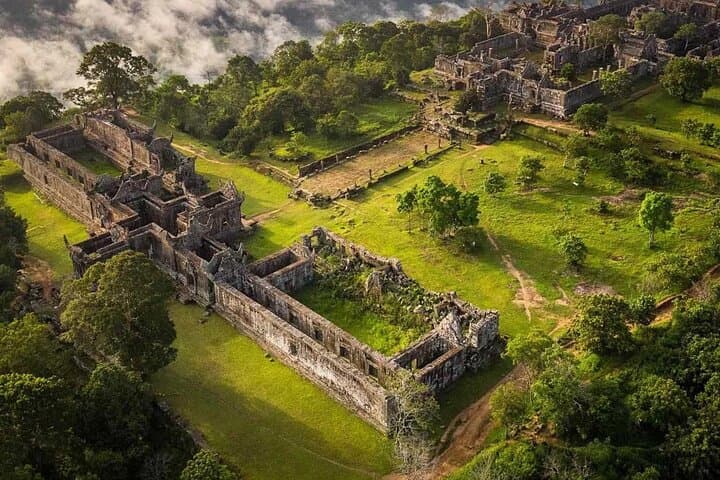
You arrive before the heat settles, the van easing up a ribbon of road that climbs to a high limestone edge. Wind cuts across the plateau and the plain below stretches like a lived-in map; the cliff seems to dare you to step closer. Preah Vihear perches on the ridge—stone stairways and sanctuaries stacked along an 800-metre axis—its carved lintels catching the morning light.
Verified experiences and guided adventures in the surrounding area.
Operated by Wadi Rum Fire Camp · Siem Reap, Siem Reap Province
You arrive before the heat settles, the van easing up a ribbon of road that climbs to a high limestone edge. Wind cuts across the plateau and the plain below stretches like a lived-in map; the cliff seems to dare you to step closer. Preah Vihear perches on the ridge—stone stairways and sanctuaries stacked along an 800-metre axis—its carved lintels catching the morning light.
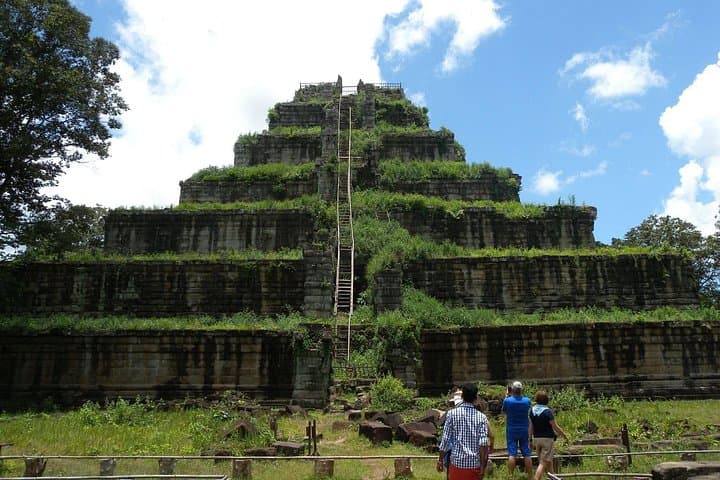
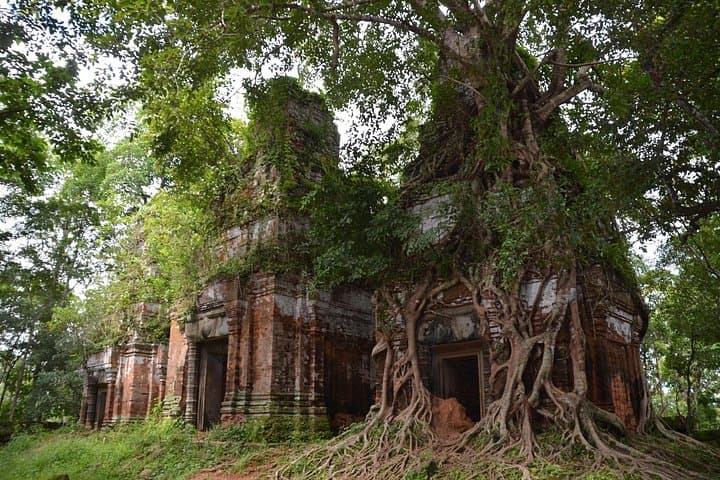
Preah Vihear dates to the early second millennium and is dedicated to Shiva, built in sandstone and laterite that reflect both geology and devotion. Koh Ker, by contrast, was briefly the Khmer capital in the 10th century; its Prasat Prang pyramid rises in stepped tiers through jungle where strangler figs and laterite walls keep time. Along the route your guide threads history, telling how these sites survived relative isolation and contested borders.
Expect uneven stone steps, open-air courtyards, and short scrubby hikes between monuments. The day moves at ground speed: long road stretches, a series of short explorations, and plenty of photo stops. Cultural etiquette matters—shoulders and knees covered at sacred sites—and cash is wise for small onsite fees and offerings.
Plan an early departure to avoid midday heat, carry at least 2 liters of water, insect repellent, and supportive shoes for steep steps and loose sand. The private van provides flexibility: ask to pause at roadside villages or small Linga temples scattered near Koh Ker. With a calm pace and basic preparation, the tour reads like a compact field study in Khmer architecture, landscape, and the quieter corners of Cambodia’s past.
moderate.
10–12 hours.
Light to moderate fitness; able to manage multiple flights of stairs and short uneven walks between monuments.
Expect roughly 3–4 hours each way depending on road conditions and stops; the tour is a full-day excursion.
Policies vary—confirm with the operator: some tours include all fees while others require separate temple tickets paid onsite.
Yes, but consider mobility: stairs and uneven terrain may be challenging; the private vehicle allows flexible pacing and rest stops.
No special border permit is needed for international visitors; ensure your Cambodian visa is in order and follow any local checkpoint procedures.
Preah Vihear grew as a highland sanctuary connected by processional stairways; Koh Ker was briefly the Khmer capital (ca. 928–944 AD) and is notable for its stepped pyramid and scattered sanctuaries.
Parts of the Koh Ker region remain recovering from decades of neglect and demining; visitors help sustain preservation funds but should stay on marked paths to protect fragile ruins.
Wadi Rum Fire Camp operates guided outdoor trips and adventures with an emphasis on safety, stewardship, and memorable experiences.

You arrive before the heat settles, the van easing up a ribbon of road that climbs to a high limestone edge. Wind cuts across the plateau and the plain below stretches like a lived-in map; the cliff seems to dare you to step closer. Preah Vihear perches on the ridge—stone stairways and sanctuaries stacked along an 800-metre axis—its carved lintels catching the morning light.
You arrive before the heat settles, the van easing up a ribbon of road that climbs to a high limestone edge. Wind cuts across the plateau and the plain below stretches like a lived-in map; the cliff seems to dare you to step closer. Preah Vihear perches on the ridge—stone stairways and sanctuaries stacked along an 800-metre axis—its carved lintels catching the morning light.
Preah Vihear dates to the early second millennium and is dedicated to Shiva, built in sandstone and laterite that reflect both geology and devotion. Koh Ker, by contrast, was briefly the Khmer capital in the 10th century; its Prasat Prang pyramid rises in stepped tiers through jungle where strangler figs and laterite walls keep time. Along the route your guide threads history, telling how these sites survived relative isolation and contested borders.
Expect uneven stone steps, open-air courtyards, and short scrubby hikes between monuments. The day moves at ground speed: long road stretches, a series of short explorations, and plenty of photo stops. Cultural etiquette matters—shoulders and knees covered at sacred sites—and cash is wise for small onsite fees and offerings.
Plan an early departure to avoid midday heat, carry at least 2 liters of water, insect repellent, and supportive shoes for steep steps and loose sand. The private van provides flexibility: ask to pause at roadside villages or small Linga temples scattered near Koh Ker. With a calm pace and basic preparation, the tour reads like a compact field study in Khmer architecture, landscape, and the quieter corners of Cambodia’s past.