THE ADVENTURE COLLECTIVE® · Independent discovery and booking for outdoor travel

Travel from Sofia to Plovdiv and Asen’s Fortress in a single, history-rich day. Walk the Roman theatre, climb Nebet Hill in the Old Town and photograph medieval ramparts above a winding river—practical tips included for a smooth trip.
Travel from Sofia to Plovdiv and Asen’s Fortress in a single, history-rich day. Walk the Roman theatre, climb Nebet Hill in the Old Town and photograph medieval ramparts above a winding river—practical tips included for a smooth trip.
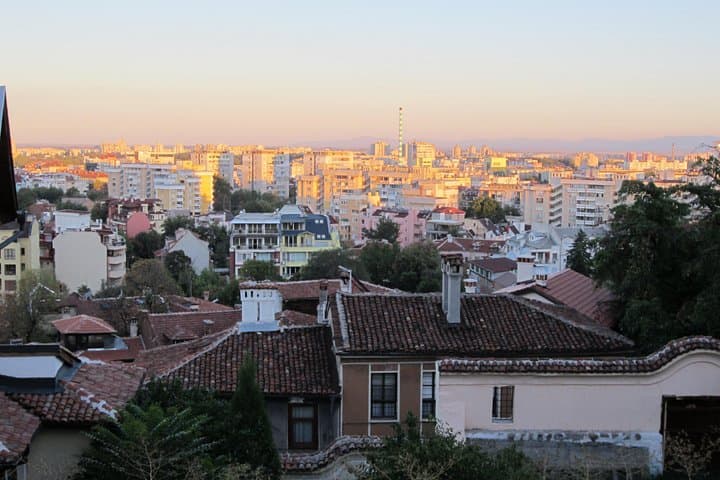
You step out of the air-conditioned minivan and the hills of Plovdiv rise like a living map—cobbled alleys climbing toward stone houses and a Roman theatre that still holds its voice. The city smells faintly of espresso and wood smoke; the slopes push you forward, offering framed views onto tiled roofs and church domes.
Verified experiences and guided adventures in the surrounding area.
Operated by V Travel Ltd. · Plovdiv, Plovdiv Province
You step out of the air-conditioned minivan and the hills of Plovdiv rise like a living map—cobbled alleys climbing toward stone houses and a Roman theatre that still holds its voice. The city smells faintly of espresso and wood smoke; the slopes push you forward, offering framed views onto tiled roofs and church domes.
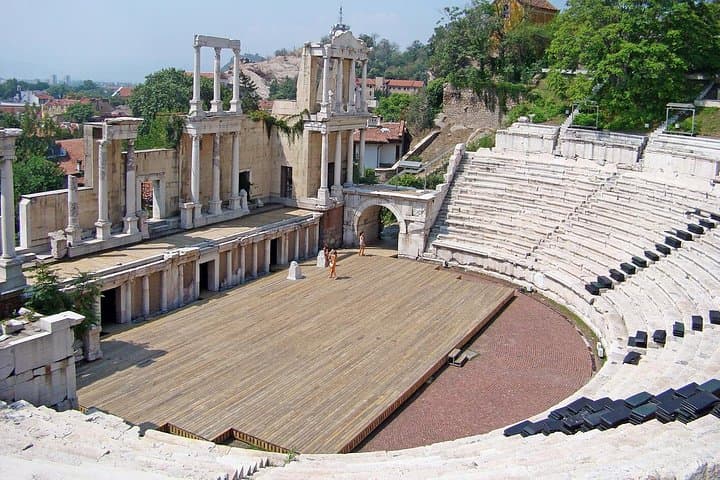
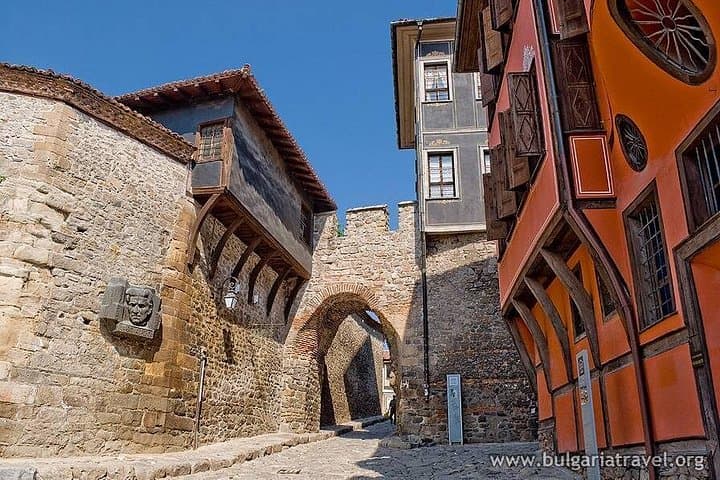
Plovdiv is one of Europe’s oldest continuously inhabited cities, a crossroads of Thracian, Roman and Ottoman layers. The Roman theatre, carved into Nebet Hill in the 1st century AD, still seats crowds beneath a bright Bulgarian sky. Nearby, the Old Town’s Revival-period houses show the wealth and craft of the 18th–19th centuries. A short drive into the Rhodope foothills brings Asen’s Fortress—a medieval stronghold posing over the Asenitsa River, its limestone walls weathered by centuries of wind and sun.
Culturally, Plovdiv balances living neighborhoods—try the creative stalls in Kapana—with solemn sites like small churches and monastery outposts. Geologically, the region’s limestone and marl produce steep ridgelines and pockets of native scrub that catch light and shadow.
Practical guidance: wear sturdy walking shoes for cobbles and uneven steps, bring sun protection and a light layer for windy ridge-top exposure. Respect dress codes at religious sites—knees and shoulders must be covered. Expect roughly nine hours including transport from Sofia and brief times at each stop; carry water and some cash for small shops and entrance fees.
This itinerary suits travelers who want concentrated history and landscape in a single day without intensive hiking—bring curiosity and a readiness to walk at a steady urban-archaeological pace.
moderate.
9 hours.
Suitable for travelers in average fitness; involves repeated walking on uneven cobbles and some short uphill sections
The tour departs from the Serdika meeting point in Sofia (Maria Luiza boulevard) and returns to central Sofia the same day.
Entrance varies by operator and itinerary; this tour’s description lists sightseeing stops with admission not necessarily included—bring cash in case of entry fees.
The tour involves walking on cobbled streets and uneven surfaces; it’s not ideal for visitors with limited mobility—contact the operator for specific accessibility requests.
Knees and shoulders must be covered for both men and women; no shorts or sleeveless tops are allowed inside many churches and monasteries.
Plovdiv dates back to at least 4000 BCE and was named Philipopolis after Philip II of Macedon; layers of Thracian, Roman and Ottoman presence remain visible in its streets.
Stick to marked paths at Asen’s Fortress to protect fragile vegetation; favor refillable water bottles and local vendors to reduce single-use plastics.
V Travel Ltd. operates guided outdoor trips and adventures with an emphasis on safety, stewardship, and memorable experiences.
You step out of the air-conditioned minivan and the hills of Plovdiv rise like a living map—cobbled alleys climbing toward stone houses and a Roman theatre that still holds its voice. The city smells faintly of espresso and wood smoke; the slopes push you forward, offering framed views onto tiled roofs and church domes.
You step out of the air-conditioned minivan and the hills of Plovdiv rise like a living map—cobbled alleys climbing toward stone houses and a Roman theatre that still holds its voice. The city smells faintly of espresso and wood smoke; the slopes push you forward, offering framed views onto tiled roofs and church domes.
Plovdiv is one of Europe’s oldest continuously inhabited cities, a crossroads of Thracian, Roman and Ottoman layers. The Roman theatre, carved into Nebet Hill in the 1st century AD, still seats crowds beneath a bright Bulgarian sky. Nearby, the Old Town’s Revival-period houses show the wealth and craft of the 18th–19th centuries. A short drive into the Rhodope foothills brings Asen’s Fortress—a medieval stronghold posing over the Asenitsa River, its limestone walls weathered by centuries of wind and sun.
Culturally, Plovdiv balances living neighborhoods—try the creative stalls in Kapana—with solemn sites like small churches and monastery outposts. Geologically, the region’s limestone and marl produce steep ridgelines and pockets of native scrub that catch light and shadow.
Practical guidance: wear sturdy walking shoes for cobbles and uneven steps, bring sun protection and a light layer for windy ridge-top exposure. Respect dress codes at religious sites—knees and shoulders must be covered. Expect roughly nine hours including transport from Sofia and brief times at each stop; carry water and some cash for small shops and entrance fees.
This itinerary suits travelers who want concentrated history and landscape in a single day without intensive hiking—bring curiosity and a readiness to walk at a steady urban-archaeological pace.